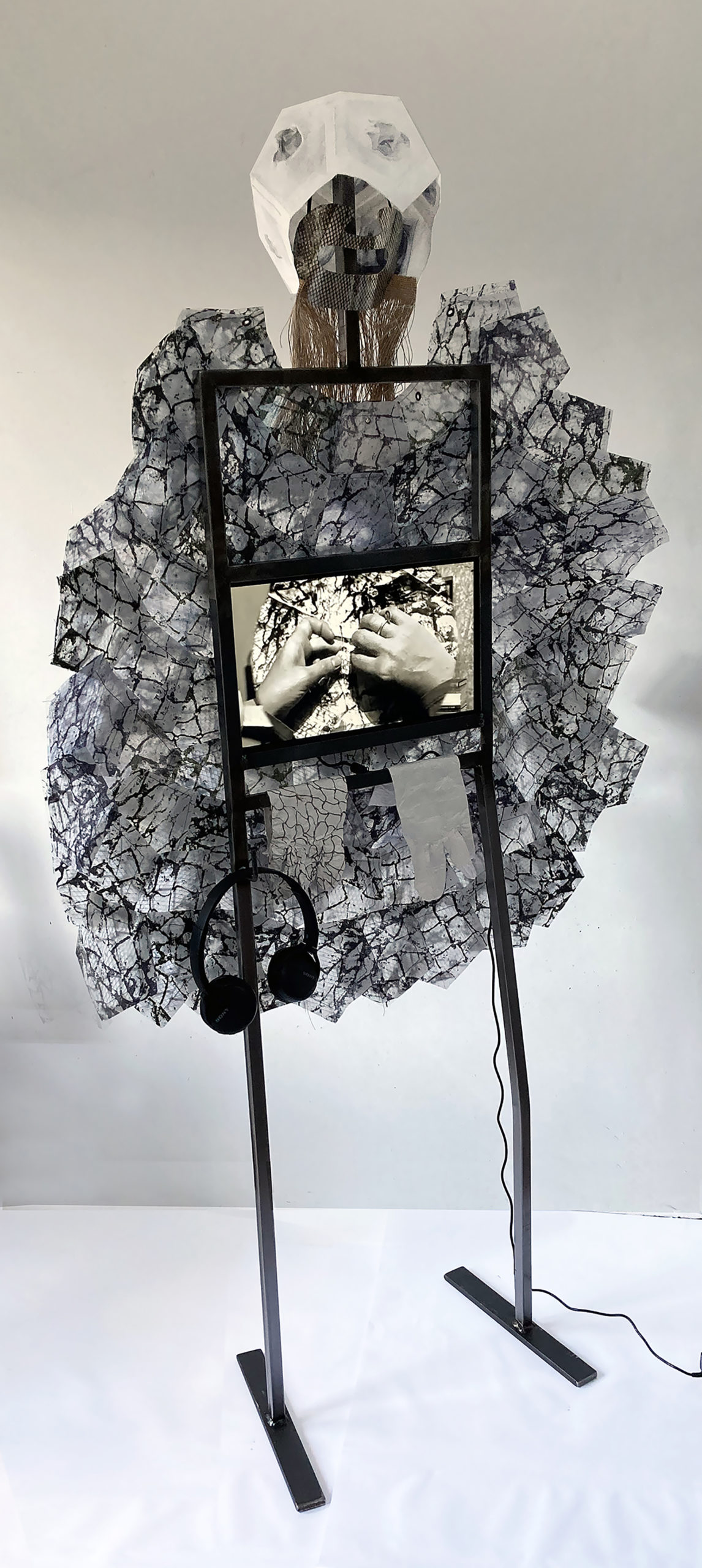
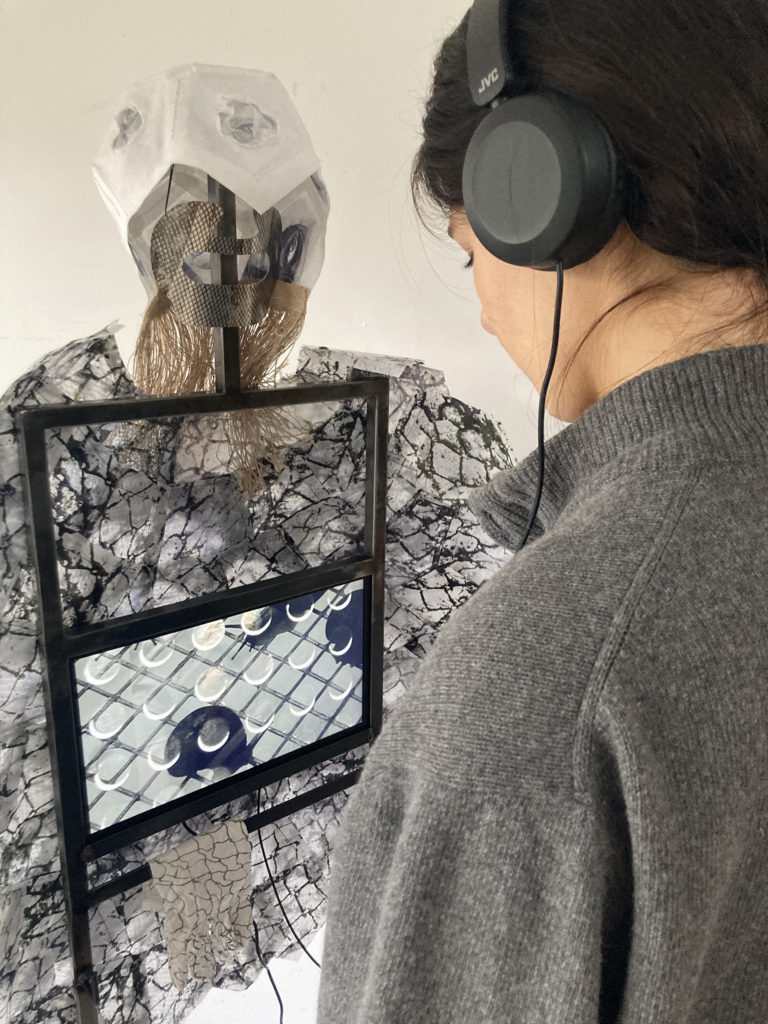
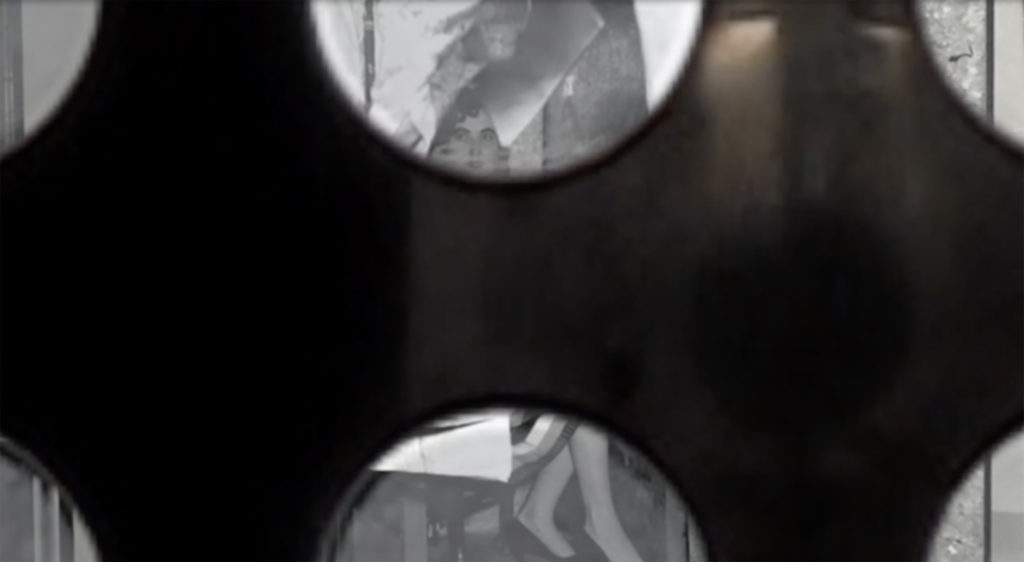
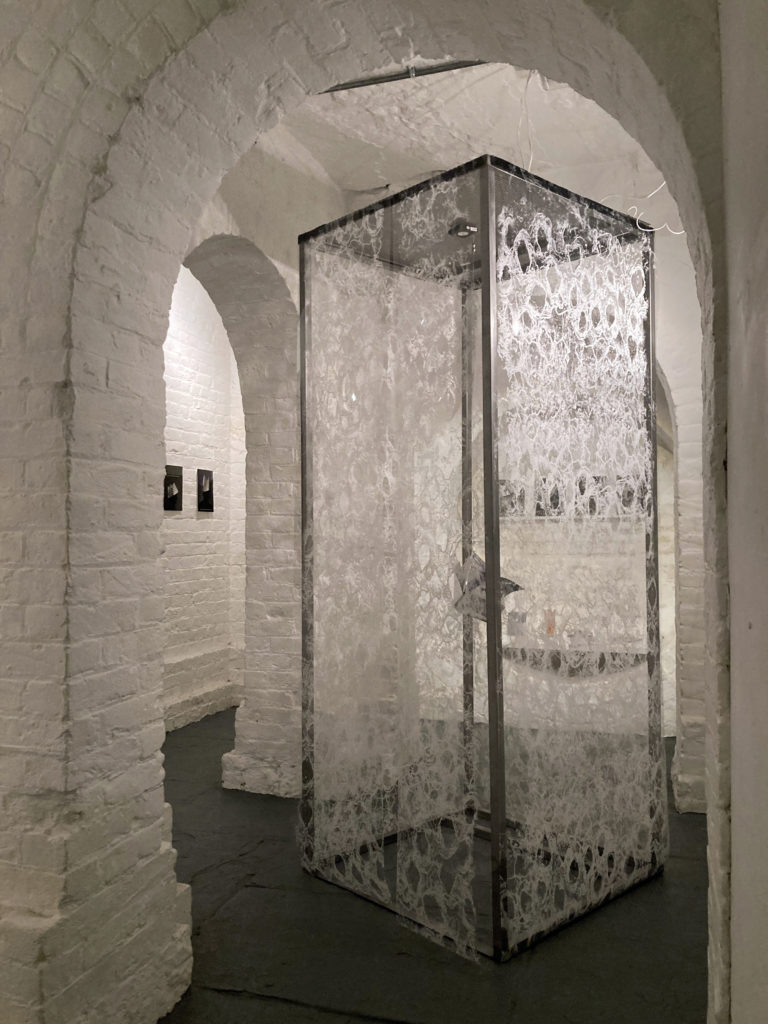
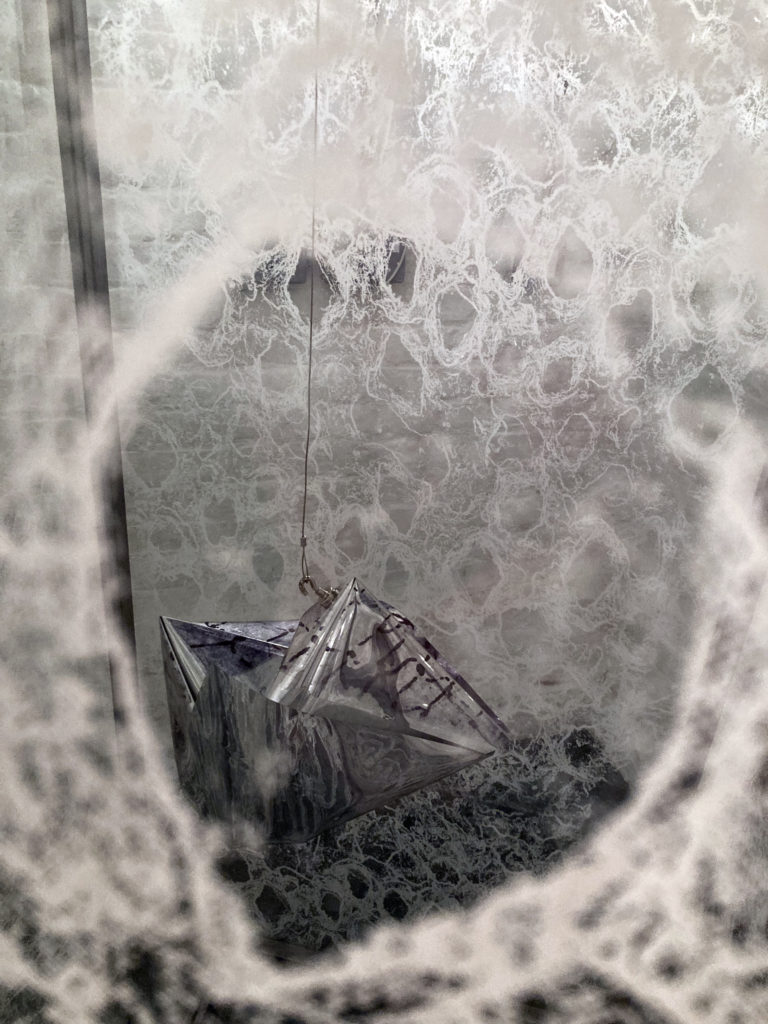
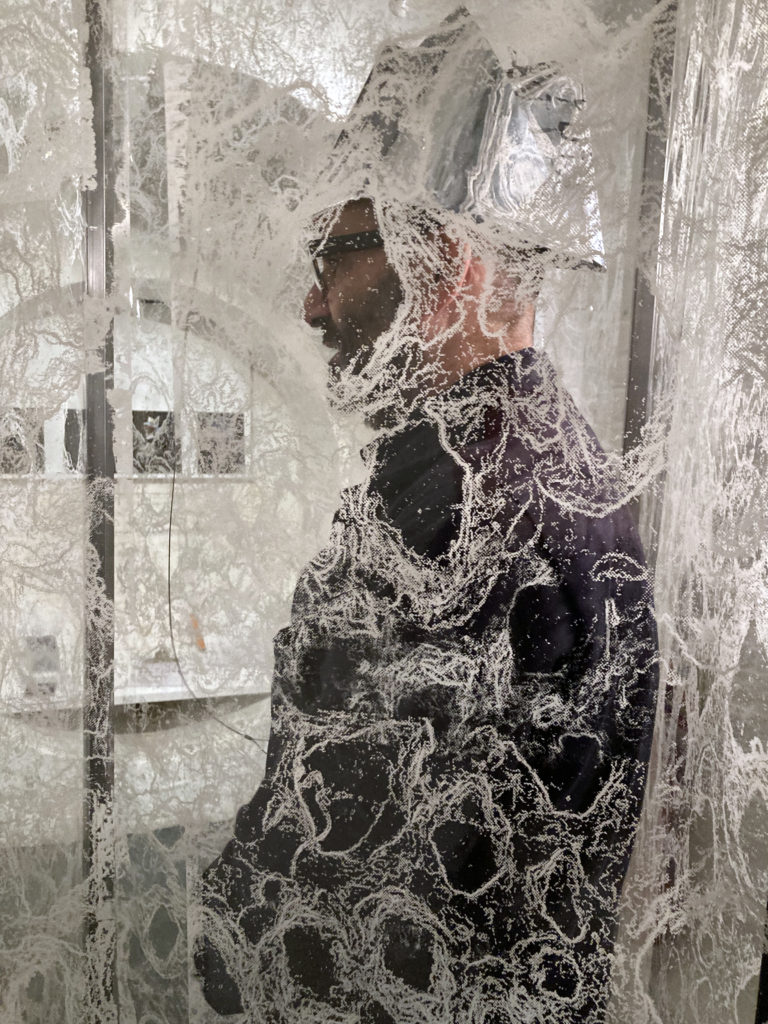
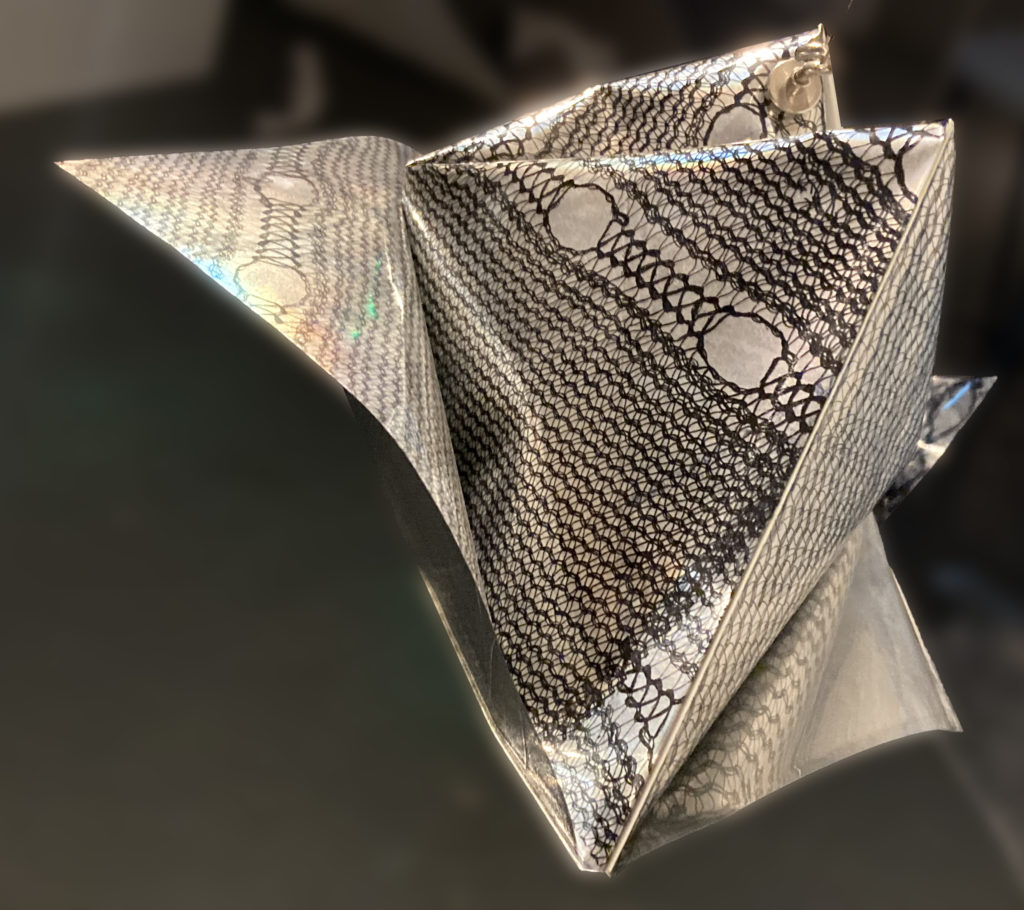
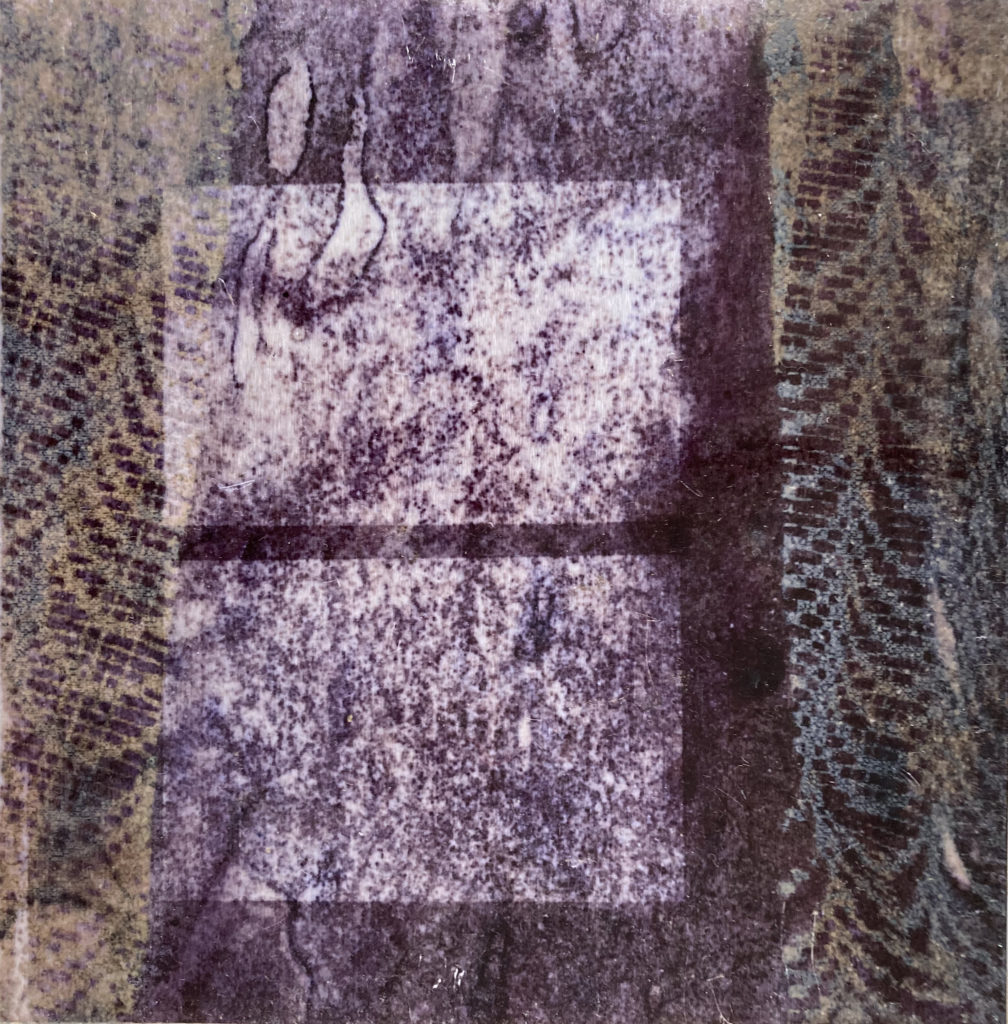
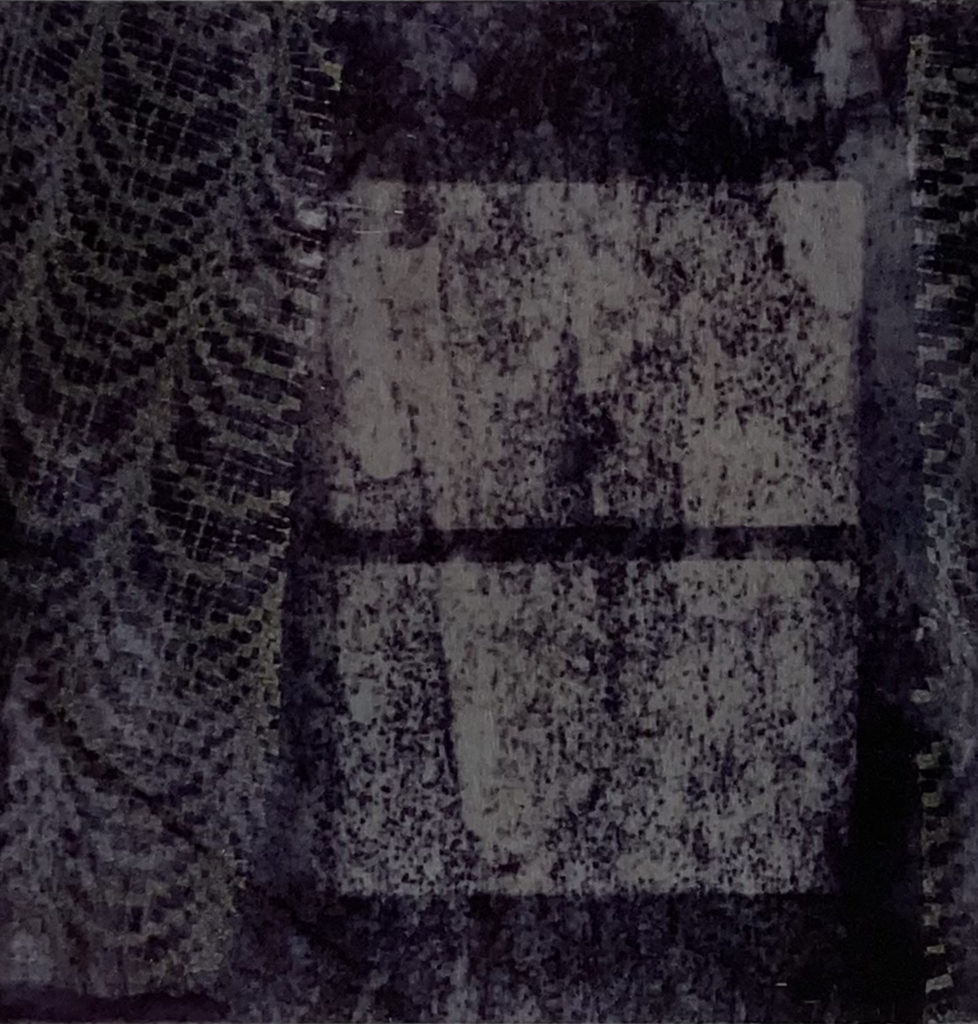
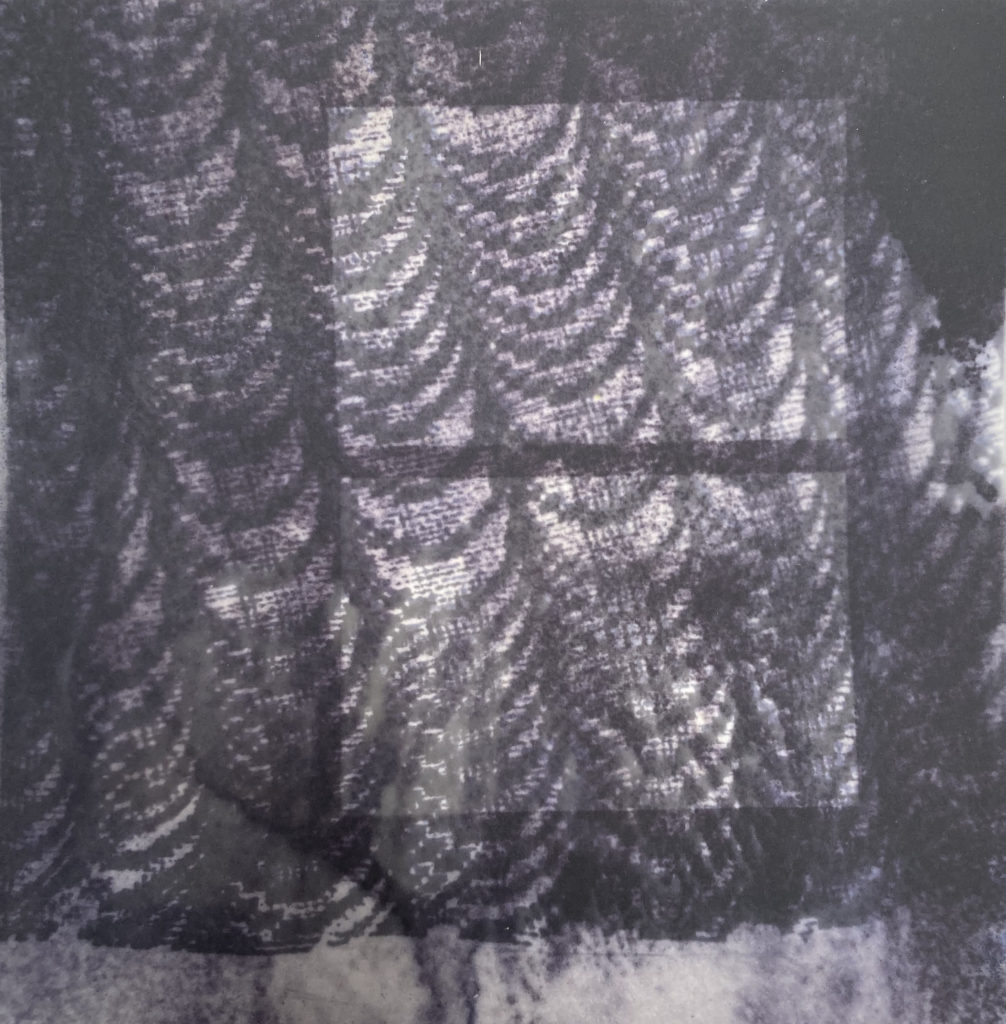
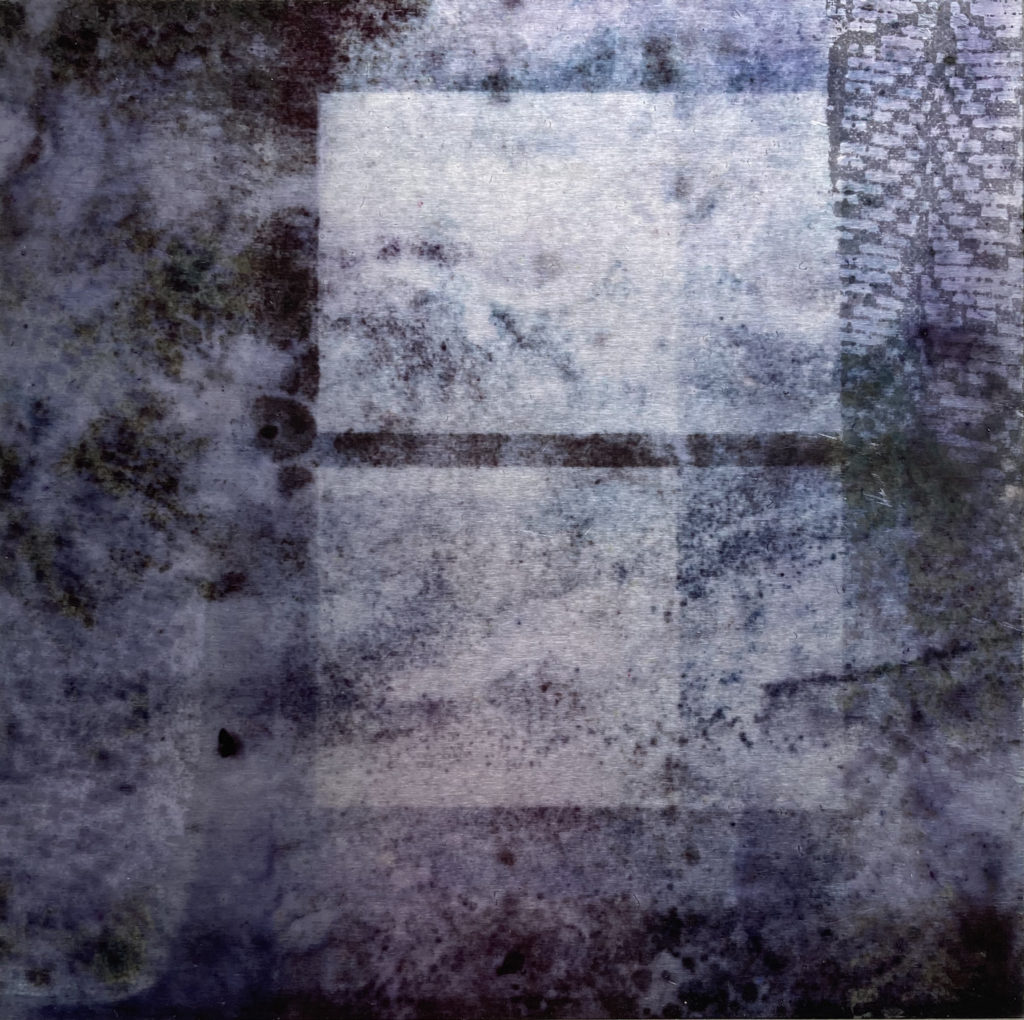
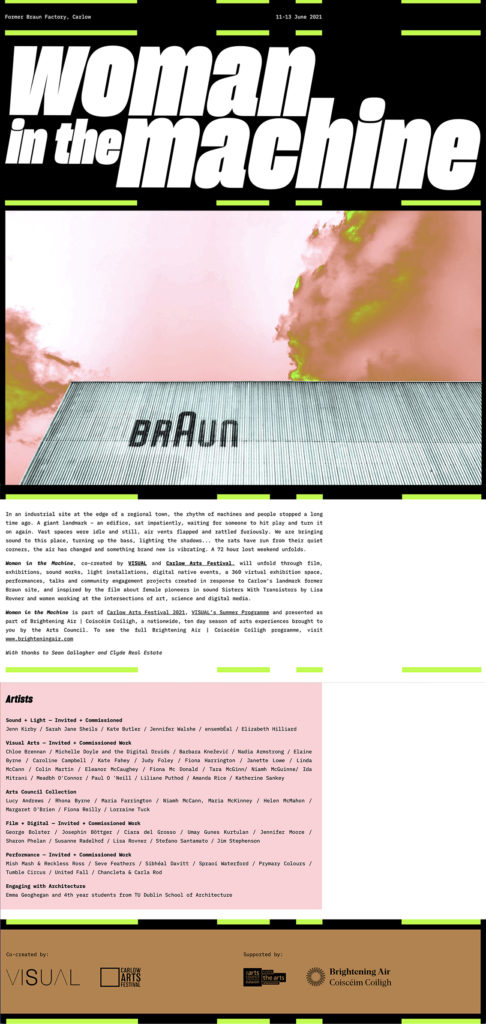
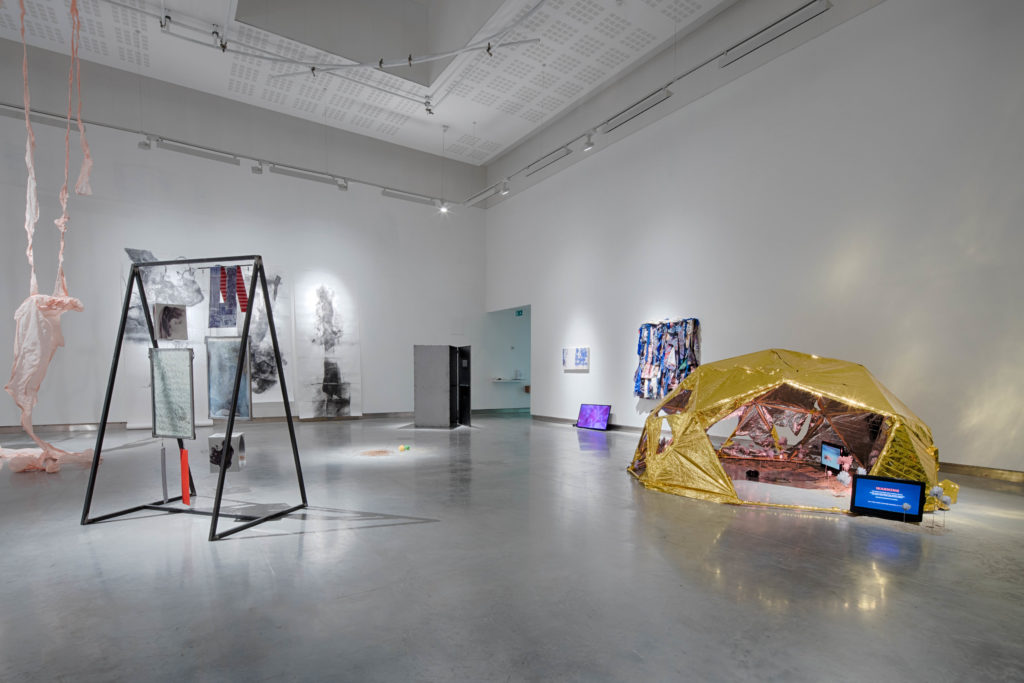
The installation consists of Shell of Mucus, a collection of four costume pieces (Cap of Insight; Mouthpiece of Flux, Mantle of Quietude and Gauntlet of Chance) and a 3:58 minute colour digital film titled Secretion.
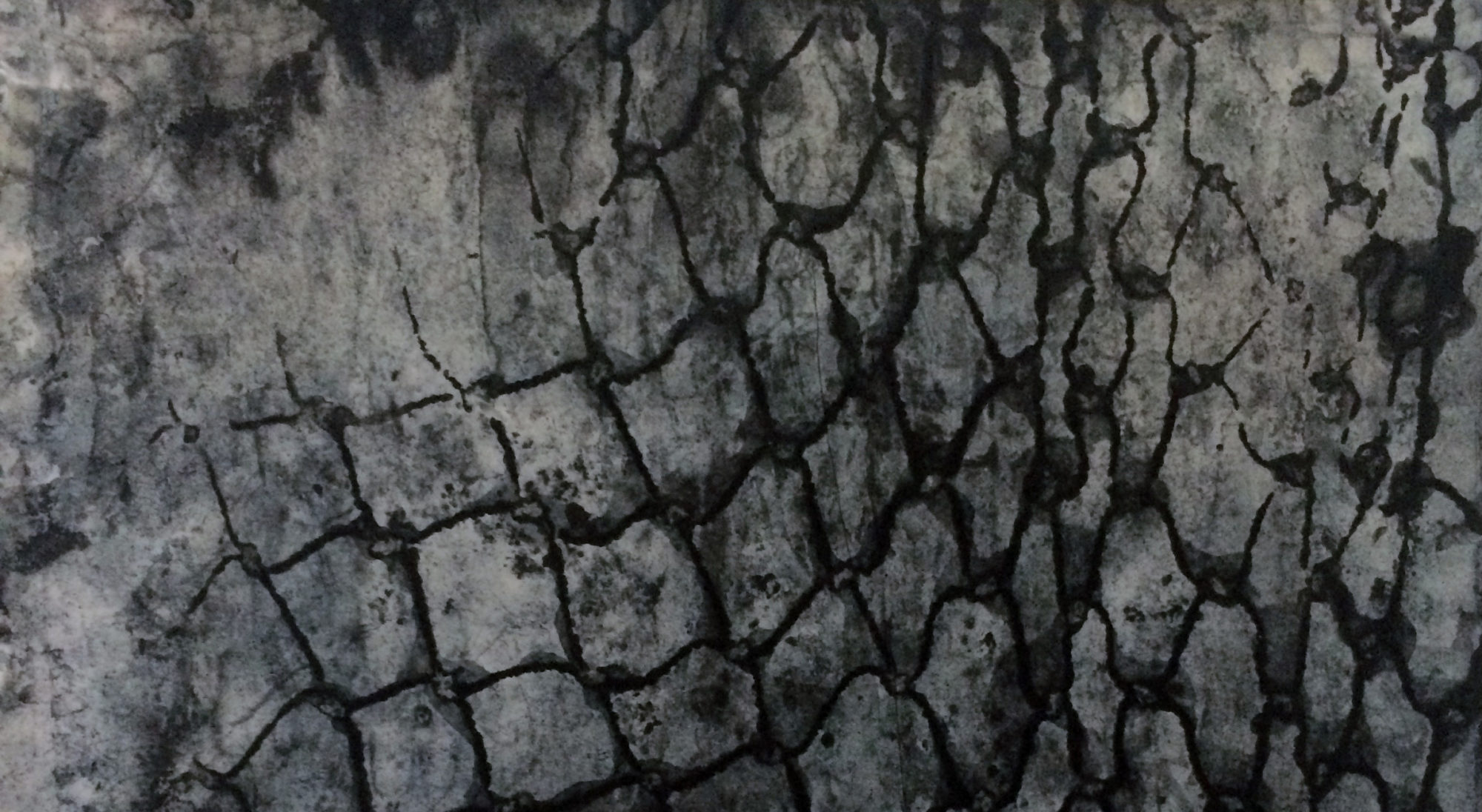
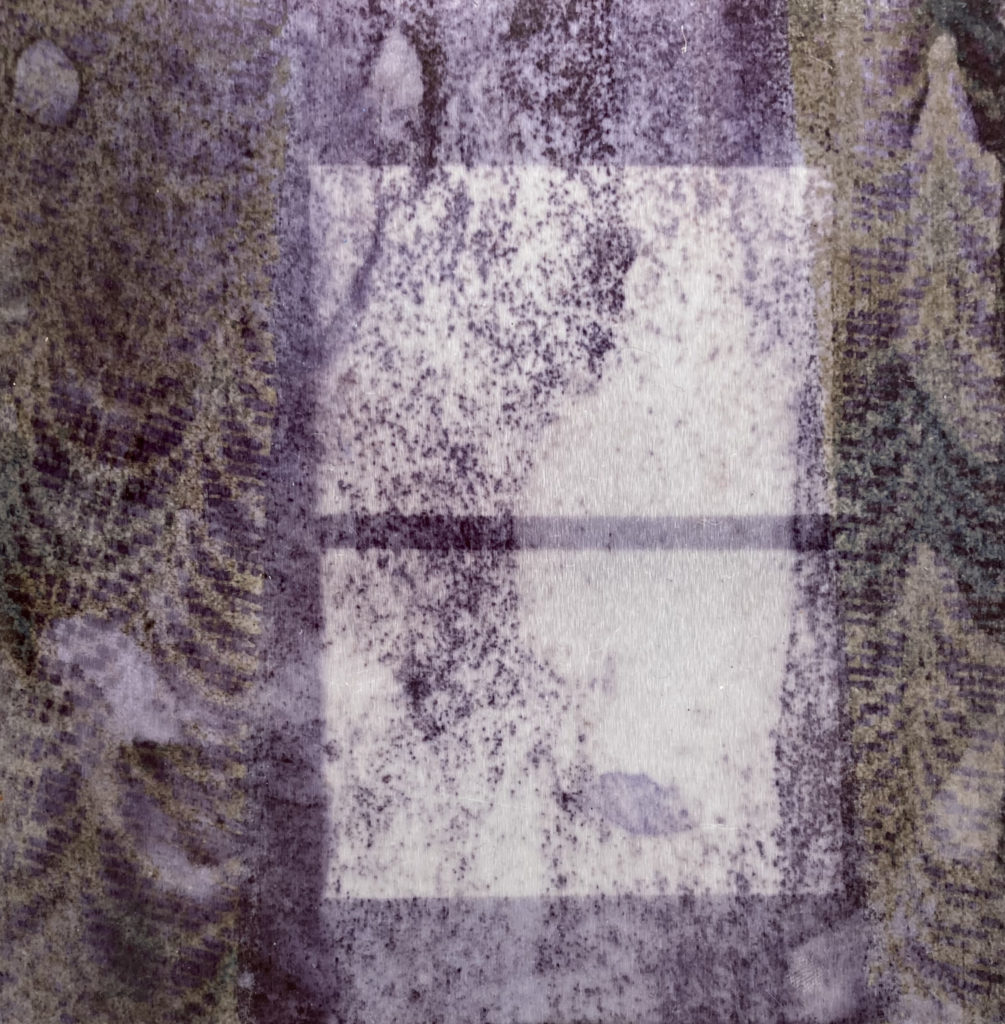
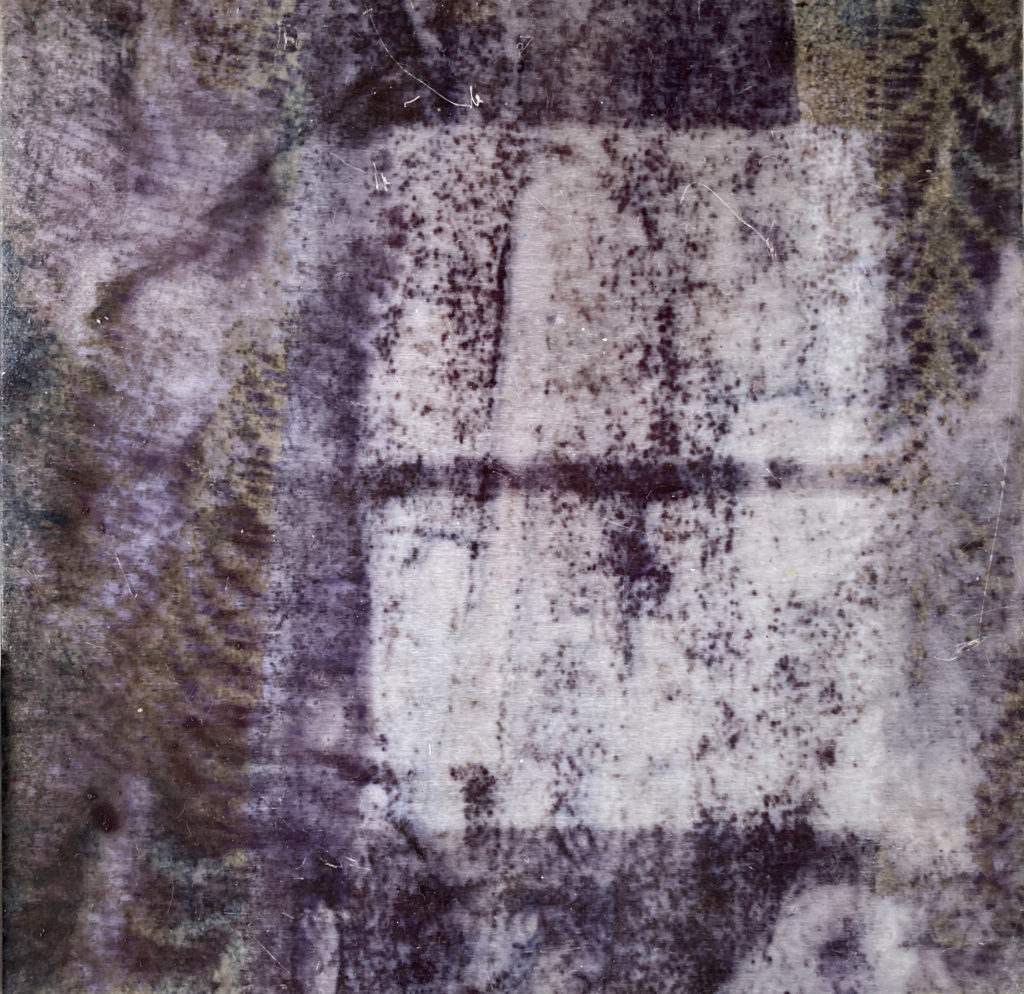
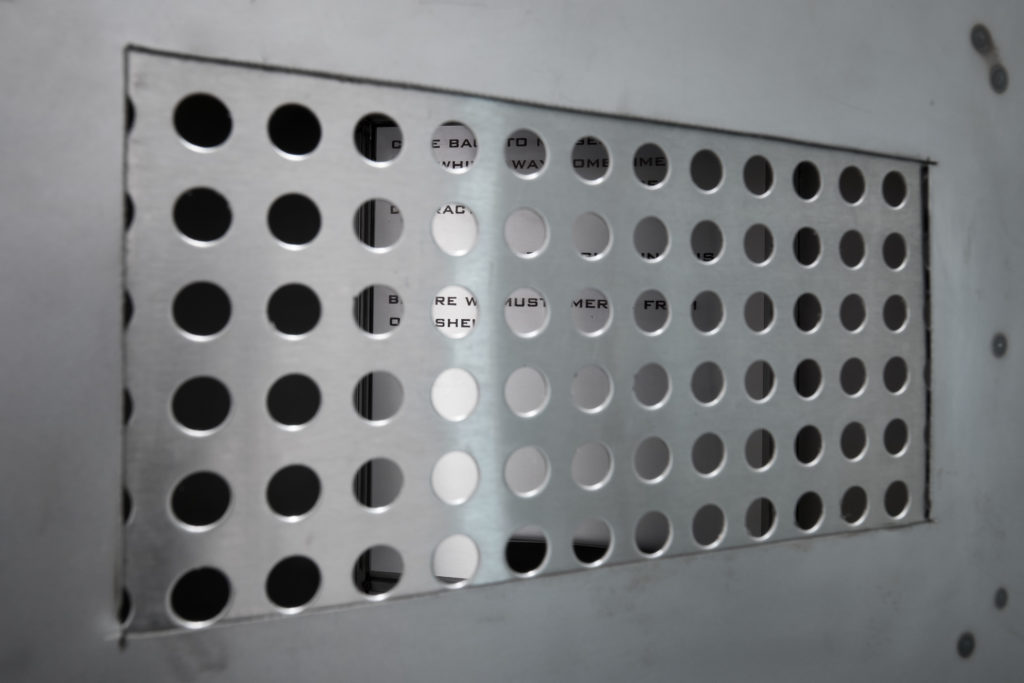
The hand sewn costume pieces are wearables and comprise screen and transfer printed textile and metal including touch/heat sensitive components, aluminium mesh, acetate and etchings on paper.
Cap of Insight, 20 x 20 x 50cm, hand-stitched textiles, etching on paper and acetate.
Mouthpiece of Flux, 10 x 18cm, printed textile and aluminium.
Mantle of Quietude, 85 x 90cm, printed textile/film and wire mesh.
Gauntlet of Chance, 18 x 15cm, hand-stitched Tyvek printed with heat sensitive ink.
Inspired by the self-healing capability of snails, the installation suggests an activated experience in which I present an invitation to participate – either physically or imaginatively.
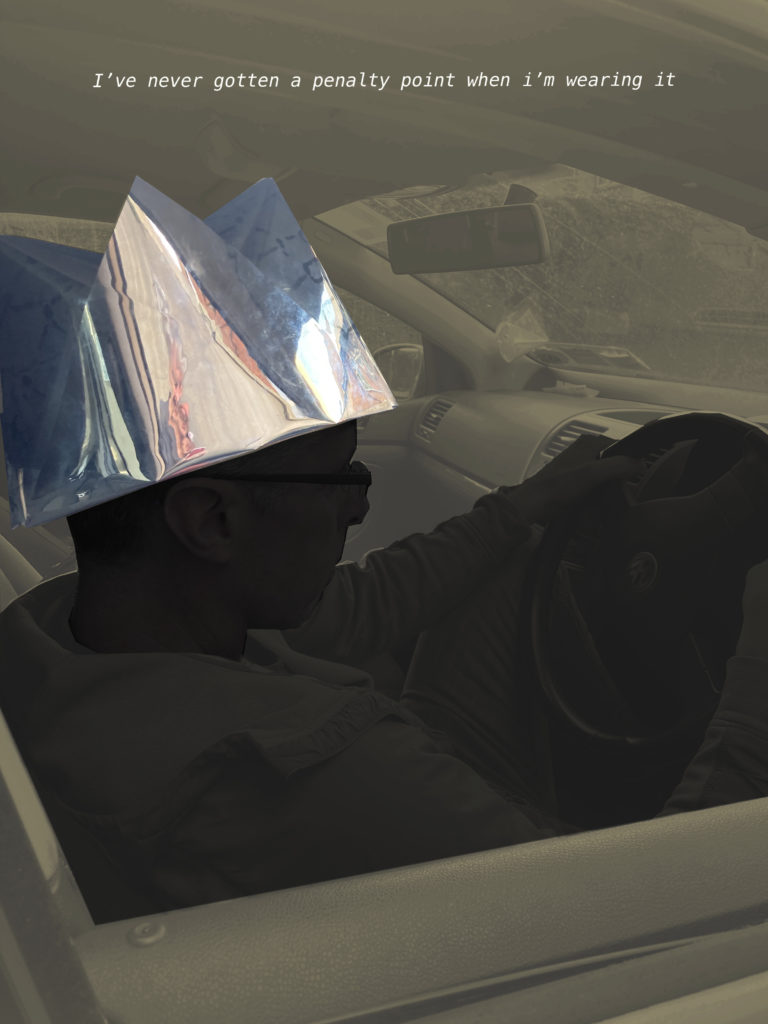
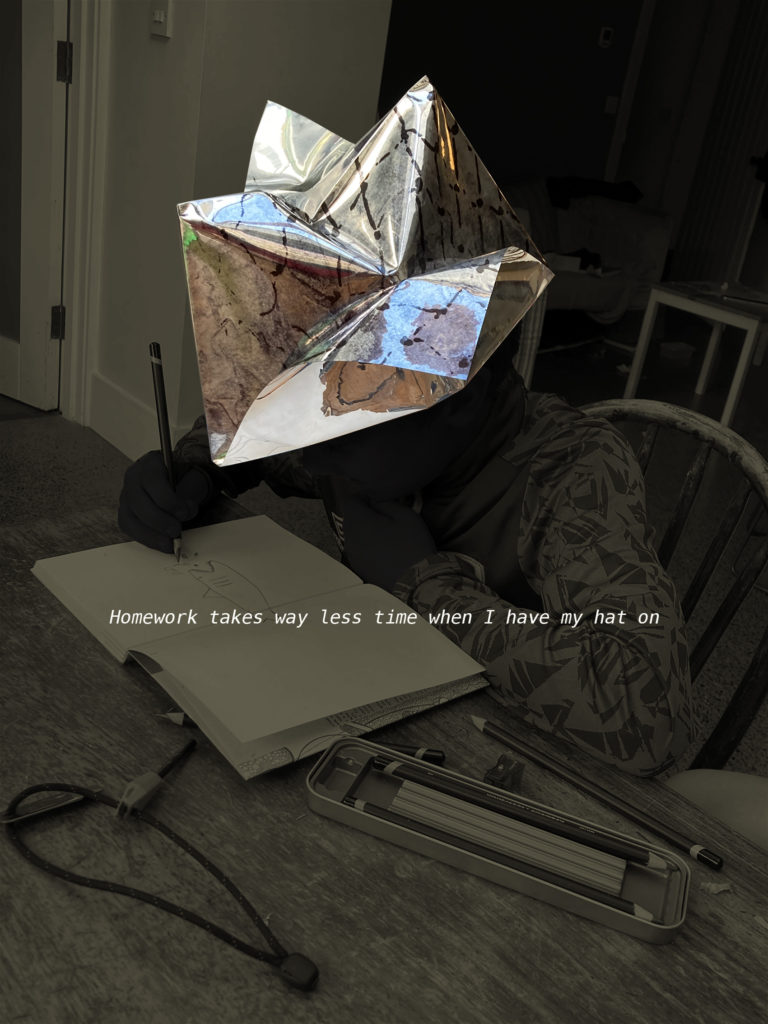
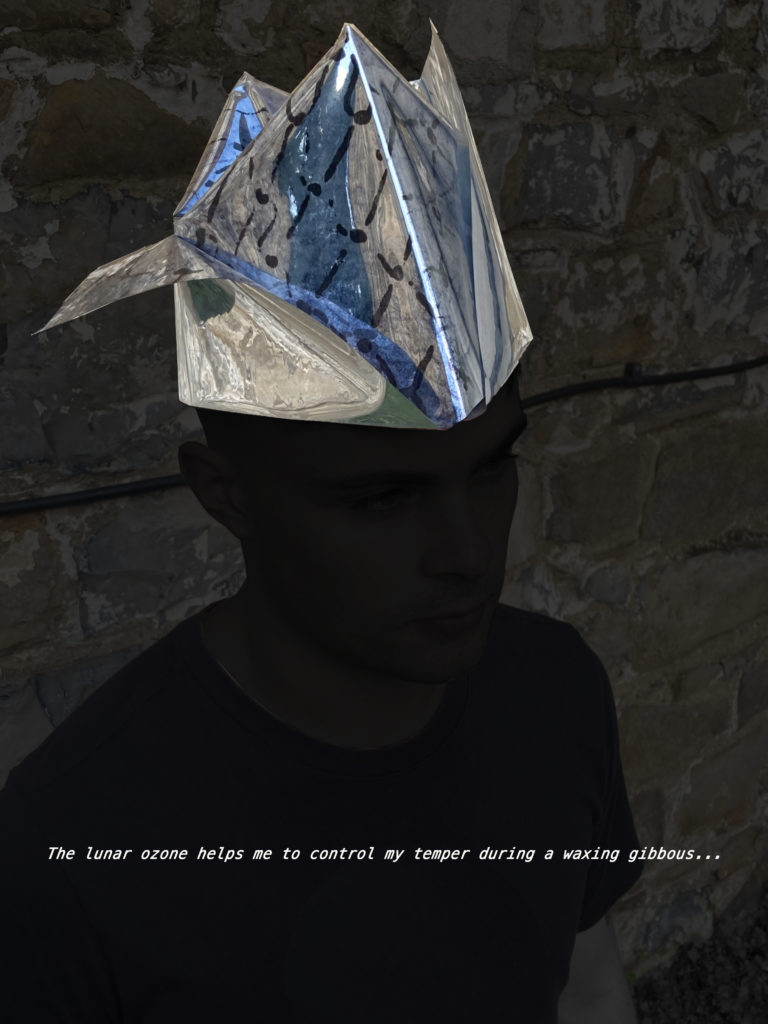
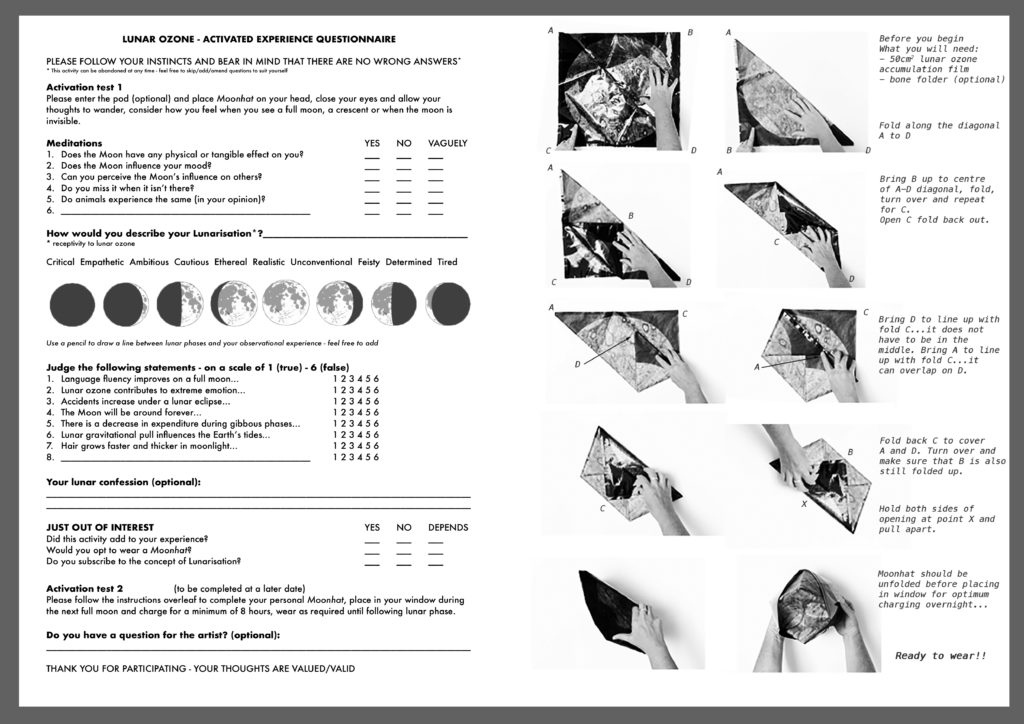
This interactive/wearable work looks at our interactions with the moon, in particular myth versus fact regarding its influence over our day to day existence. The premise involves harvesting lunar ozone – by charging a receptive foil headpiece at night for wear during the day. It connects with a theory of ambient biological energy, a concept dating from the 1950s and prevalent to this day.
[Hu]manned Mission
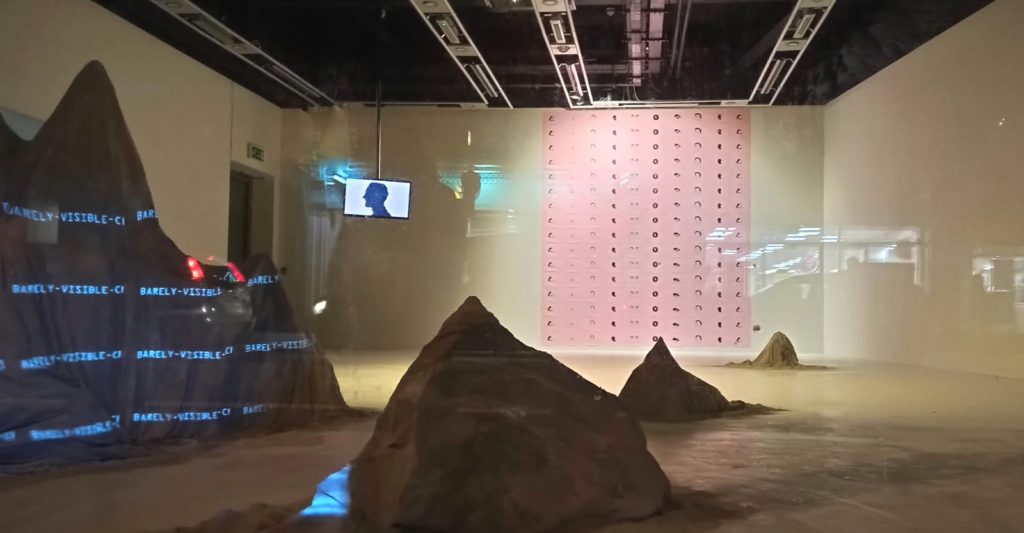
The moon is a distant object, gazed upon by more humans than any other solid object in the universe (Morton, 2019), yet its surface has only been walked on by 12 white American men. The only people to have experienced it first-hand. However, does that make the rest of our knowledge less valid?
[Hu]Manned Mission is a pseudoscientific exploration into humans’ interactions with the moon. An appraisal of lunar myths and missions, combining fact with fiction to create new narratives. It offers an invitation to reconnect and communicate with your moon, to consider the importance of language in your quest, because … it matters what stories we tell to tell other stories with; it matters what knots knot knots, what thoughts think thoughts, what descriptions describe descriptions, what ties tie ties. It matters what stories make worlds, what worlds make stories (Haraway, 2016).
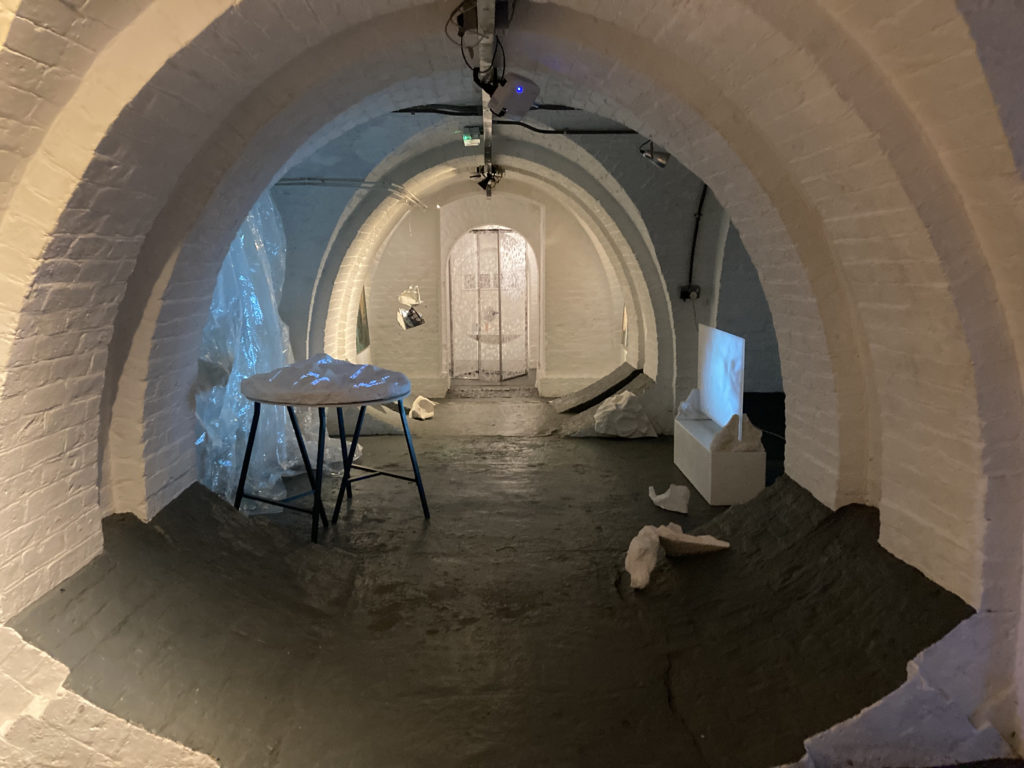
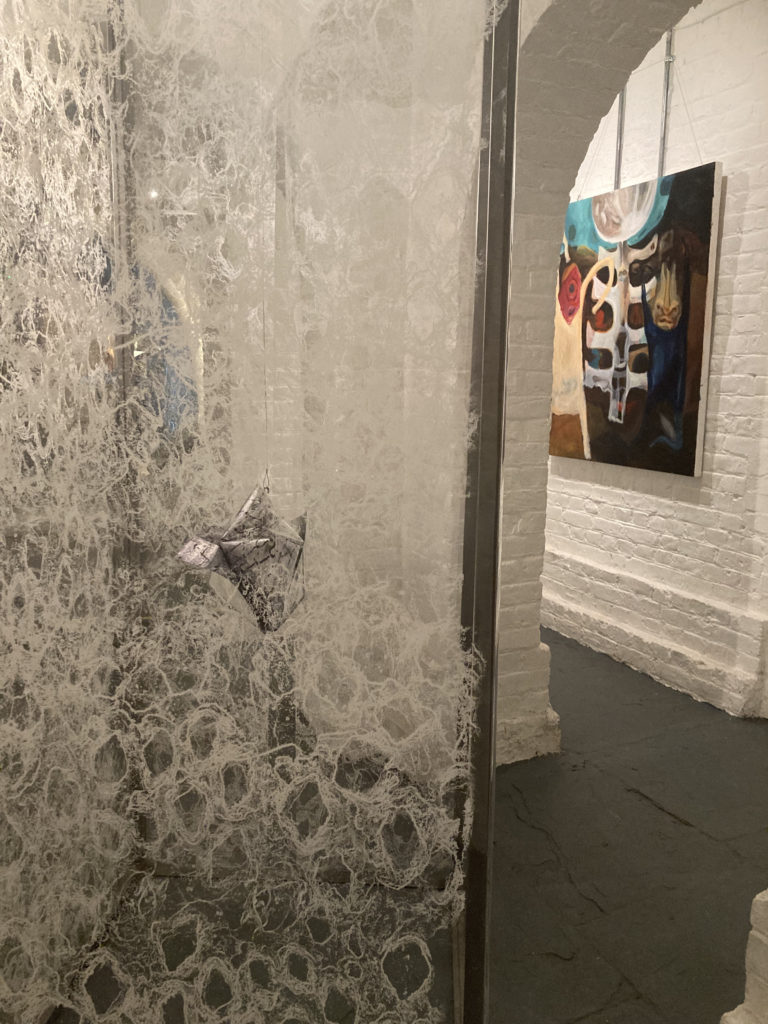
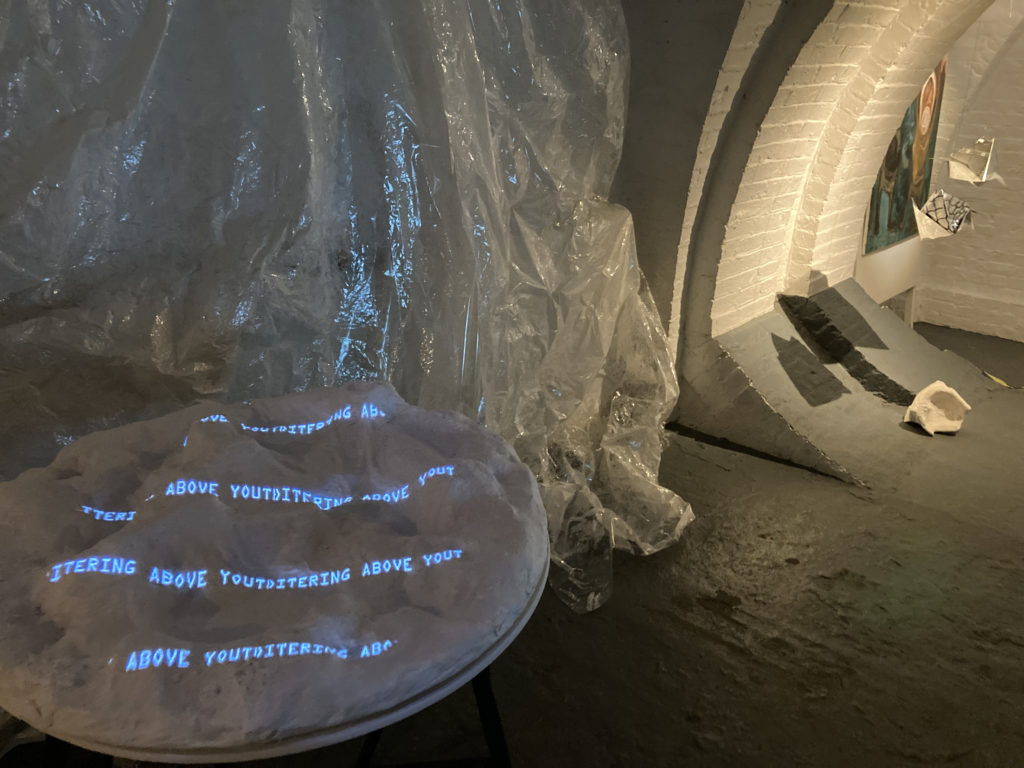
[Hu]manned Mission installation shots: Sarah Edmondson, Mary Martin and Niamh McGuinne
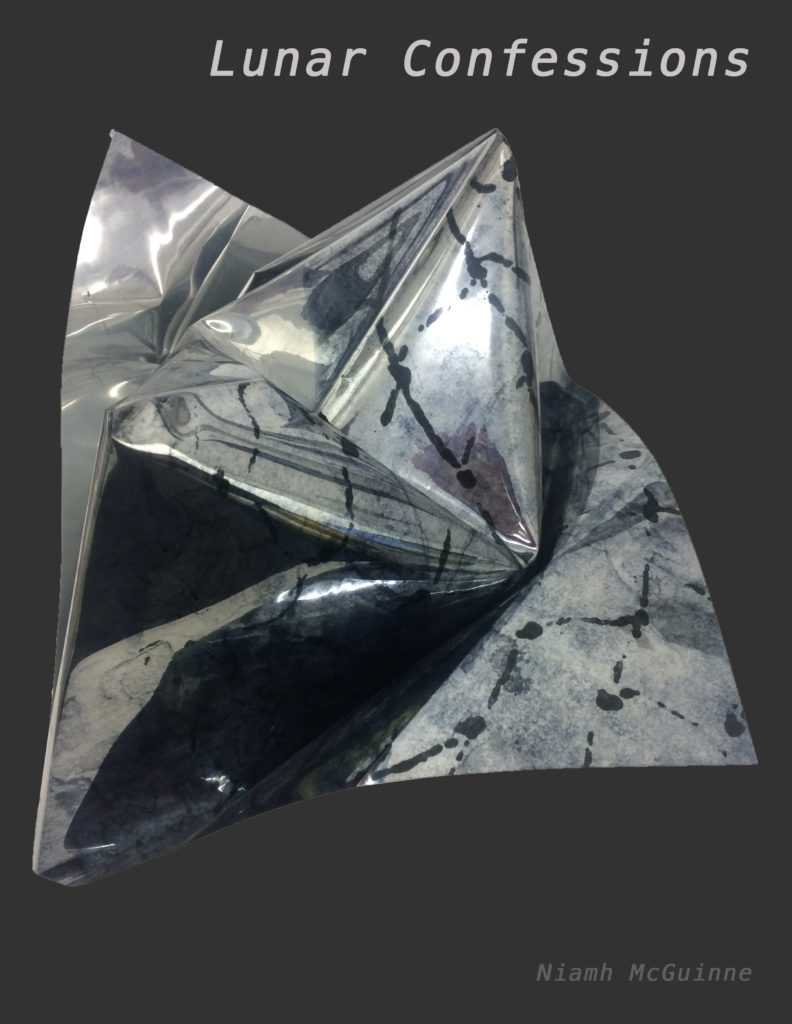
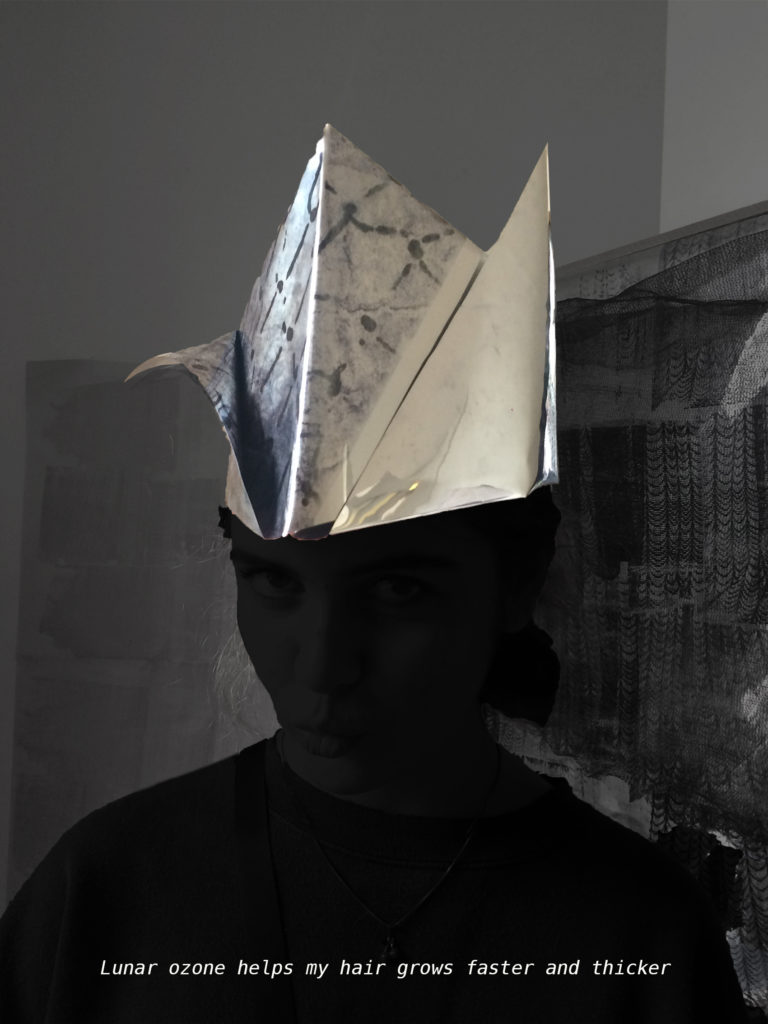
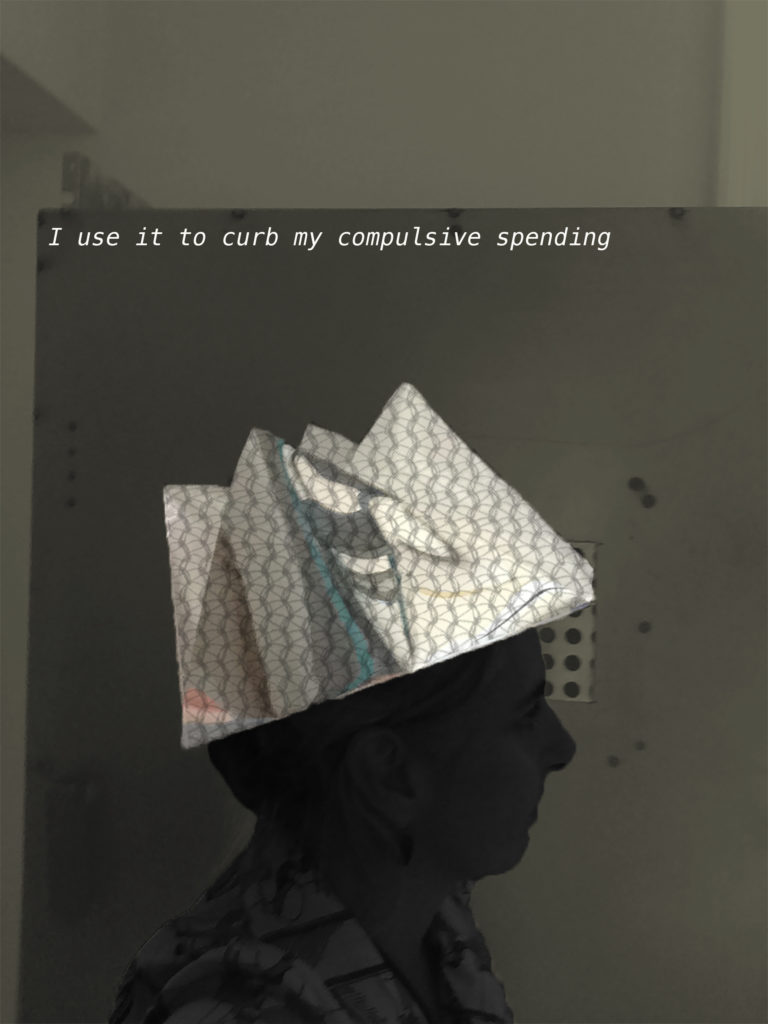
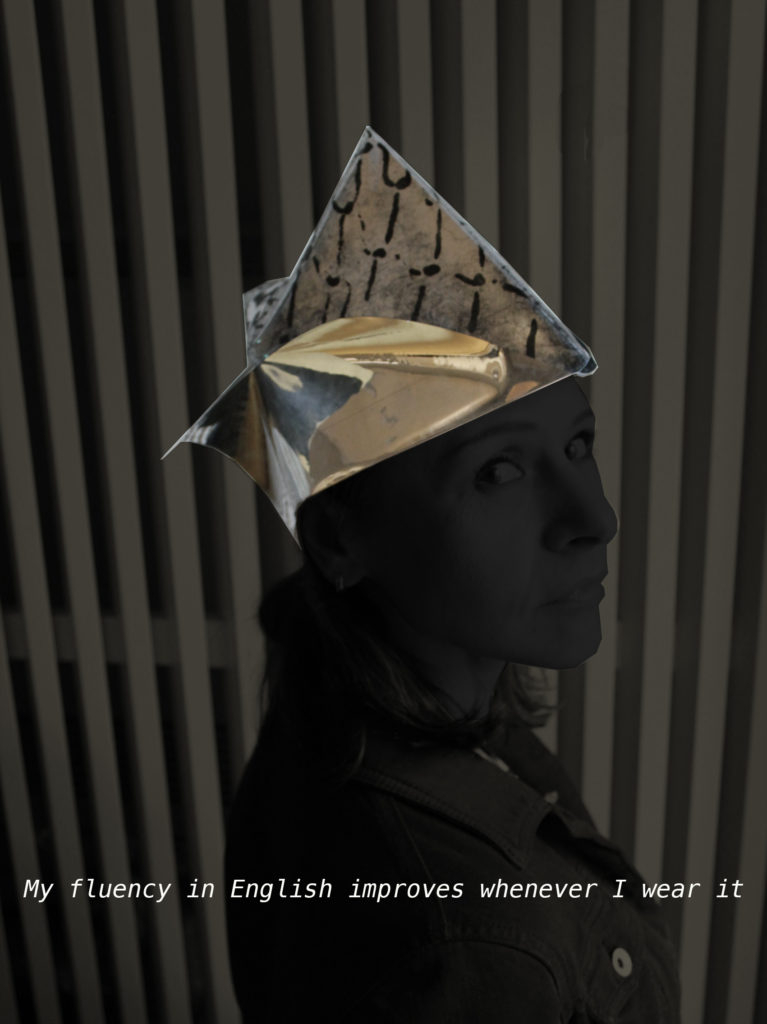
Lunar Confessions
A series of prints incorporating elements associated with undercover investigation; an anonymity of monochromatic silhouettes accompanied with dramatic/implausible testimonials are presented alongside a moon-pod and wearable moon-hat to encourage audience involvement with the objective to collect observations, confessions and elicit an imaginative response.
These observations/comments will be recorded in person by the research team.
Shot on location at VISUAL, Carlow as part of Woman in the Machine 2021 Installation by Niamh McGuinne, filmed and edited by Cathy Dunne, camera assist by Fatima Hawala.
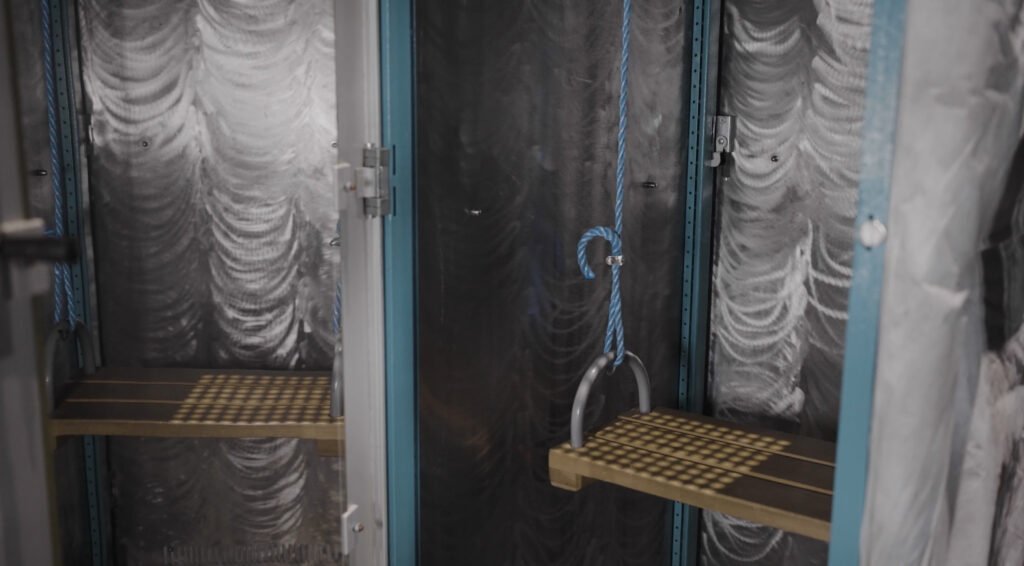
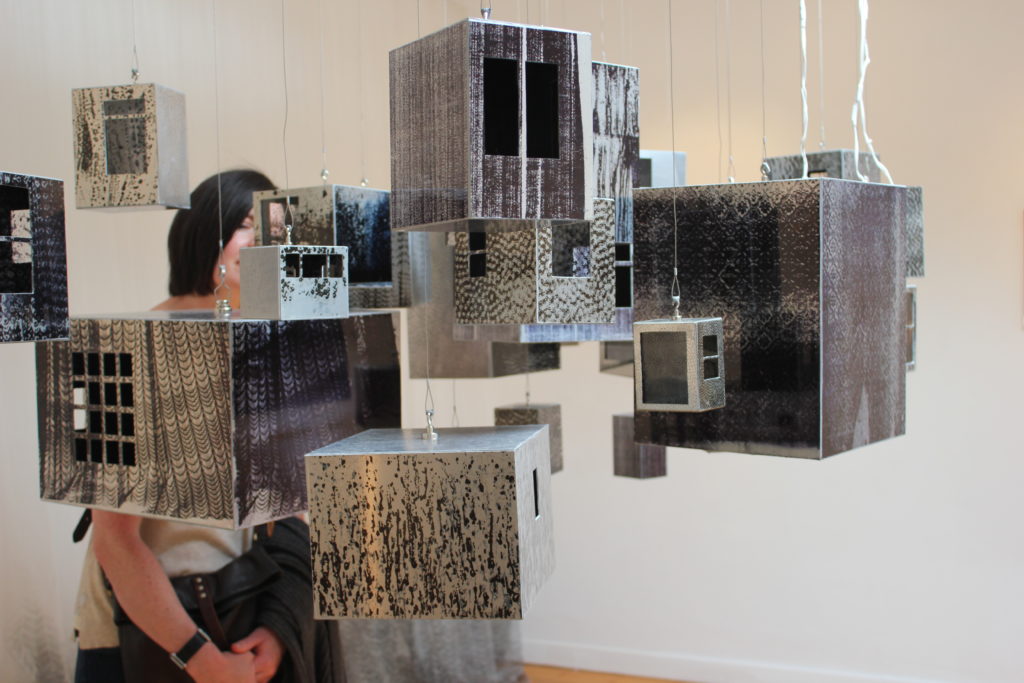
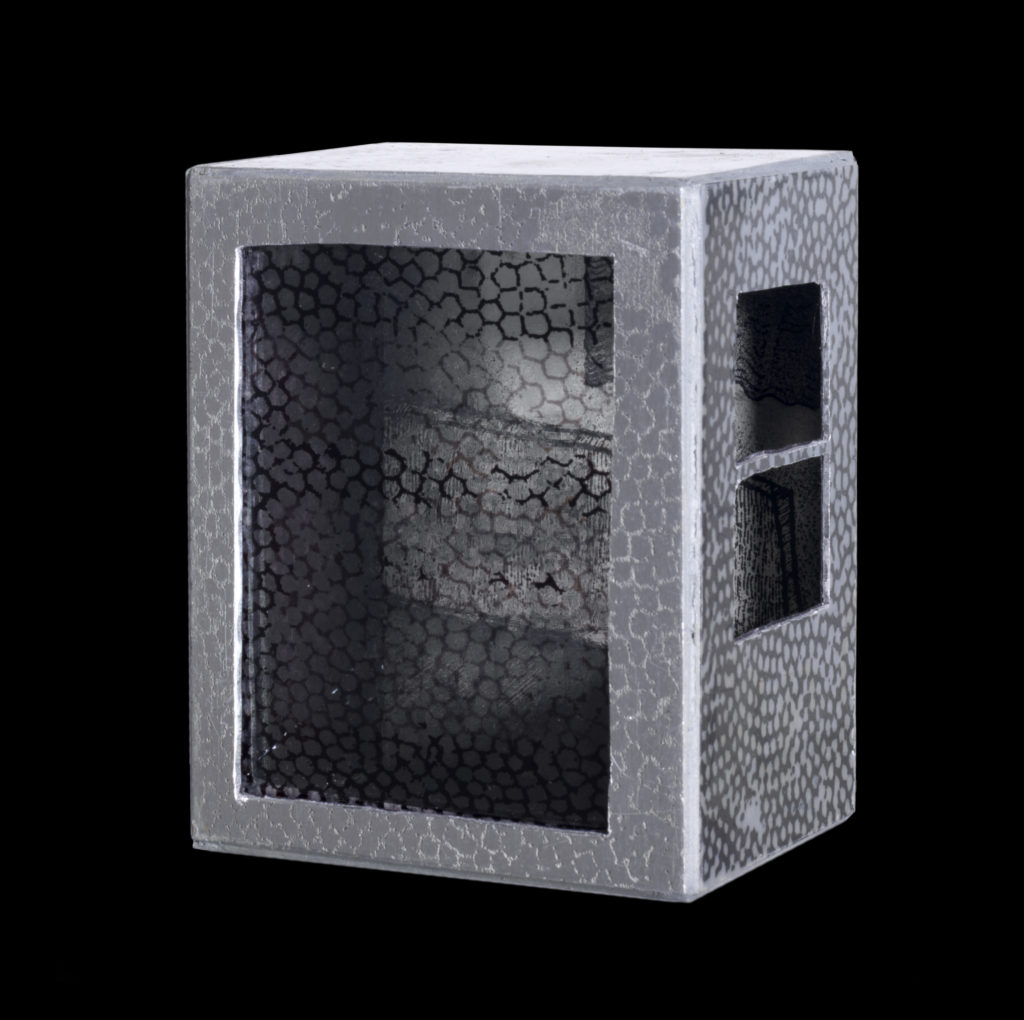
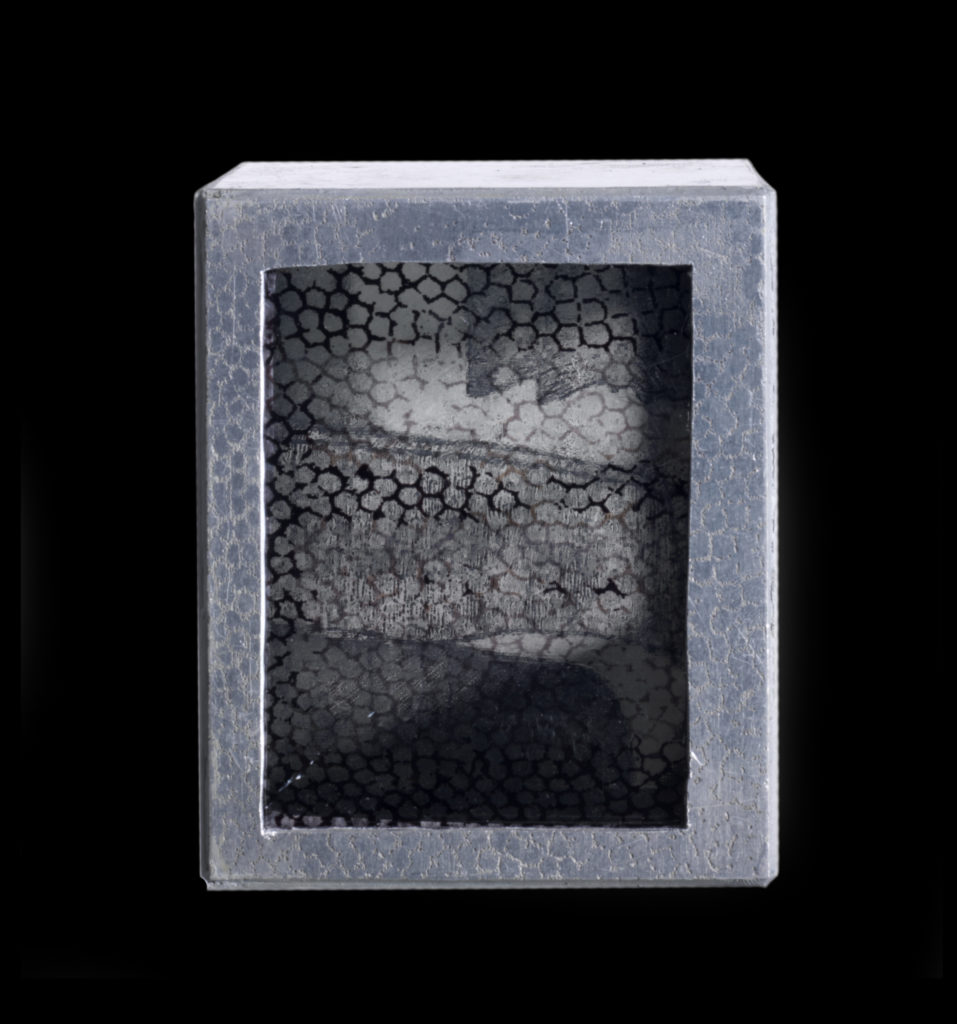
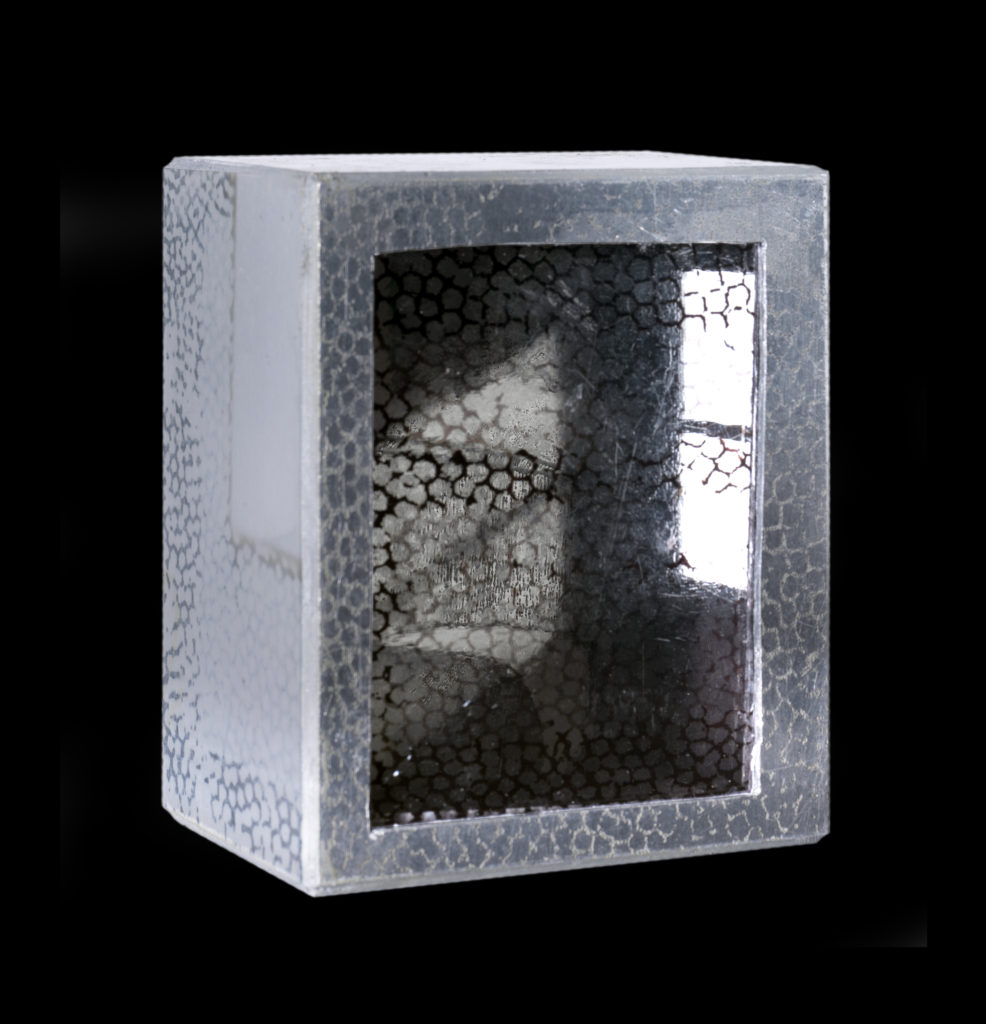
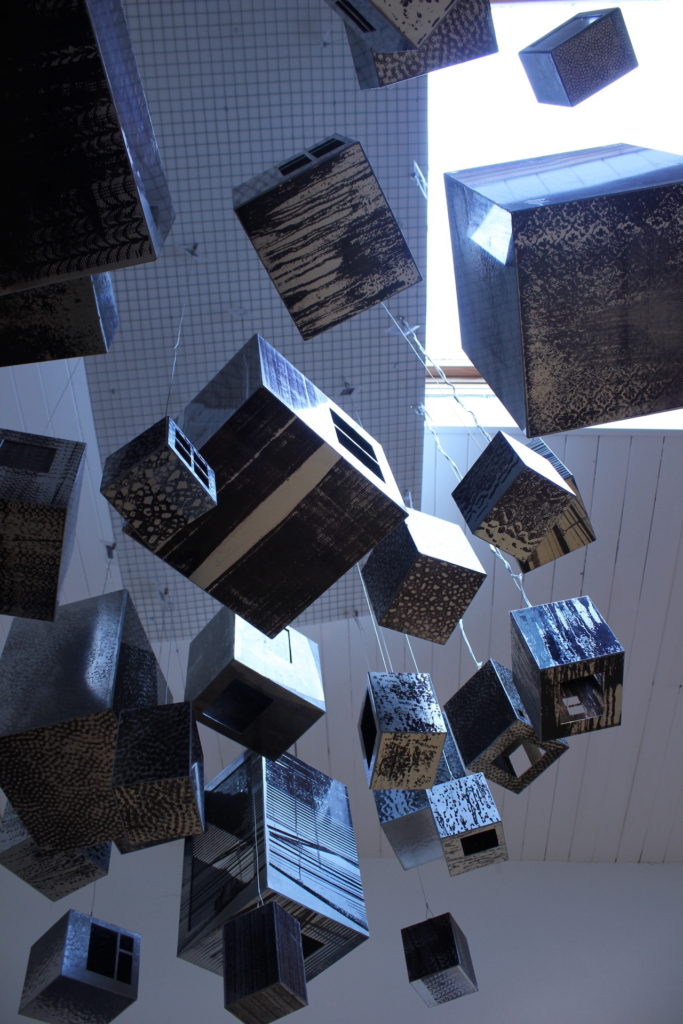
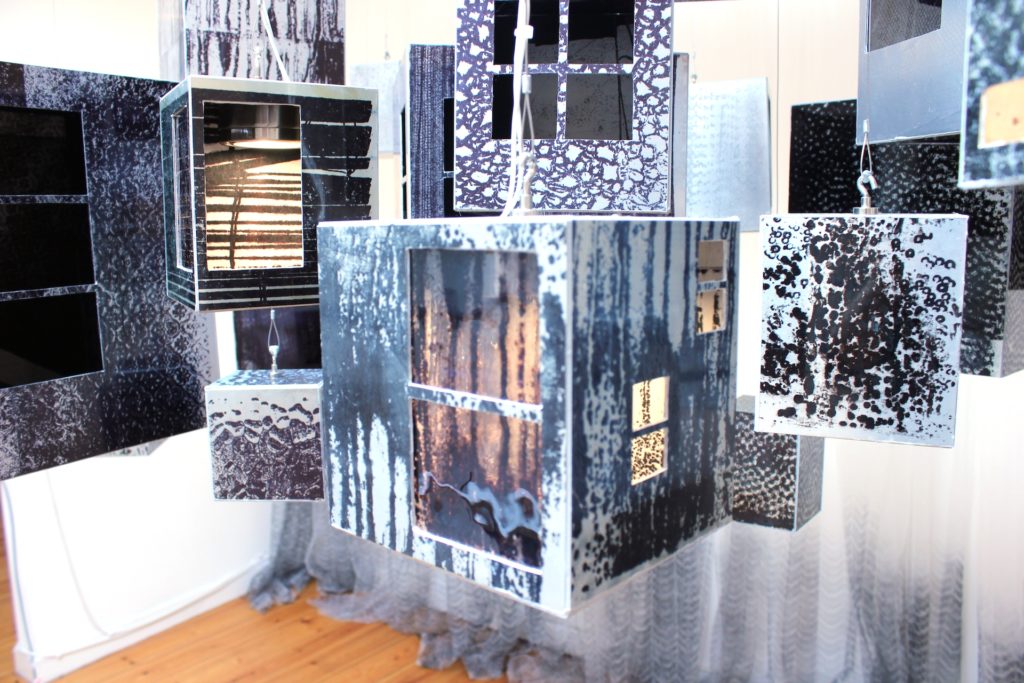
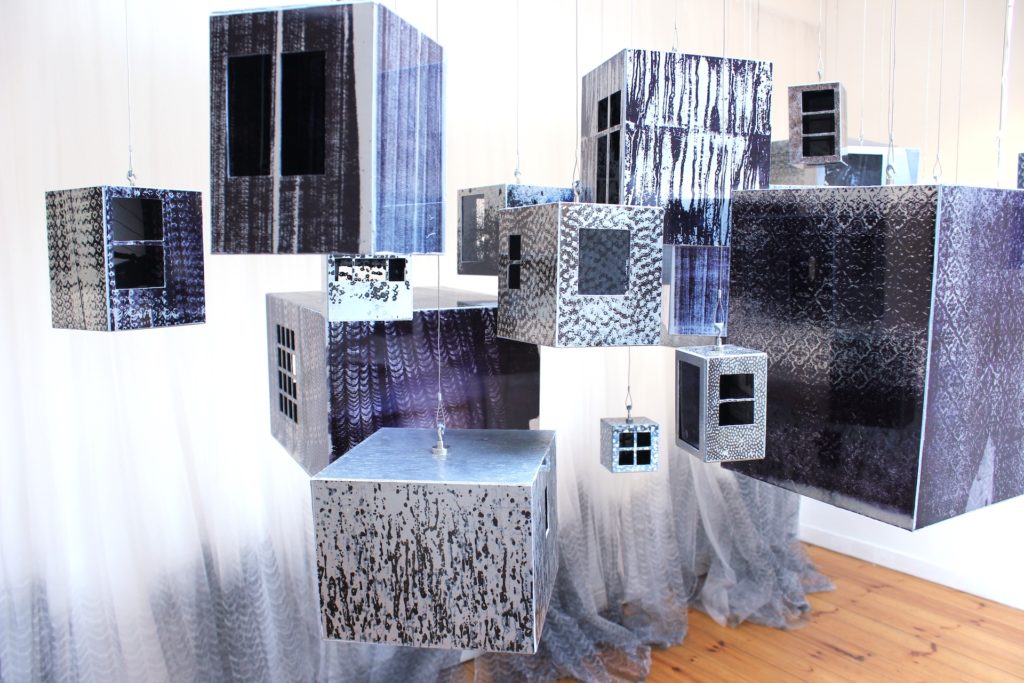
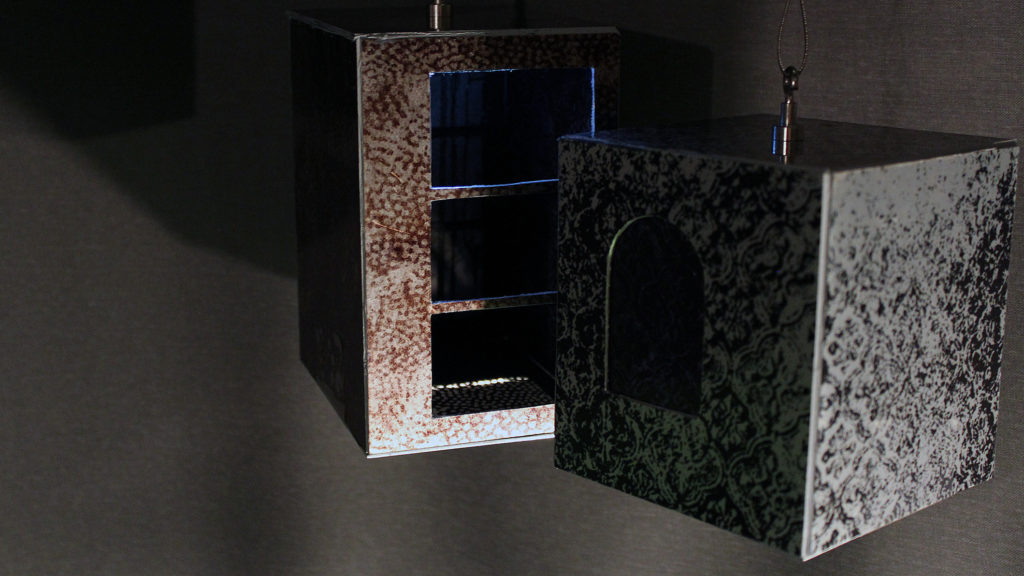
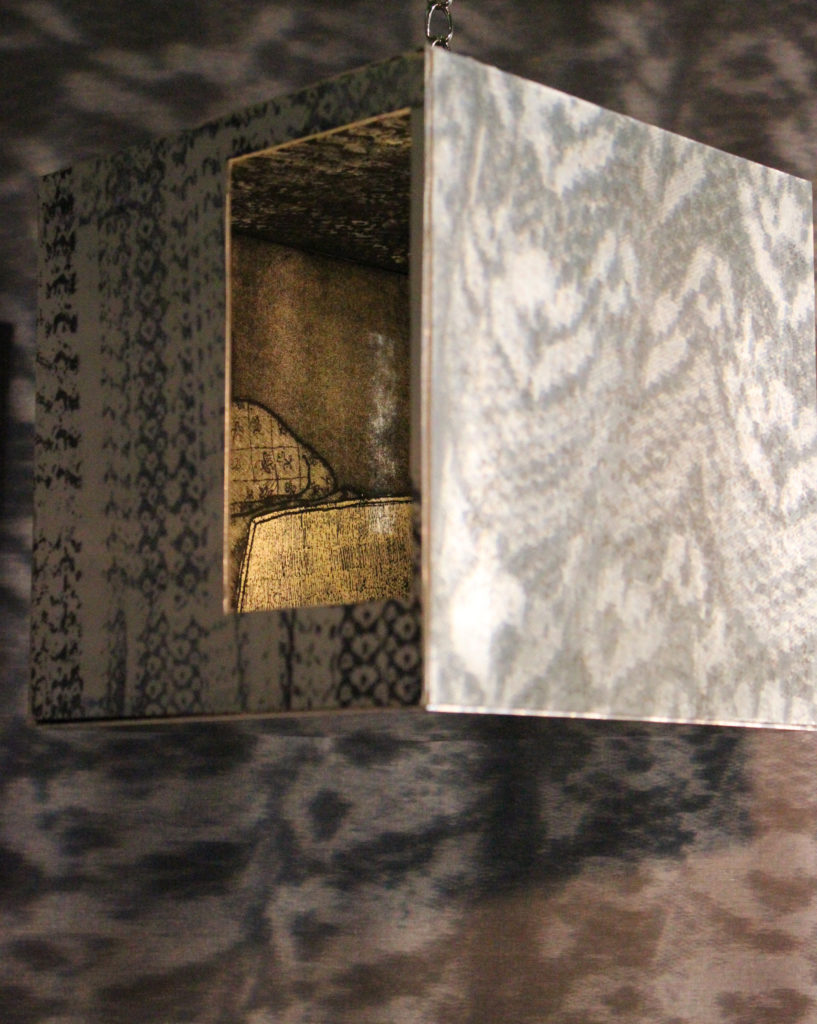
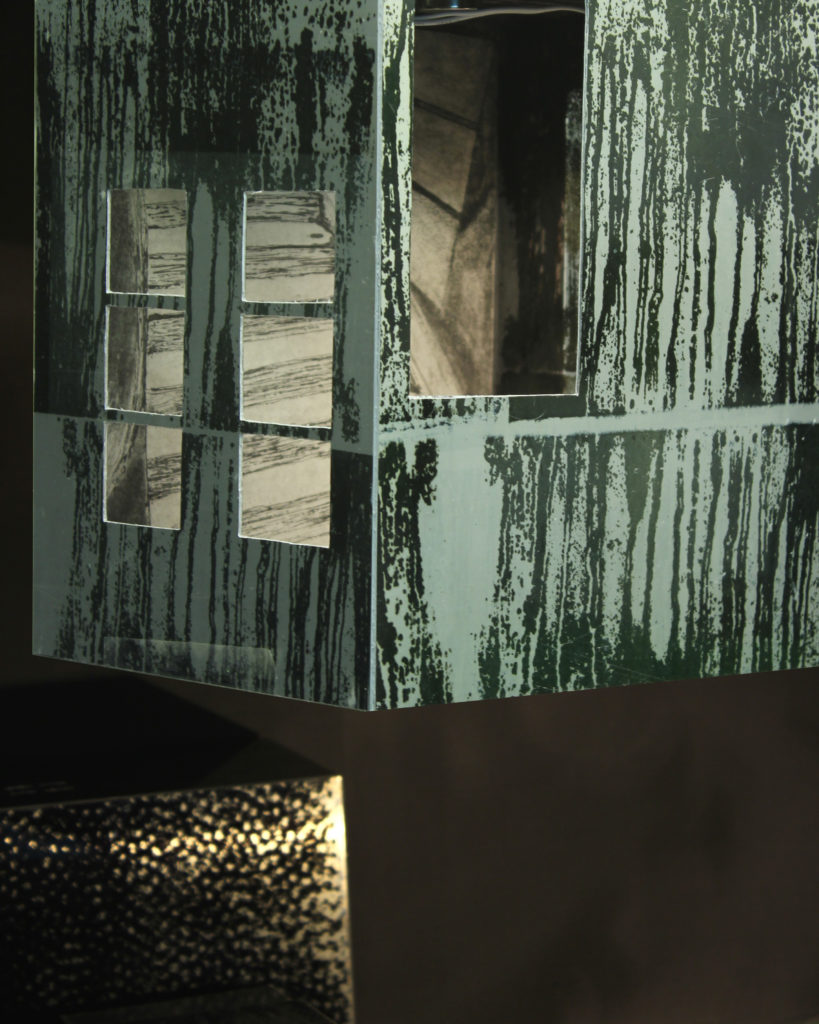
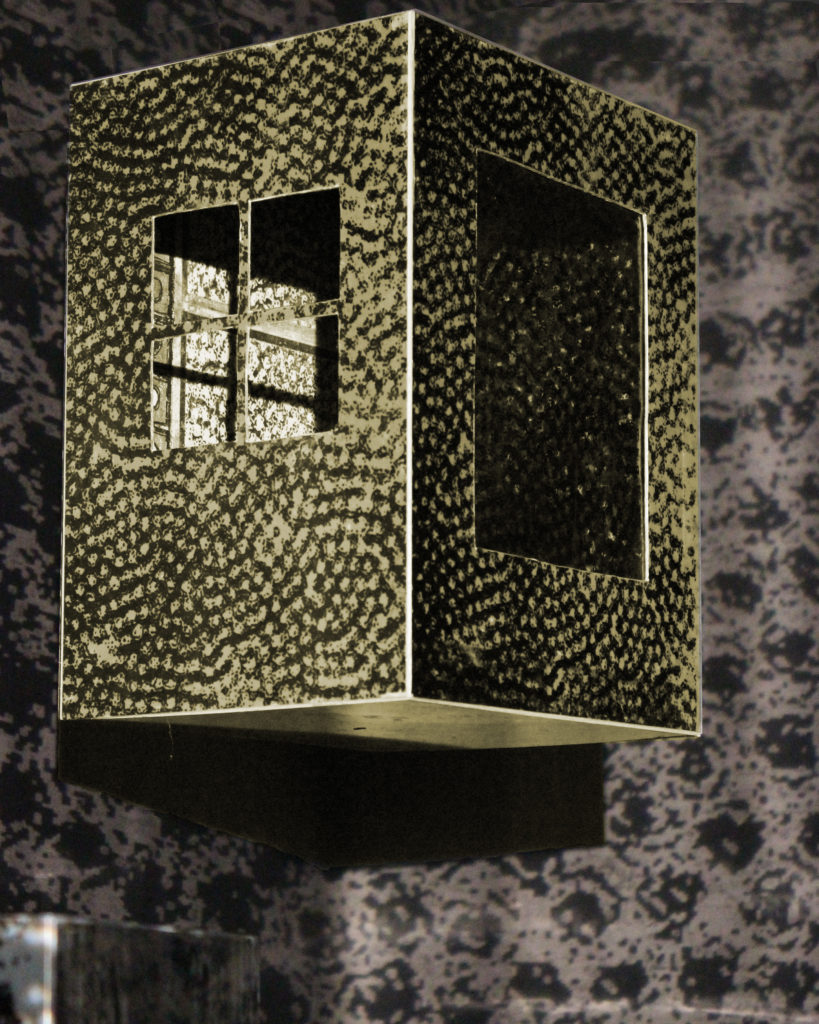
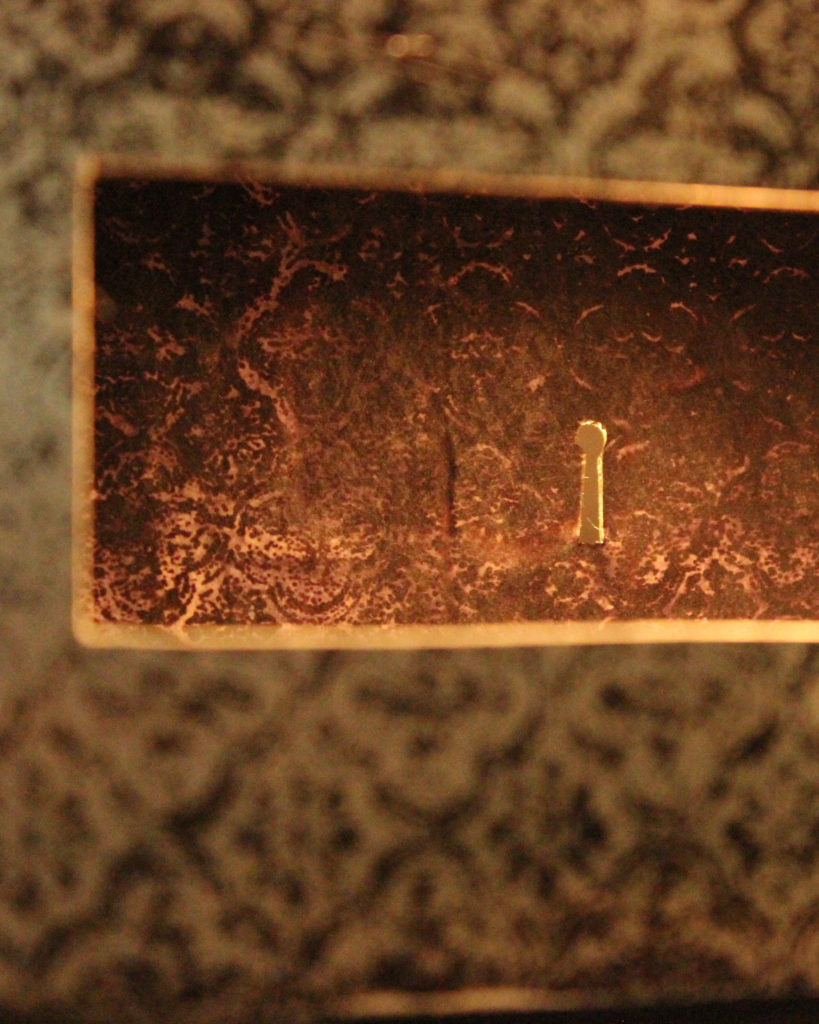
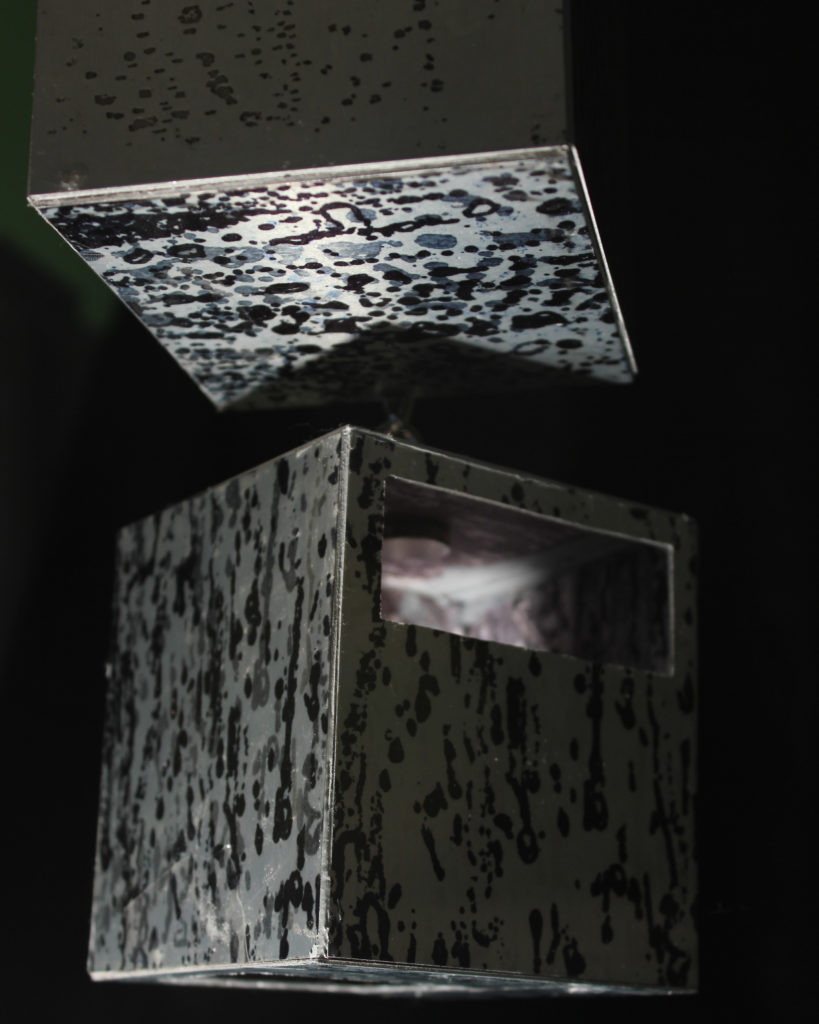
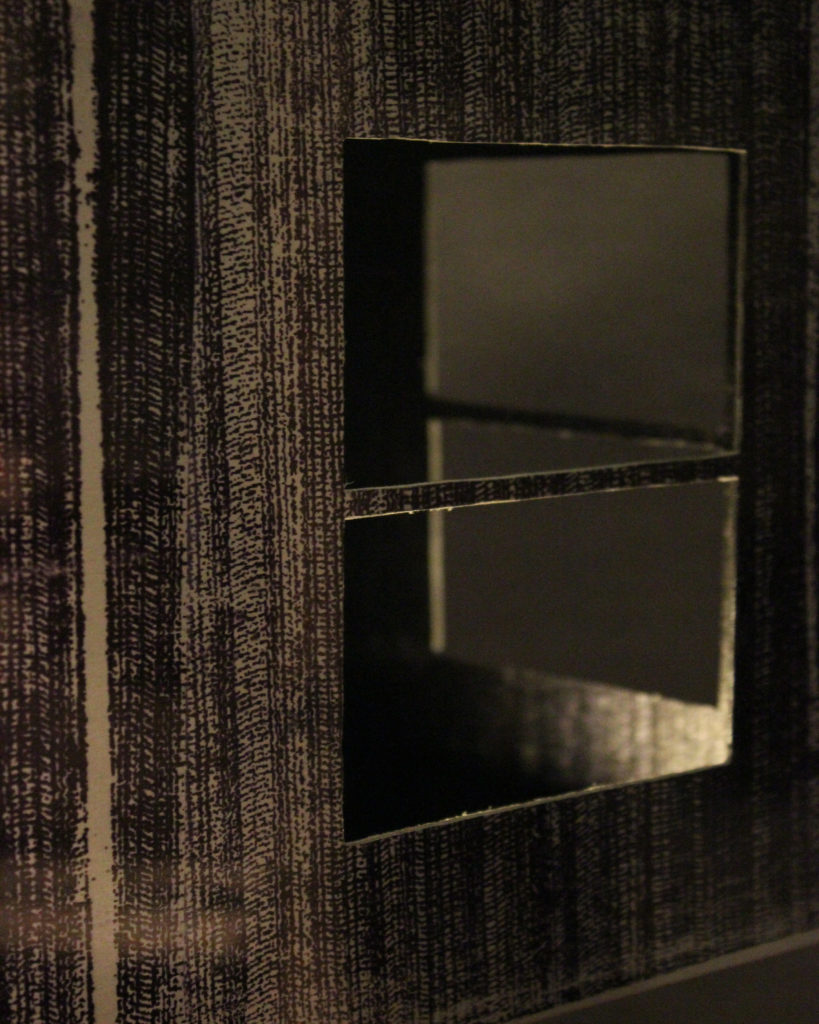
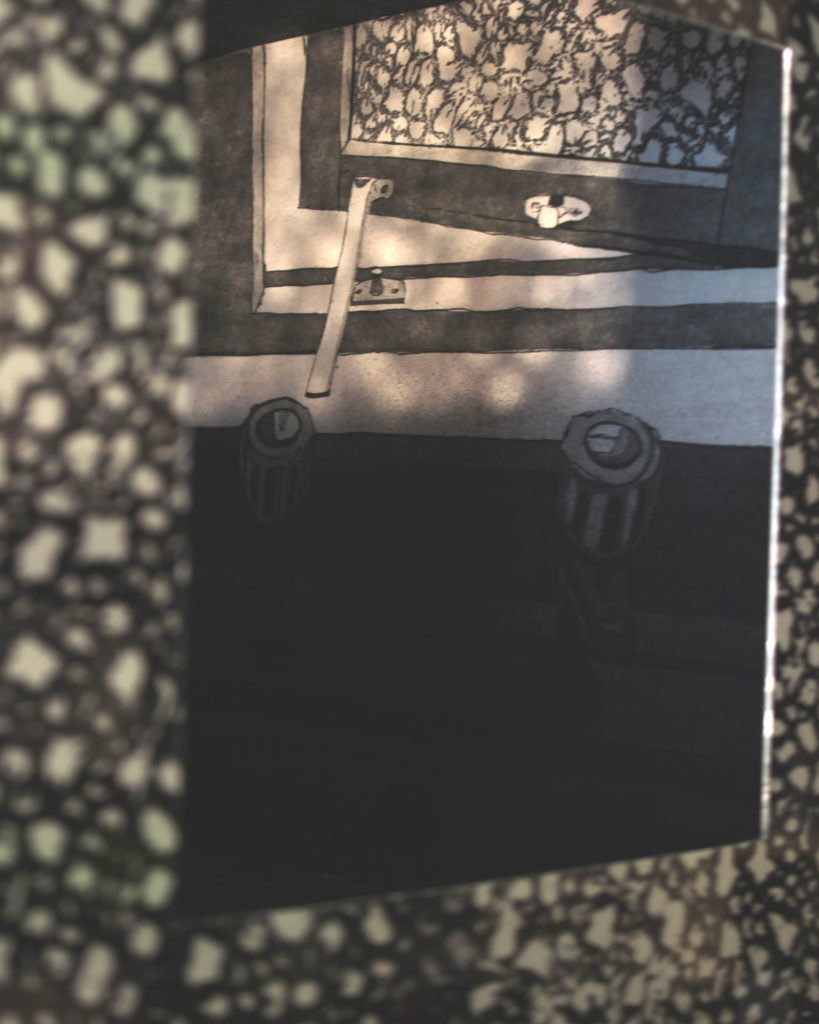
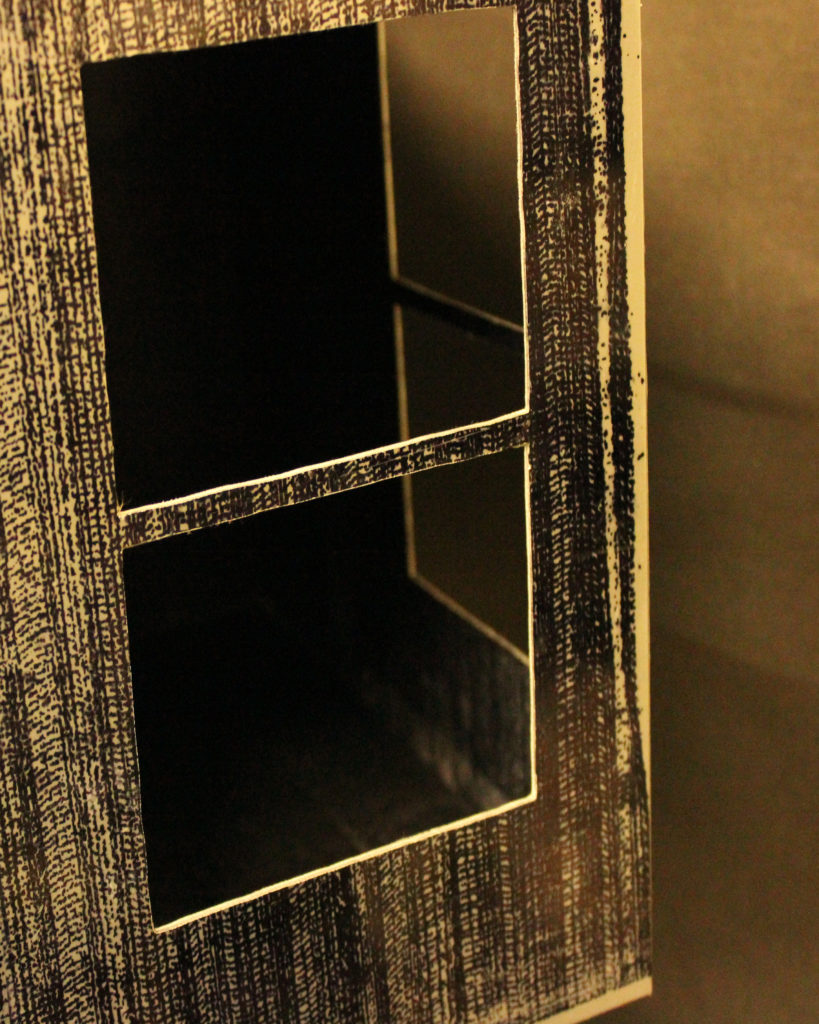
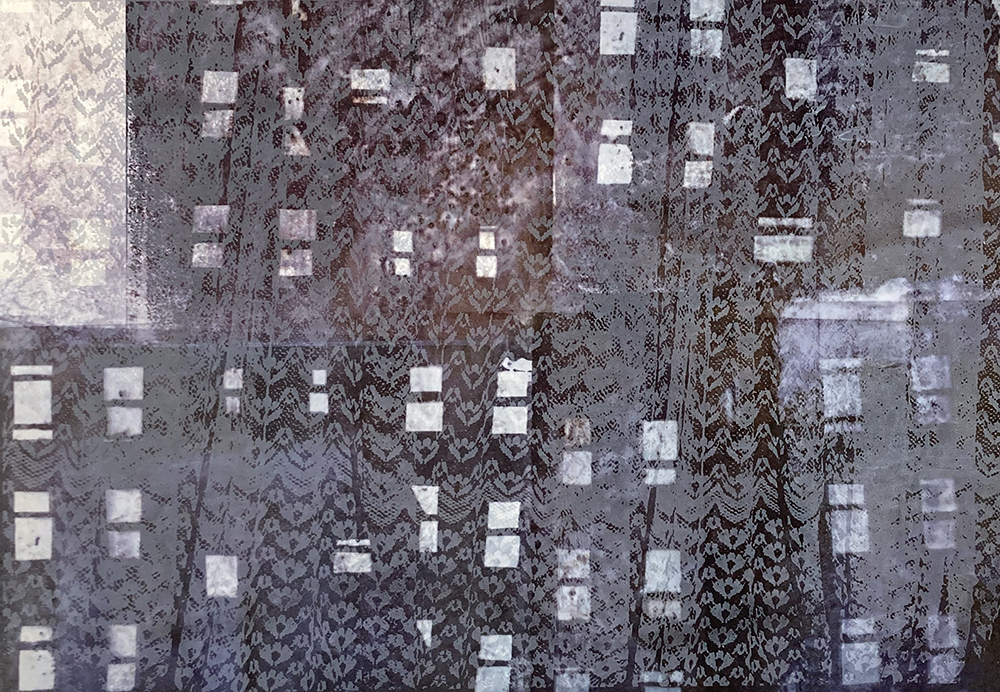
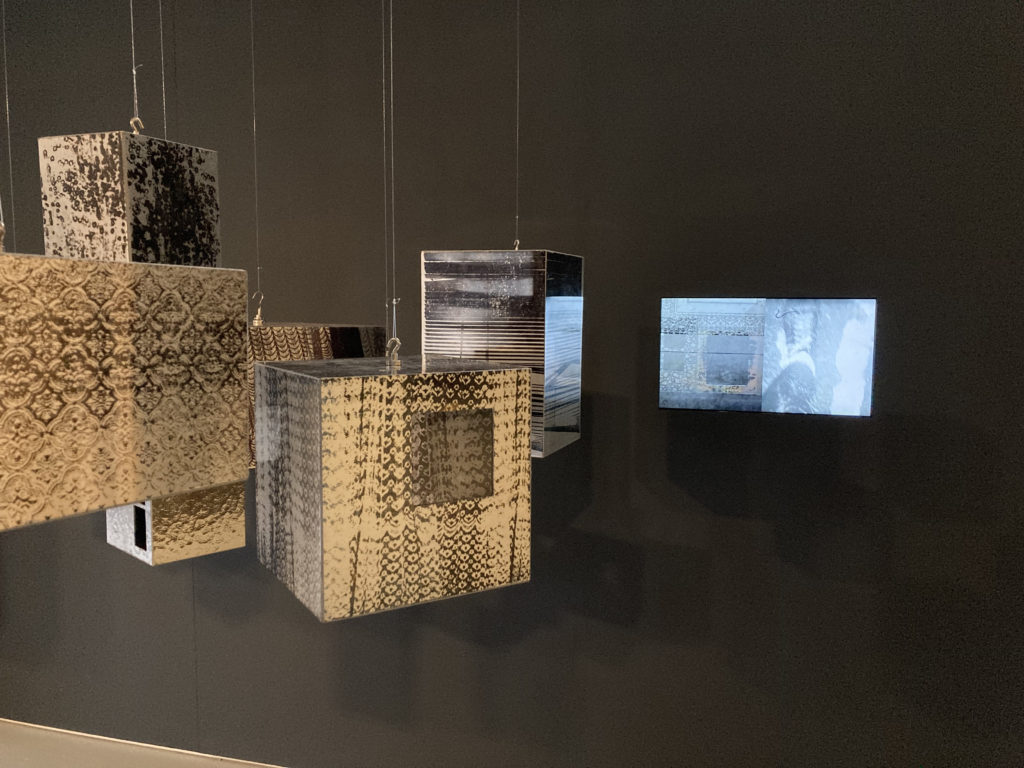
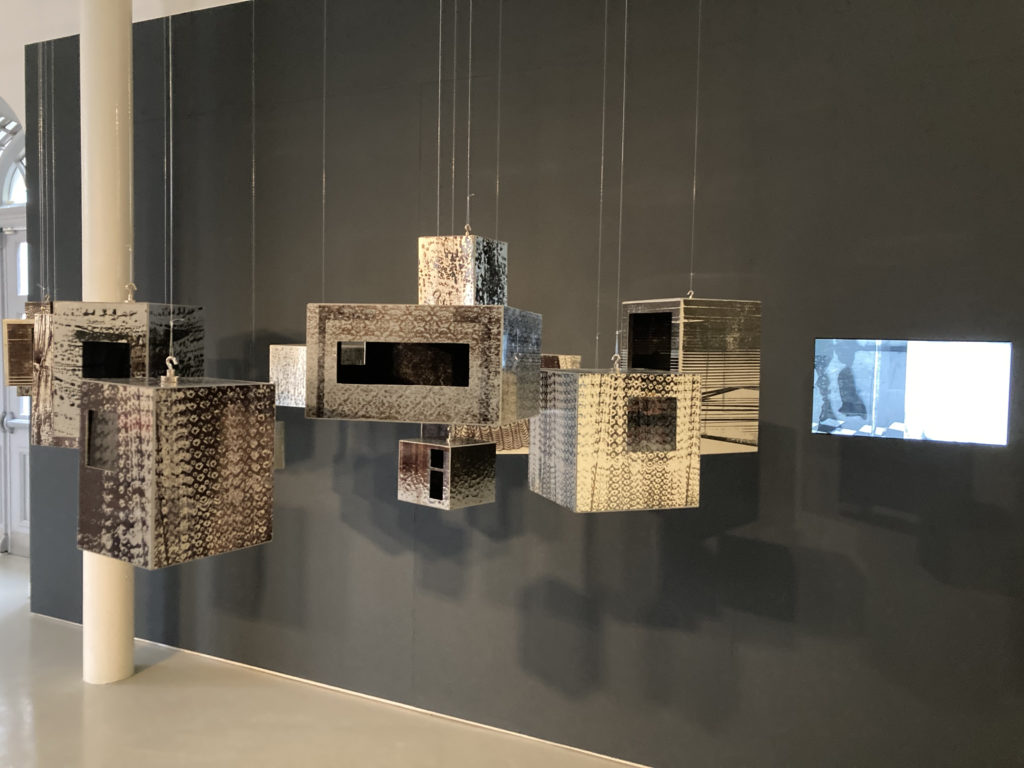
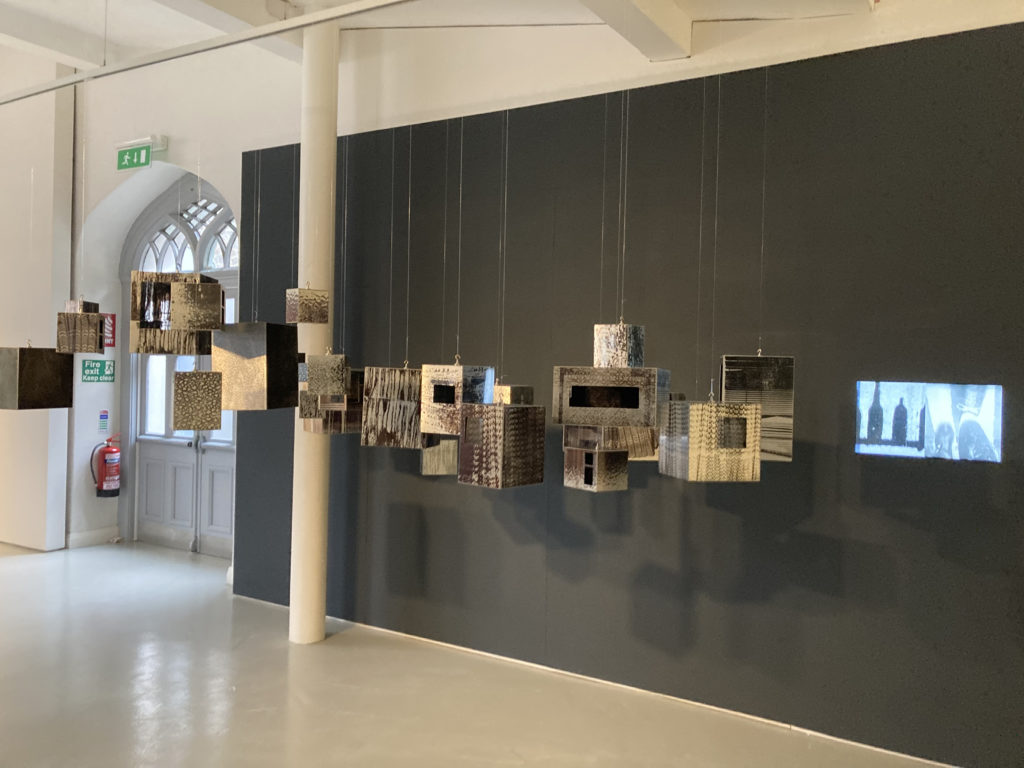
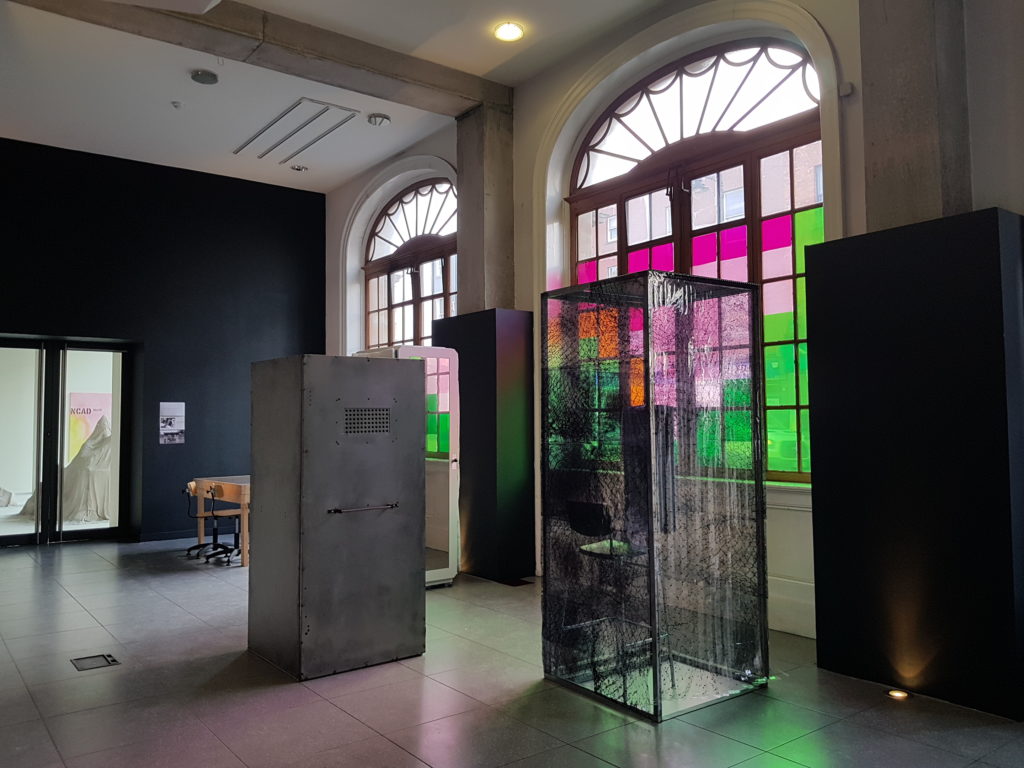
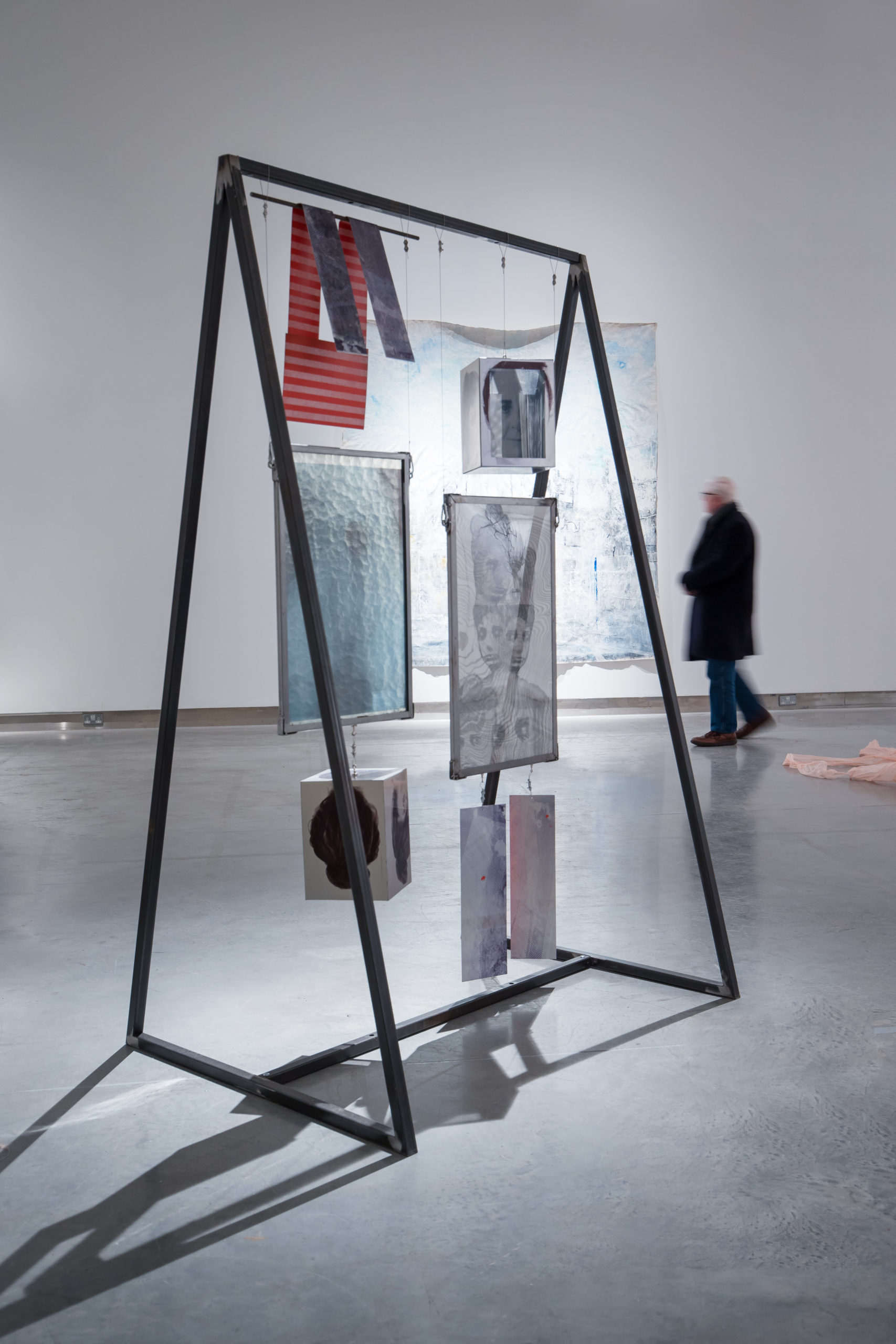
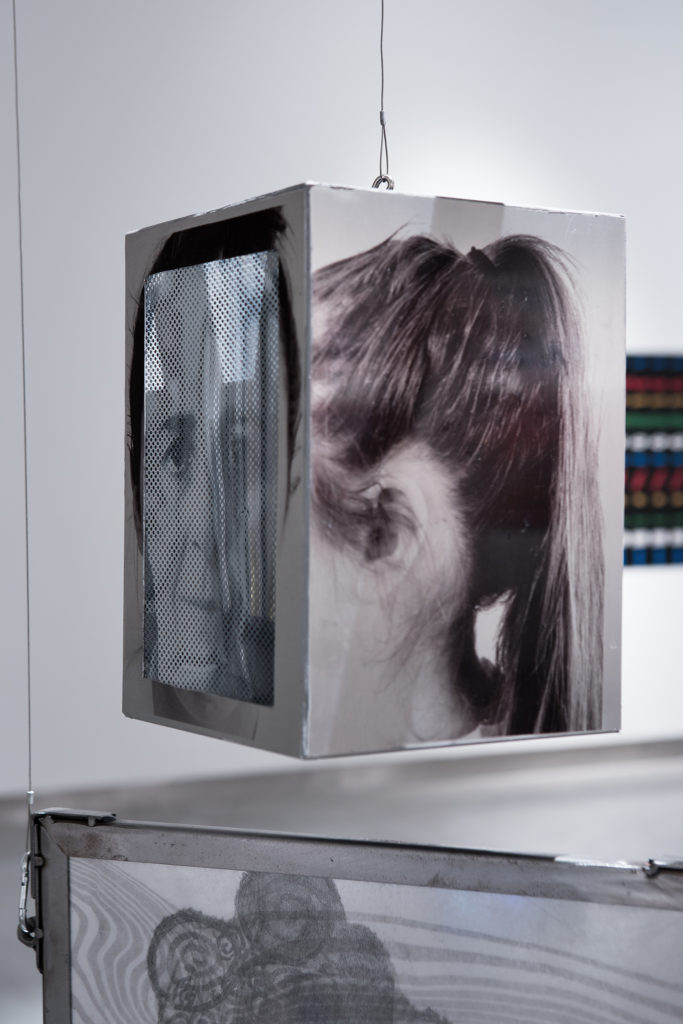
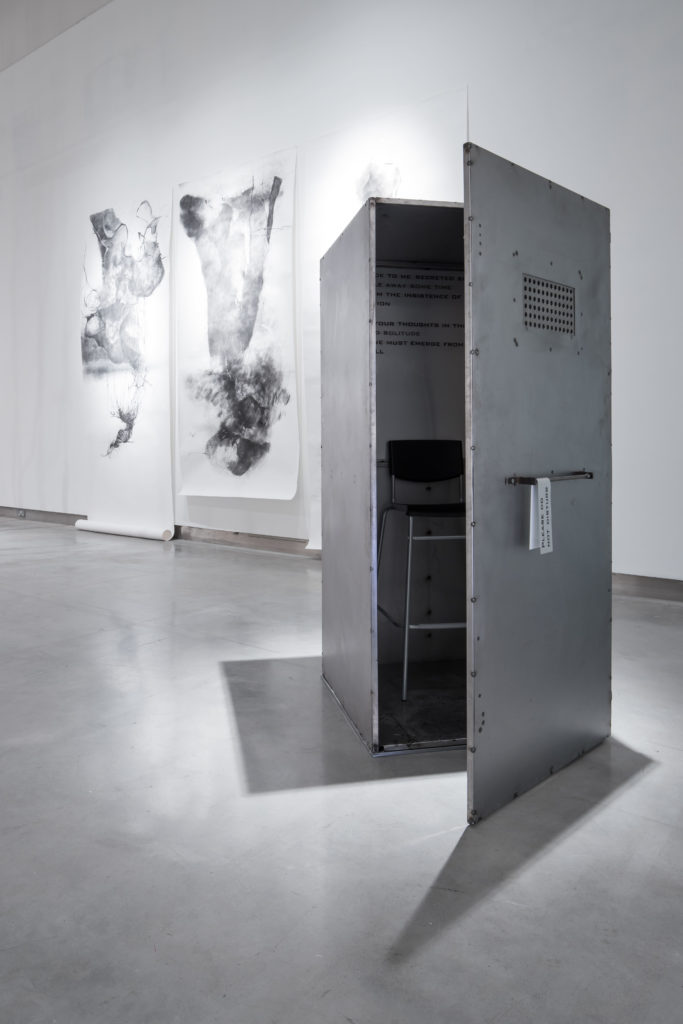
Surreal Estate installation Graphic Studio Gallery: May 2013 Thermal transfer screen print on constructed aluminium boxes containing interiors with etchings/screen prints/monoprints. 11 Digital Archival pigment prints 3 minute animated film.
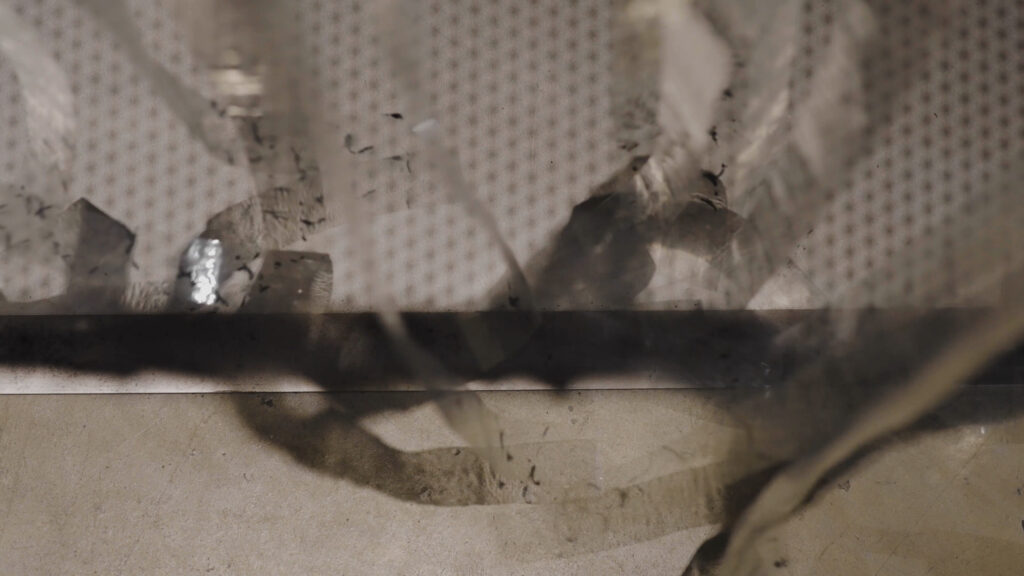
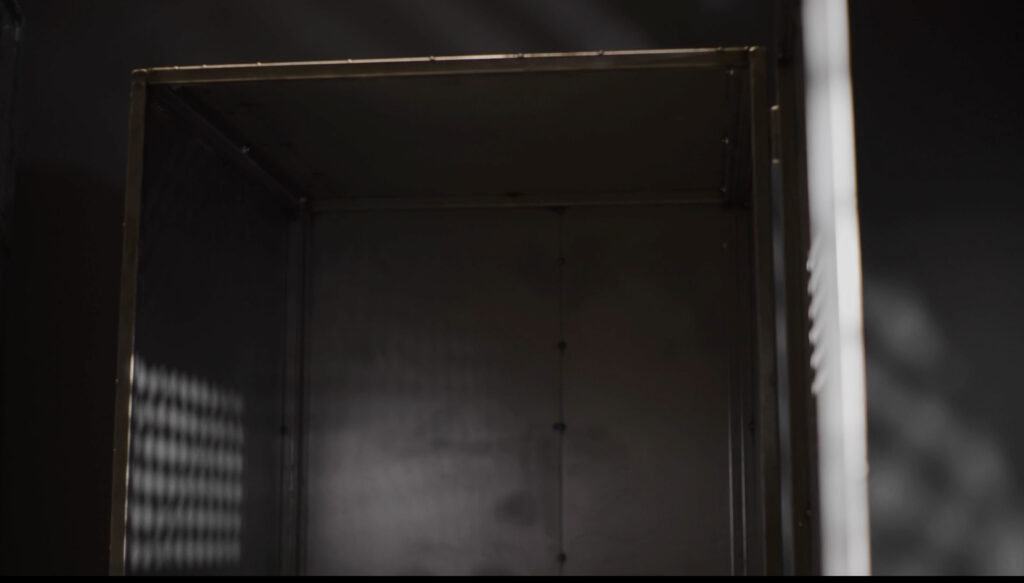
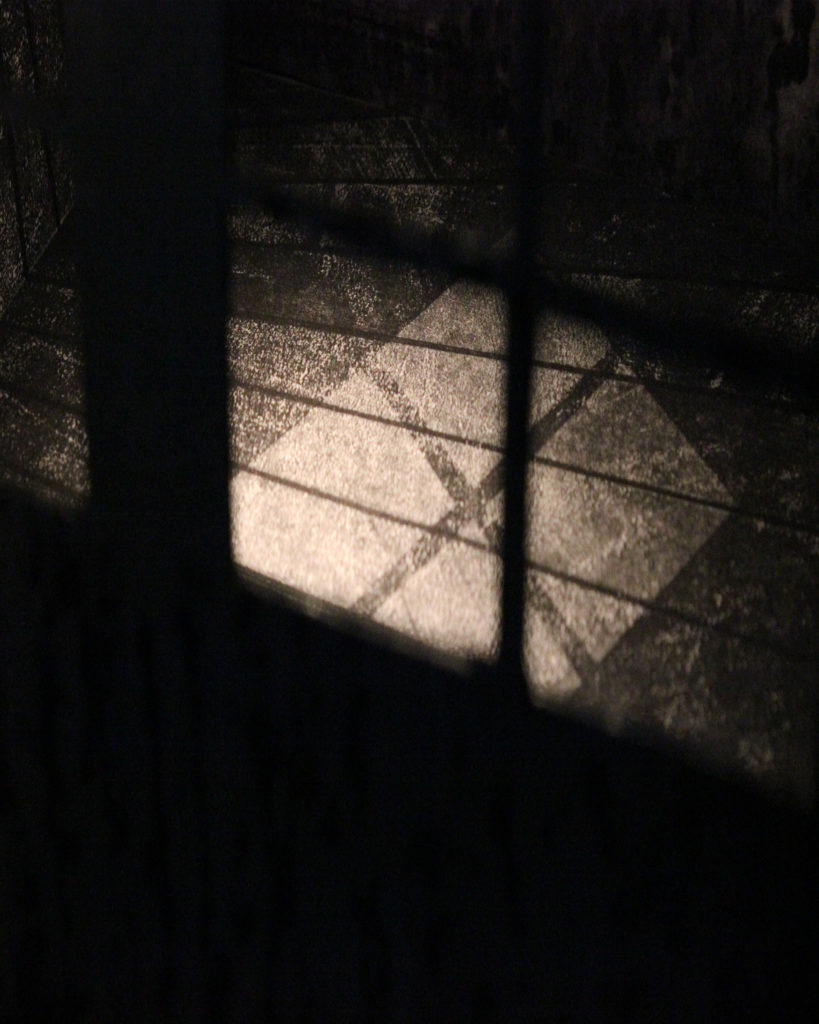
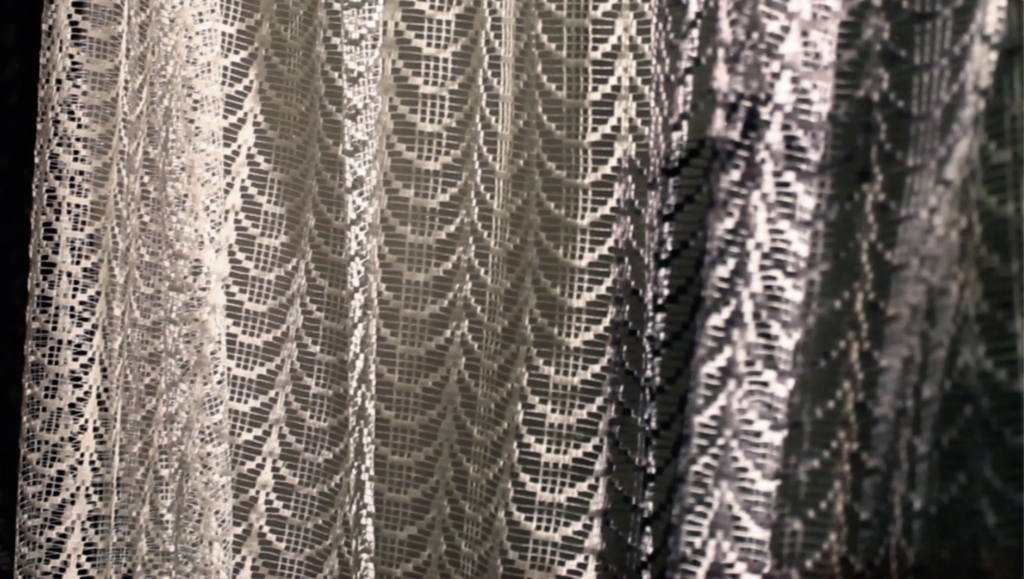
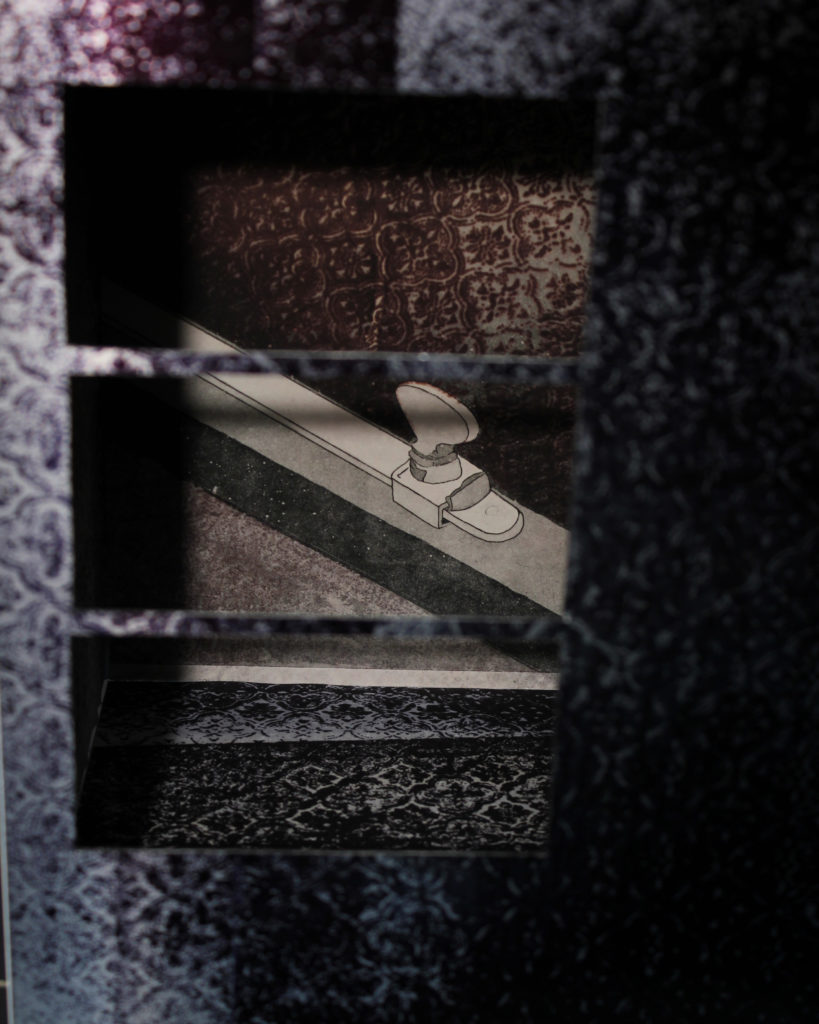
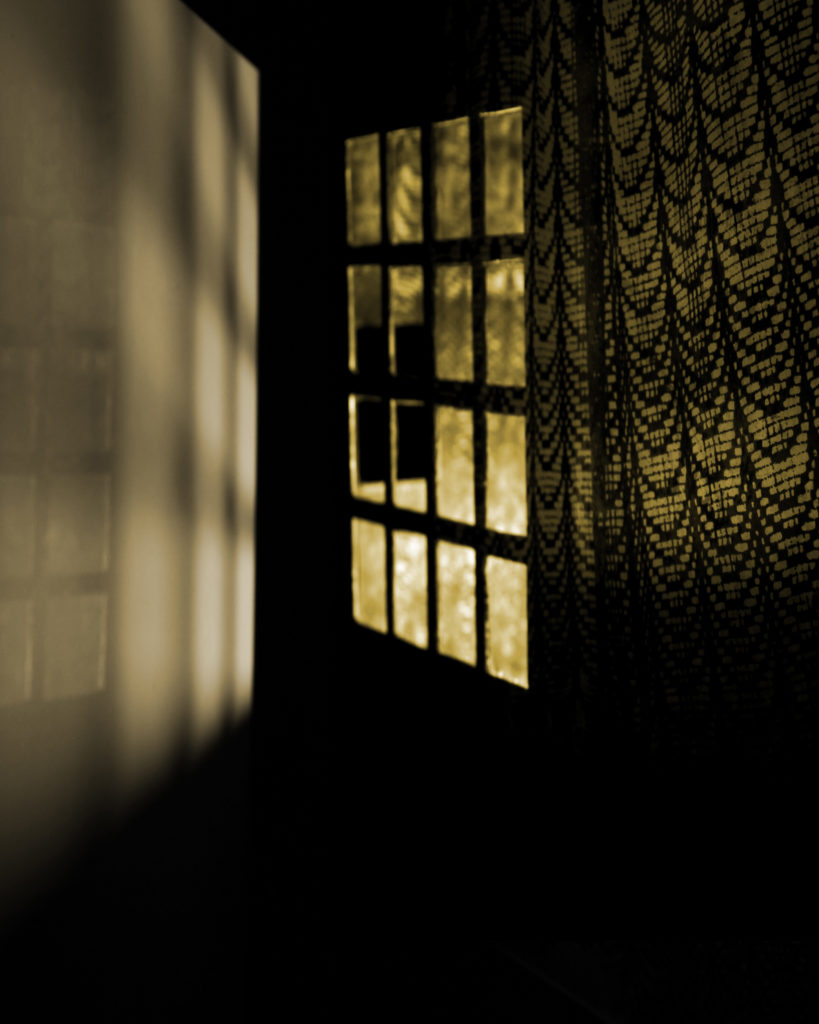
Surreal Estate Surreal Estate has grown out of my interest in shadows, reflections and windows. Working in a beautiful old studio surrounded by a variety of old and disused windows, obsolete vitrines and historic picture glass, I was particularly drawn to how the inherent distortions formed in glass during manufacture and the subsequent creep of ageing can influence how and what we see. Such idiosyncratic textures together with additional visual patterns of rain, dust and oil provide a unique impression; a distorted reality. This in turn led me to look closer at patterned and decorative glass, nets, curtains and blinds, all of which control or alter what we allow of our private life to be seen and how we view our surroundings. The installation comprises three elements Surrealight, 35 print and sculptural constructions, Surrealshadow, a set of digital prints and Shadowlight, a 3min animated film.
Surrealight represents an uninhabited urban area akin to the many historic, deserted Irish villages and current ghost estates albeit with an independent imaginary life of its own; one that we are not invited to share. Nevertheless, we are pulled in by our curiosity and by the desire to make sense of what we can see. A dirty window obscured by torn curtains suggests neglect or eccentricity but this is entirely presumed. We do not know what is behind the glass; whether or not there is an occupant. We live with so much around us that we consider important yet often an abandoned room will contain vestiges of their inhabitants who have since moved on. This becomes part of the history or life of the rooms. A new occupant may change it all but time will ensure that the cycle of dereliction and regeneration continues. These questions have morphed into a fascination with how perception can be distorted. How do we perceive these spaces – do they remind us of our past or do they make us think about where we are and of our own place in time?
Surrealshadow
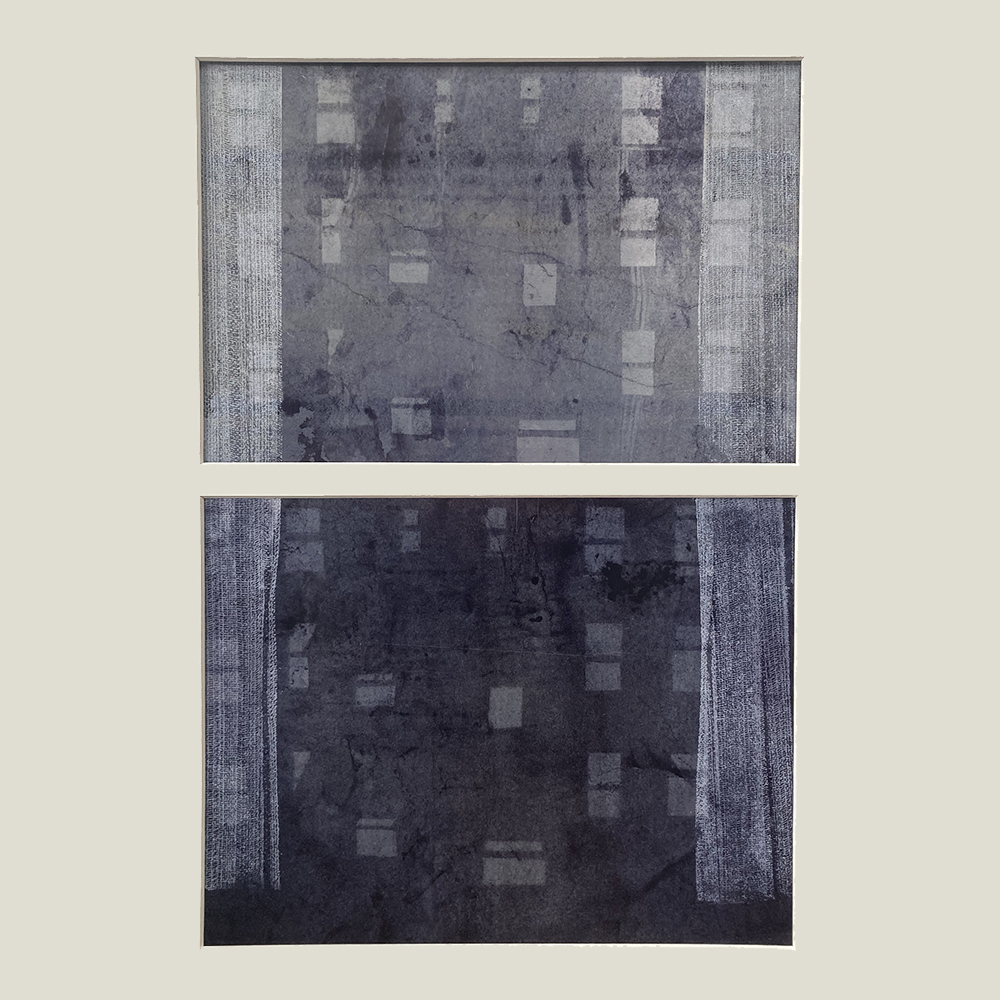
The digital prints which make up Surrealshadow represent views of the fabricated interiors and exteriors of Surrealight. The patterns of curtains and glass, the interplay of light and shadow and the image of windows all are shown in stasis and as such appear stage-like and inanimate in comparison. It interests me how differently these spaces are perceived and how our emotional response is altered.
In Shadowlight themes of watching and being watched are presented to the spectator through a non-narrative sequence which hints at the private ethereal existence of spaces independent of us. How does the feeling or knowledge of being watched distort how we behave? Light and shadow play, pattern and effects on glass create an additional visual plane for the viewer sometimes at harmony with the images in the shots and at other times in conflict. The intent is to blur the lines between apparent reality and created fantasy, to look further into what appears straightforward at first glance.
11 Digital Archival pigment prints Surreal Estate: Graphic Studio Gallery: May 2013
The digital prints which make up Surrealshadow represent views of the fabricated interiors and exteriors of Surrealight. The patterns of curtains and glass, the interplay of light and shadow and the image of windows all are shown in stasis and as such appear stage-like and inanimate in comparison. It interests me how differently these spaces are perceived and how our emotional response is altered.
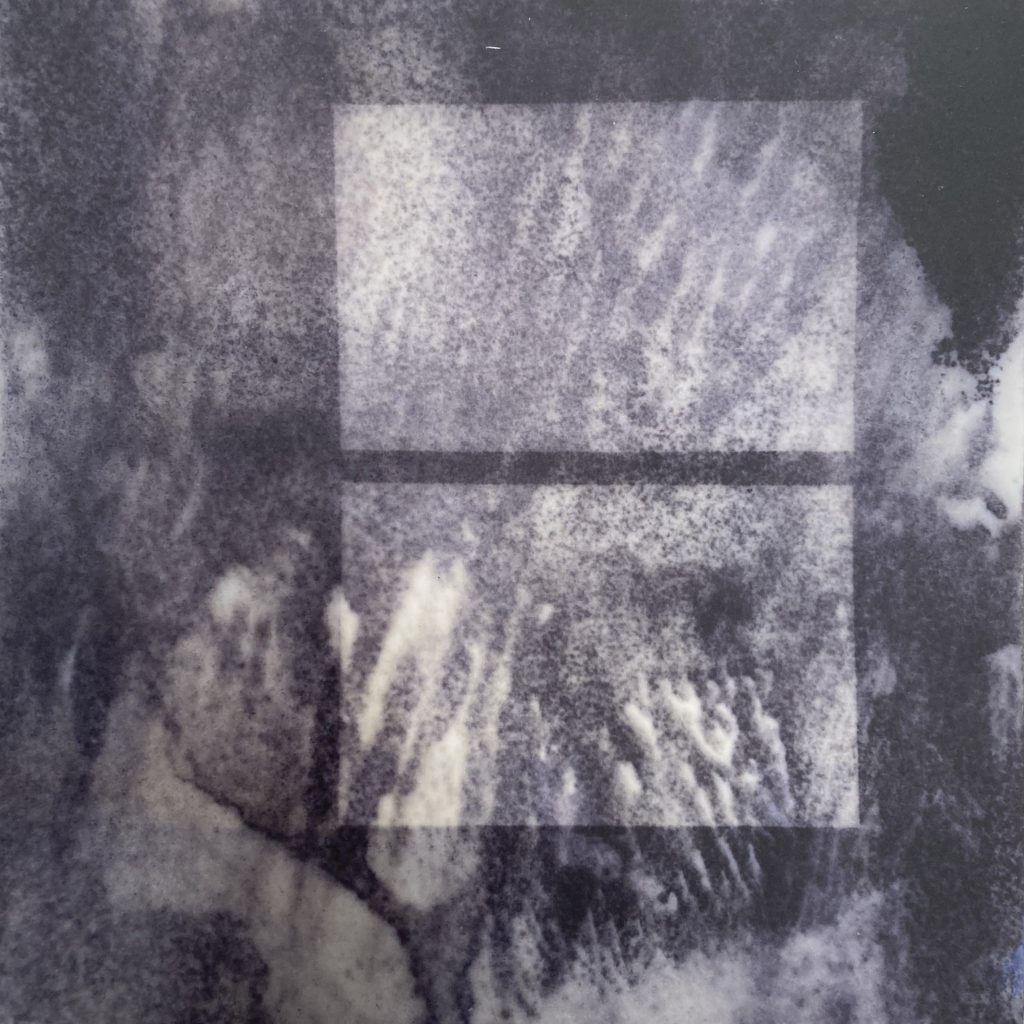
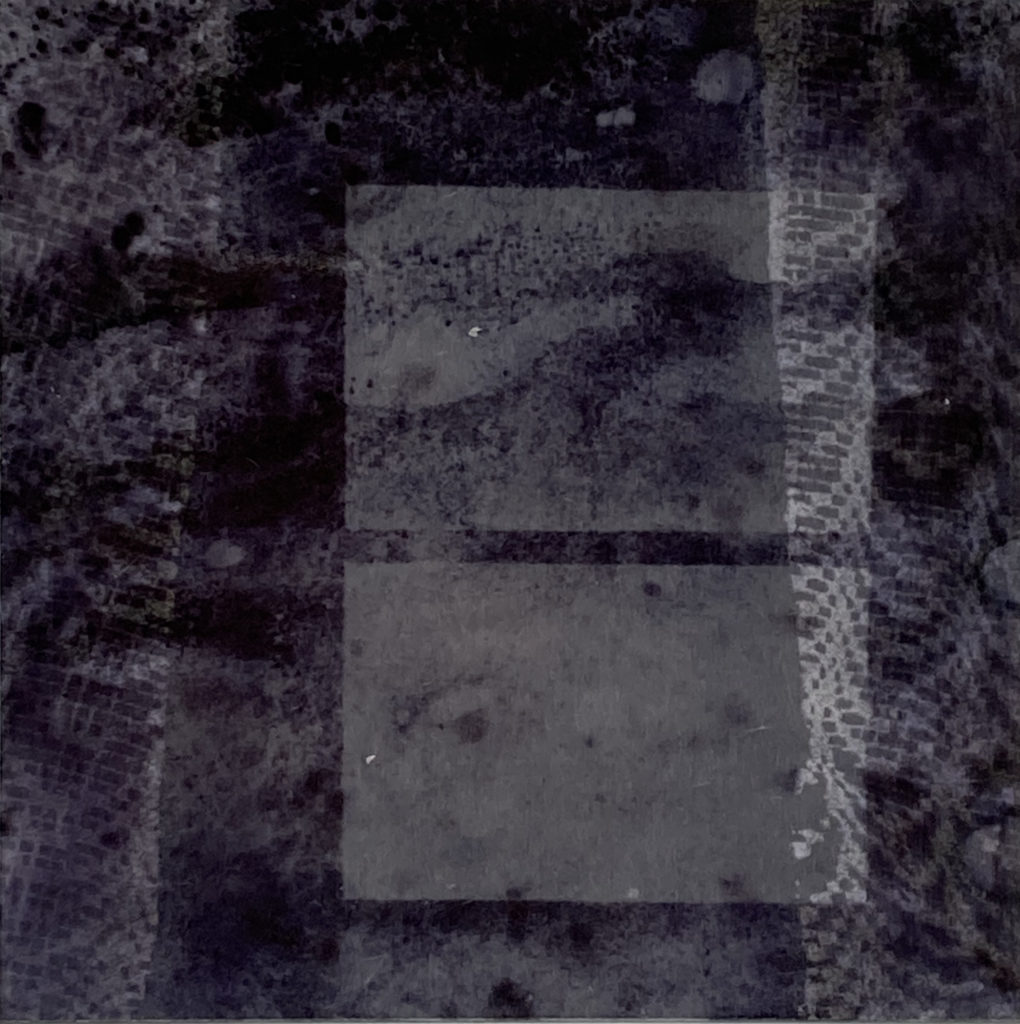
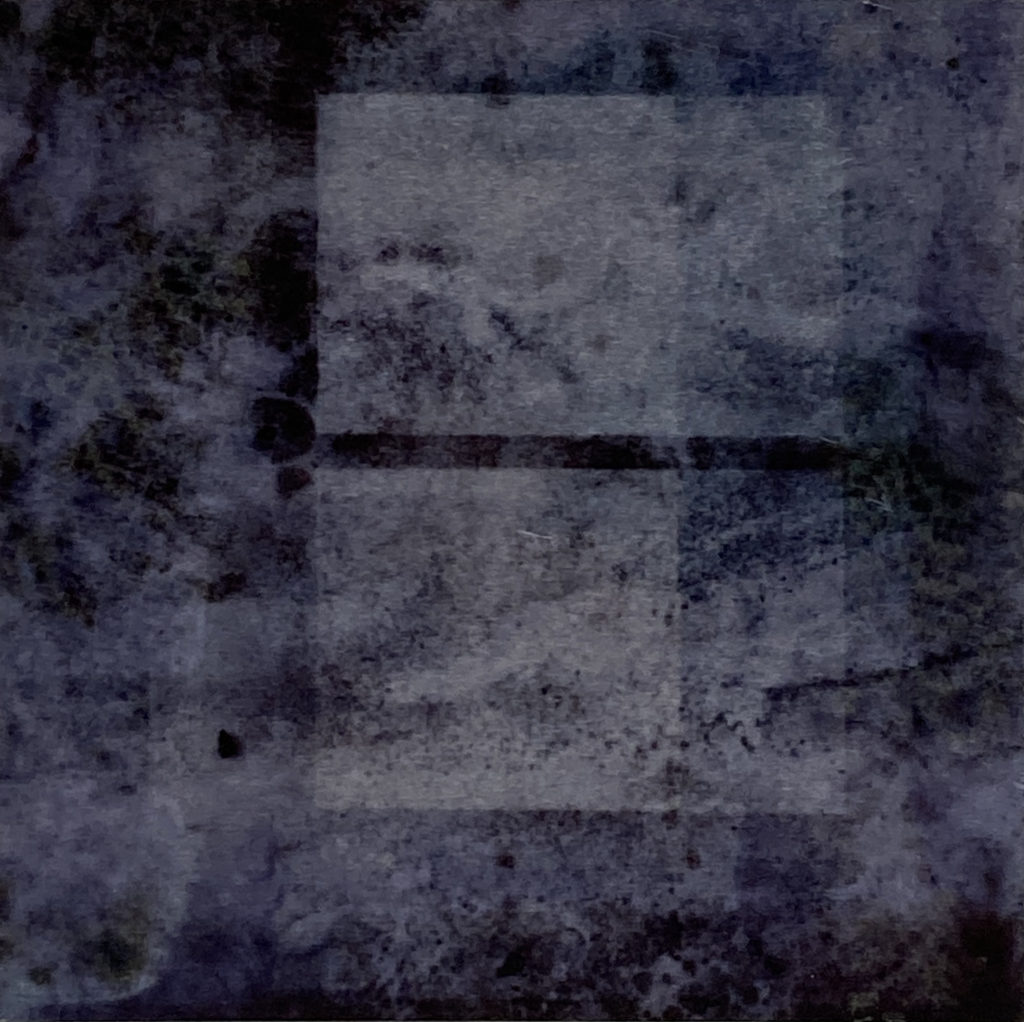
Window Shadows 15 x 15 cm, thermal transfer stencil and screen print on aluminium
I was delighted to participate in the PLUID project for Pieta House. I chose windows as a symbolic representation of the restrictions imposed by COVID. They also reflect the shelter that I have been lucky to enjoy with my family in a warm and secure home, with space in which to create.
The moon is a distant object, gazed upon by more humans than any other solid object in the universe (Morton, 2019), yet its surface has only been walked on by 12 white American men. The only people to have experienced it first-hand. However, does that make the rest of our knowledge less valid?
[Hu]Manned Mission is a pseudoscientific exploration into humans’ interactions with the moon. An appraisal of lunar myths and missions, combining fact with fiction to create new narratives. It offers an invitation to reconnect and communicate with your moon, to consider the importance of language in your quest, because … it matters what stories we tell to tell other stories with; it matters what knots knot knots, what thoughts think thoughts, what descriptions describe descriptions, what ties tie ties. It matters what stories make worlds, what worlds make stories (Haraway, 2016).
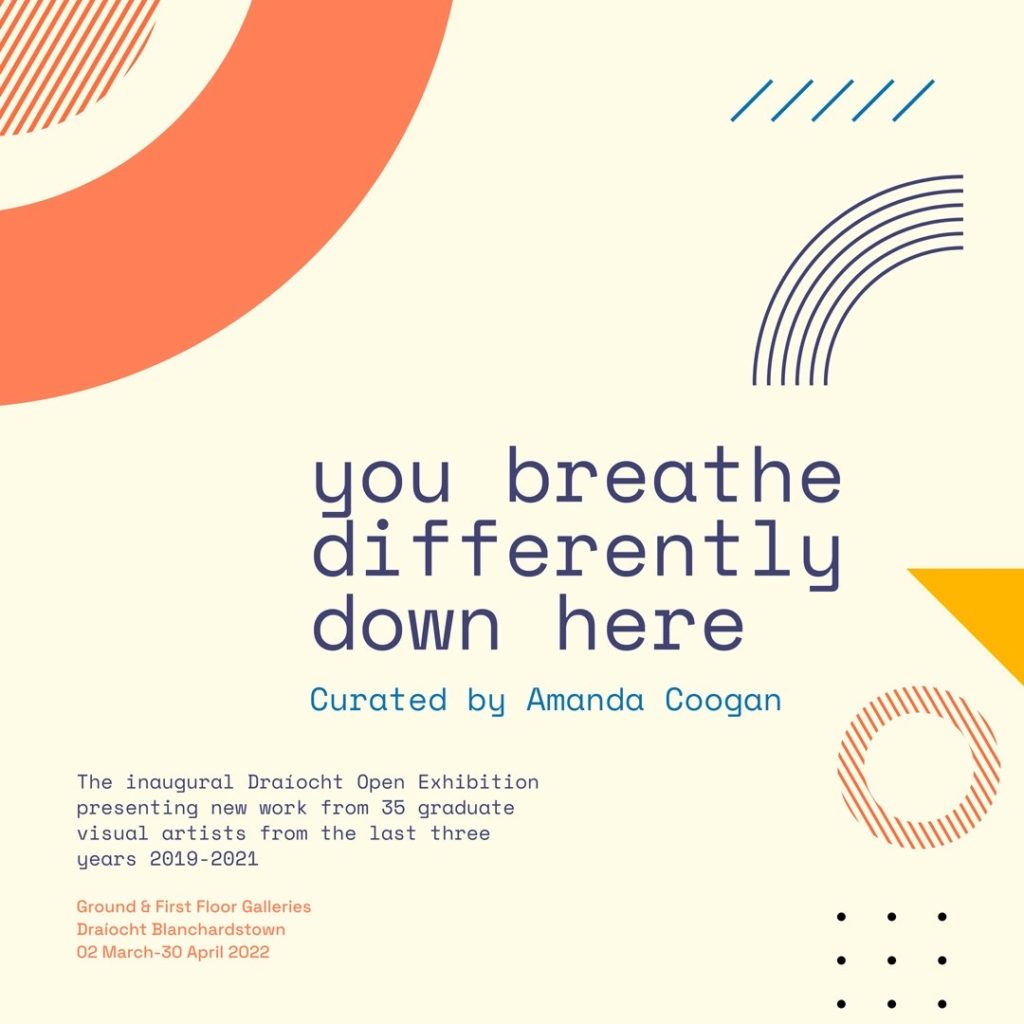
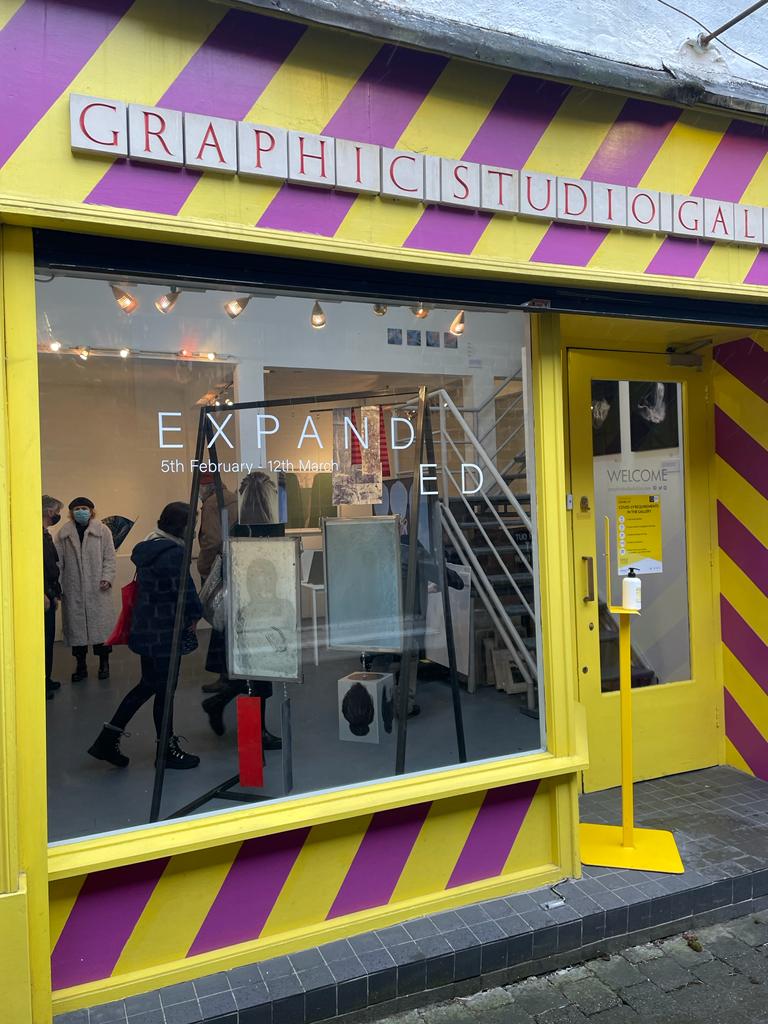
Shell of Secretion in Draíocht’s ‘you breathe differently down here’ curated by Amanda CooganHang ups at GSD Expanded, curated by Andrew Folan
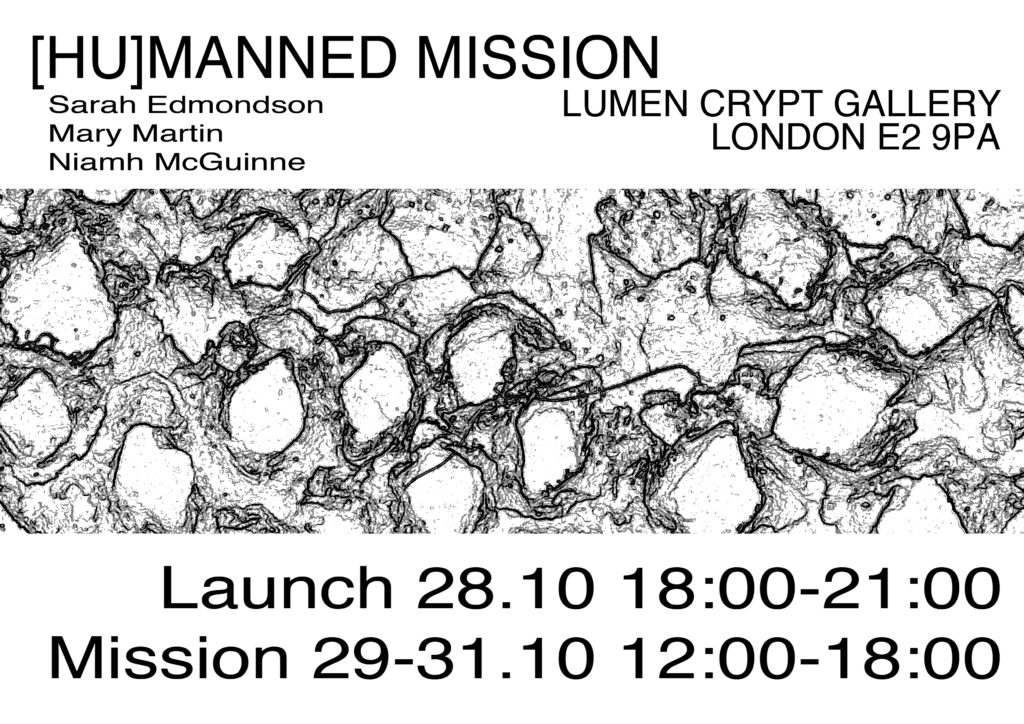
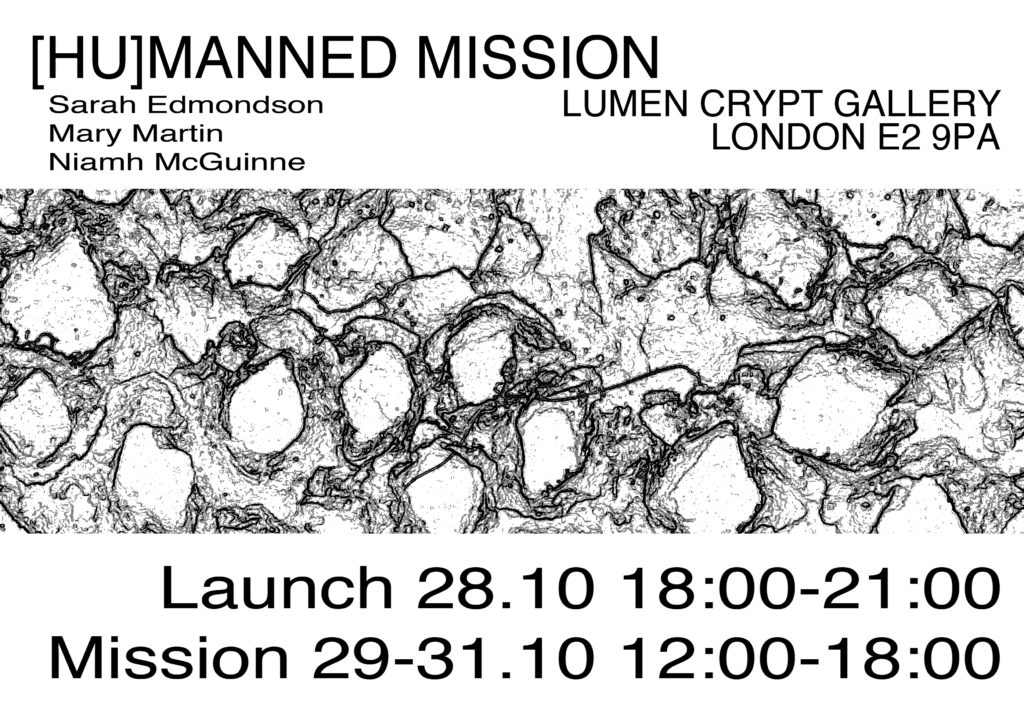
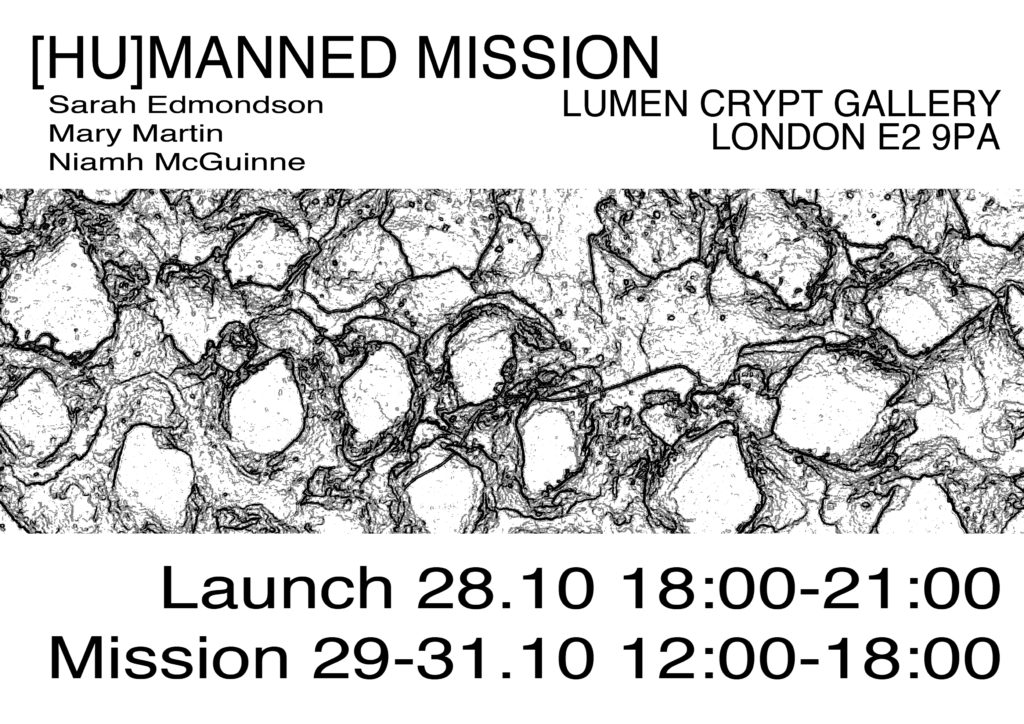
[Hu]Manned Mission at the Lumen Crypt Gallery London
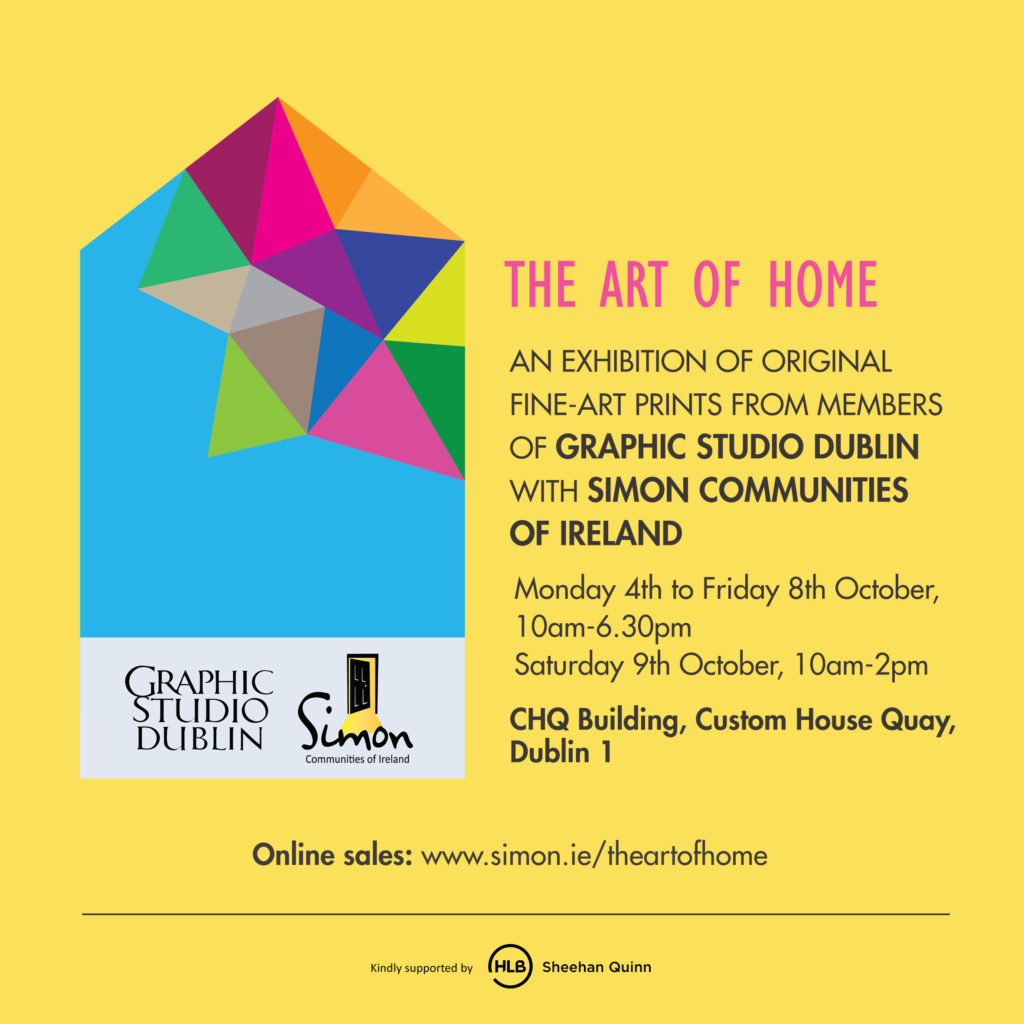
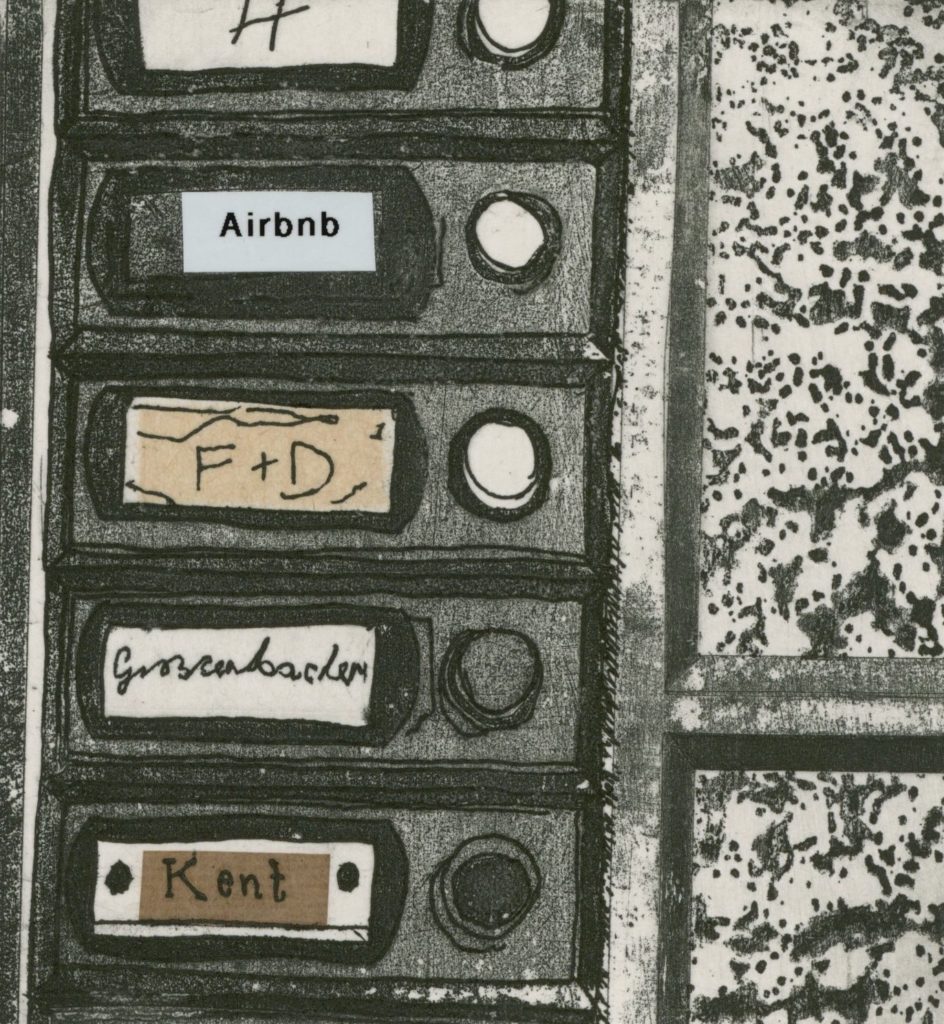
Buzz me in as part of GSD/Simon exhibition The Art of Home
Buzz me in, etching chine college and collage, part of ‘The Art of Home’ opens Monday 4th- Saturday 9th October, 10am- 6:30pm at @CHQ Dublin, Custom House Quay, Dublin 1. ‘The Art of Home’ is a charity exhibition of fine art prints from 41 members of Graphic Studio Dublin with Simon Communities of Ireland. Proceeds will be split 50/50 with the artists and Simon Communities helping to promote the solutions that will bring an end to homelessness in Ireland.
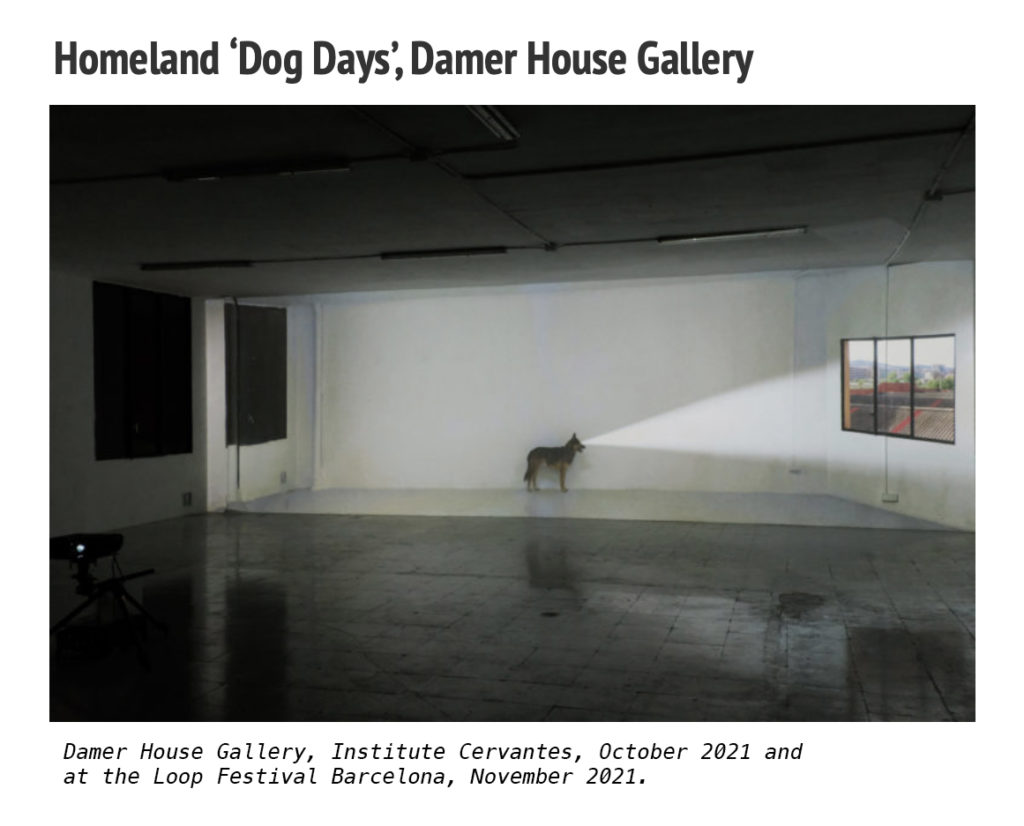
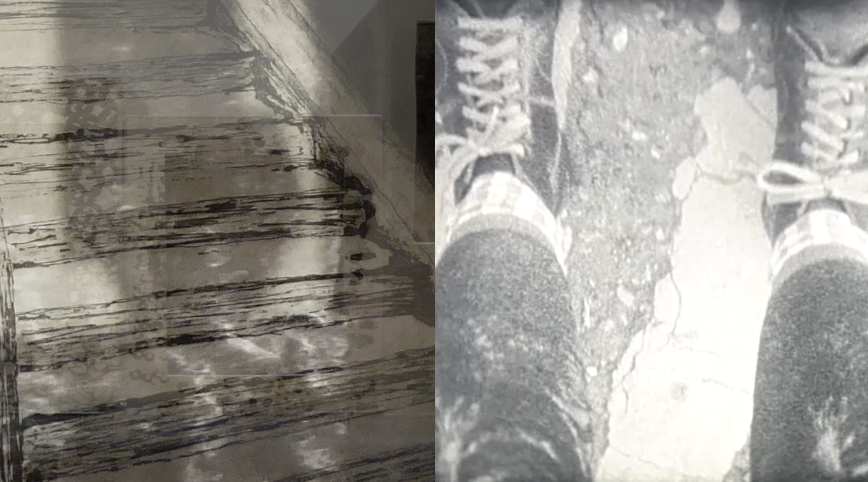
Peripheral in Homeland Dog Days
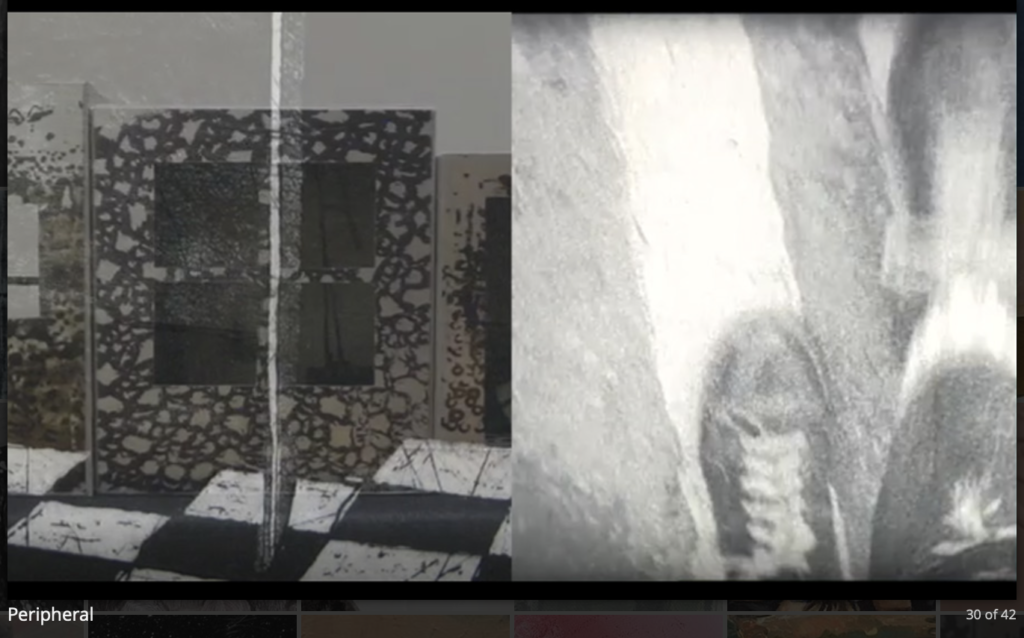
Peripheral will be showing as part of Homeland Dog Days in King John’s Tower, Damer House, Roscrea from the 23 October to 3 November and at Loop film festival in Barcelona in the Alalimon Gallery from the 9 – 21 November.
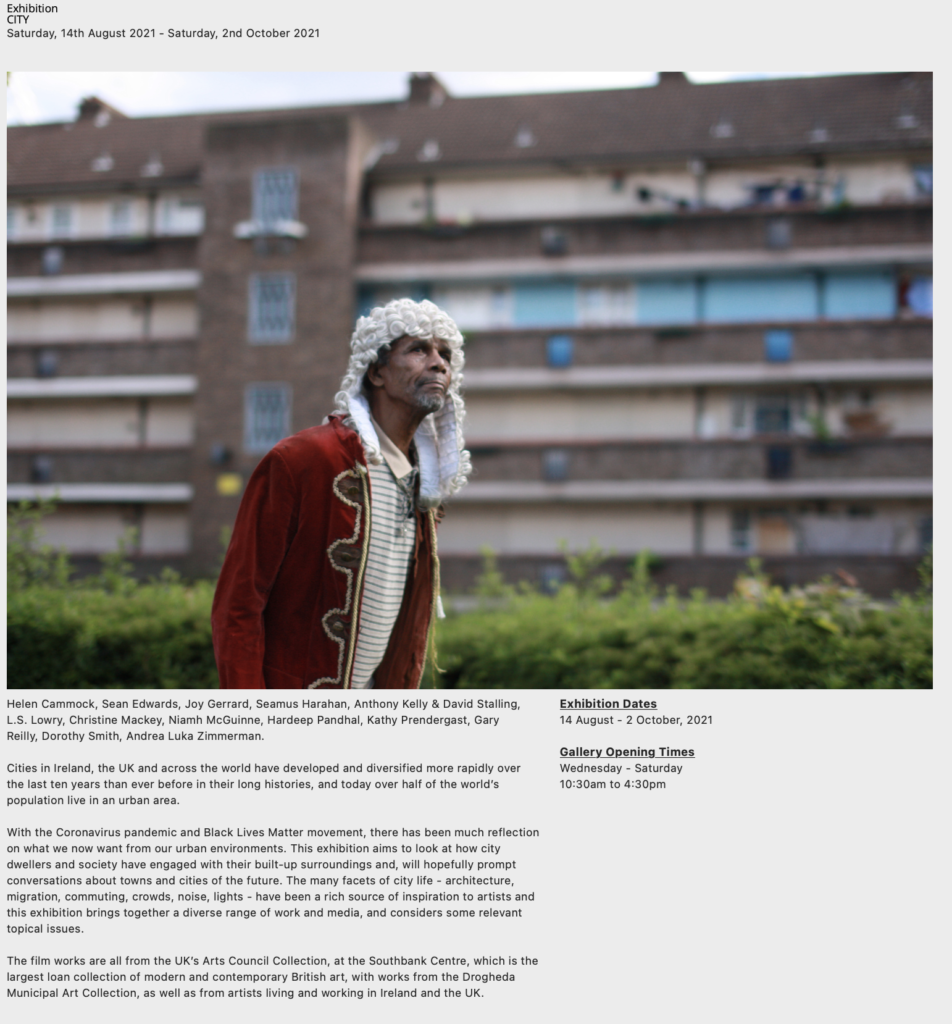
Surreal Estate and Peripheral in CITY at the Highlanes Gallery