Artist



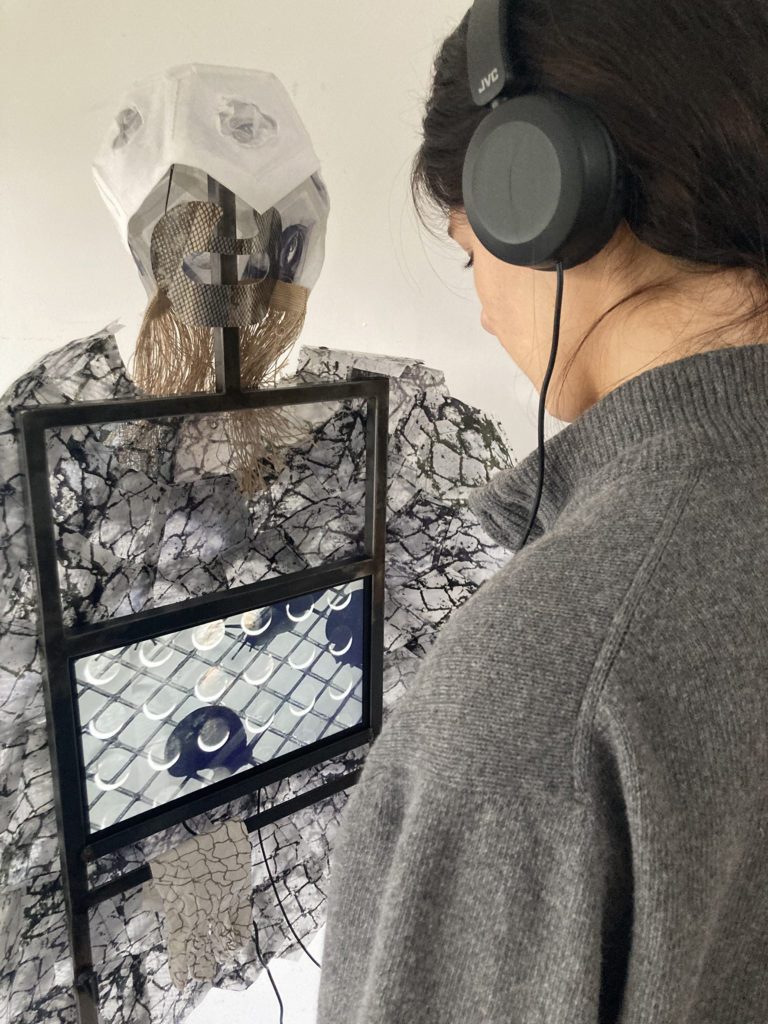
Eye Sleight Installation (2023)

Chromidrosis is a rare skin disorder that manifests as a dramatic dark blue/black particulate secretion concentrated around the eyes. It was most prevalent in young women in the 1800s with over 45 cases documented in Western Europe between 1709 and 1949. A small number of unique pathological illustrations of the condition dating from circa 1869 exist in Trinity College Old Anatomy Museum. The different artists, who made the six watercolours in TCD’s collection includes Dubliner Marcella Irwin. They have managed to accurately illustrate disfiguring dermatological diseases while creating empathetic portraits of the sitters. These drawings of young, beautiful women have a distinctly modern feel to them. They appear to mirror current fashion trends which favour an emphasis on eyes, particularly brows and lashes which can be exaggerated almost to the level of caricature. These images could be easily misinterpreted as illustrating a particular make-up style which uses dramatic masks of blue/purple and black.

Deception, 04:47, transferred 16mm and digital film.
Chromidrosis was thought initially to have been an act of deception whereby the women painted their eyes black in an attention seeking manner. The illness may have been triggered by unacknowledged trauma which interrupted the digestive system causing a sweat of unabsorbed toxins. The individuals did not seem to have ever received a conclusive diagnosis, it wasn’t until the 1950s that any explanation was presented and still this never acknowledged the 1800s observation that the pigment secreted was indigo – instead it was called a lipofuscin or coloured fat. The fact that the disfigurement was concentrated around the eyes gave rise to the development of the theme of masking in my response – how it secreted from their skin, exposed their problem and in turn was interpreted as a deceit that had to be erased.

Erasure, 10:00, digital film
Unmasking is a familiar concept in conservation – the removal of staining and disfigurement in the effort to preserve stability and re-establish the integrity of the object and the original artists’ intention. Often conservation is presented to the public as a series of before and after images – focussing on unmasking. In treating the watercolours belonging to the Old Anatomy Museum, I drew a parallel in my gentle surface cleaning using latex free sponges with how these womens’ faces were rubbed and scrubbed to remove the black/blue staining.

Exposure, Screenprint, etching & thermochromic paint, electronics, 38 x 48cm.
This piece incorporates a list of the recorded Chromidrosis sufferers in 1869. It was published in the Dublin Quarterly Journal of Medicine 1869 Art. VII 68-103. The author, Dr Wynne-Foot, titled the article ‘Two Cases of Chromidrosis, with Remarks’, and detailed the various attempts to diagnose, treat and cure the illness. While their names have not been exposed, the details of their ages, gender, menstruation and the location of the dark secretion shows how it was predominantly an illness affecting young women.

Secretion, (2023) Desiccated XKA hydrogel
Reports on Chromidrosis detail how the blue/black secretion could be rubbed off, only to return in a short period of time. Secretion presents the premise of sloughed skin, not unlike the process of ecdysis in snakes and other reptiles. These tissue fragments are reminiscent of such casts but also evidence of growth and change – as if the occupant has altered their appearance and shed their skin.
Please contact me to request links to videos at nmcguinne@gmail.com
In A Fragile Armour, an iridescent sculpted mother-shell is poised midair, slowly revolving. It alludes to a life’s work/worth, of time built up slowly in calcified strata. Redolent of shelter and protection, it has been (perhaps temporarily) abandoned for reasons unclear – suggesting time has been stilled and stretched into a single interminable moment. Beneath it lies a midden of shells, discarded as if rubbish. The once valuable husks are all that is left of the memories and experiences that have contributed over time to shape the mother-shell. Prints attempt to capture the essence of the shell, to take a more scientific approach but they still cannot capture everything. When the mother-shell finally departs all that will be left will be her midden, which may lie dormant waiting to be rediscovered, excavated and reinterpreted.


I am interested in how significance and the balance of value shifts depending on the moment in time and how interpretation is always evolving. I consider the value of the throwaway: what will be considered rubbish and what will be treasured.


The Trash Heap has Spoken by Neva Elliot
MID.DEN
Definition of midden
1: DUNGHILL
2a: a refuse heap : KITCHEN MIDDEN, Shell Midden (archaeological)
2b: a small pile (as of seeds, bones, or leaves) gathered by a rodent (such as a pack rat)
Middens are indicative of accumulation, consumption and disposal. They grow unnoticed and slowly become part of the landscape, piling and collapsing, altering and camouflaging until they are no longer discernible unless excavated. Although considered by their makers as piles of rubbish, so much non-documentary information can be extracted from these middens, but equally much is also open to interpretation and misinterpretation, constantly shifting between meaning and suggestion.
MIDDEN collective are Sarah Edmondson, Mary Martin and Niamh McGuinne. Collaborations so far have focussed on the interpretation of evidence; of decidedly unscientific work made in response to lunar and lunisolar calendars; a critique of geo/human-centric time, measurements, and purported experiences; a pseudoscientific exploration into humans’ interactions with the moon and an appraisal of lunar myths and missions, combining fact with fiction to create new narratives.
And we don’t have to look too far…everywhere around us are potential-middens, middens-in-disguise, partial-middens, middens-in-hiding, proto-middens, middens-in-waiting, pseudo-middens, pop-up-middens, and we along with the pack rats are the authors of their creation.


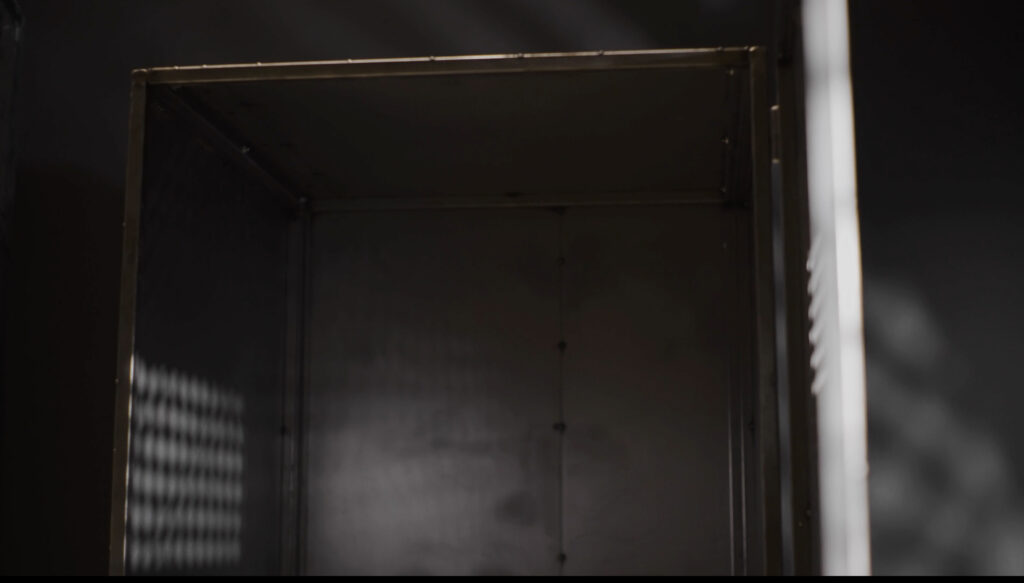
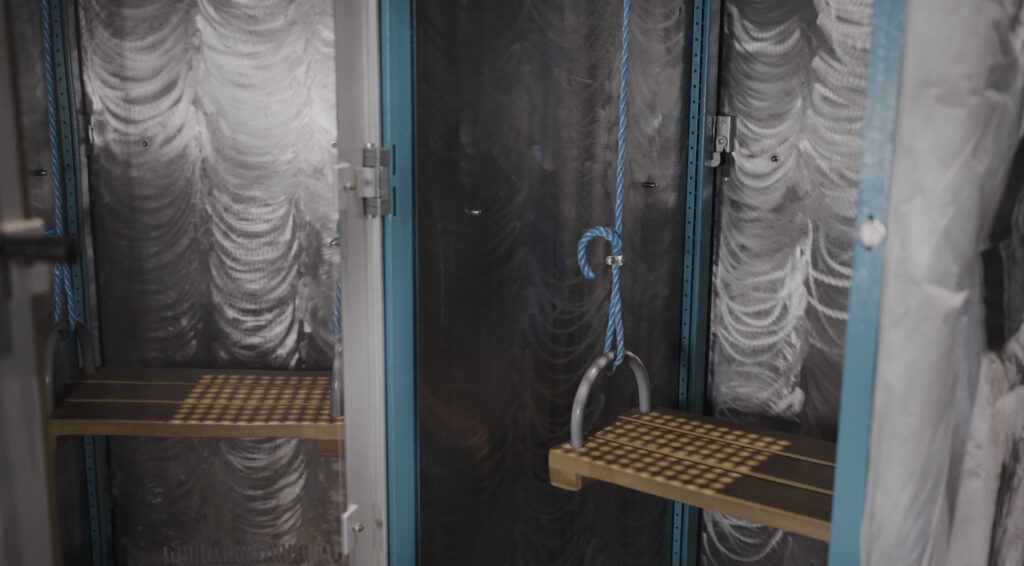
The installation consists of Shell of Mucus, a collection of four costume pieces (Cap of Insight; Mouthpiece of Flux, Mantle of Quietude and Gauntlet of Chance) and a 3:58 minute colour digital film titled Secretion.
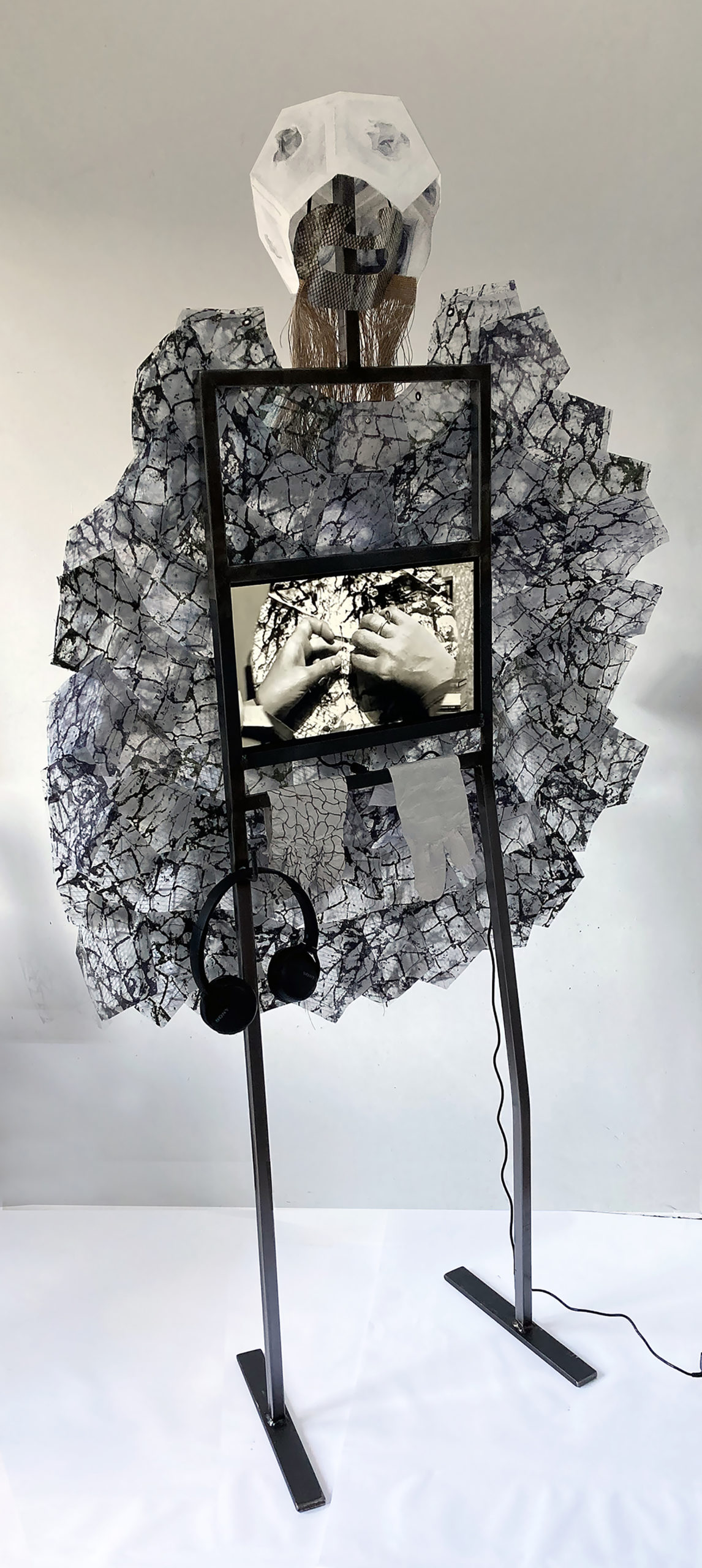
The hand sewn costume pieces are wearables and comprise screen and transfer printed textile and metal including touch/heat sensitive components, aluminium mesh, acetate and etchings on paper.
Inspired by the self-healing capability of snails, the installation suggests an activated experience in which I present an invitation to participate – either physically or imaginatively.
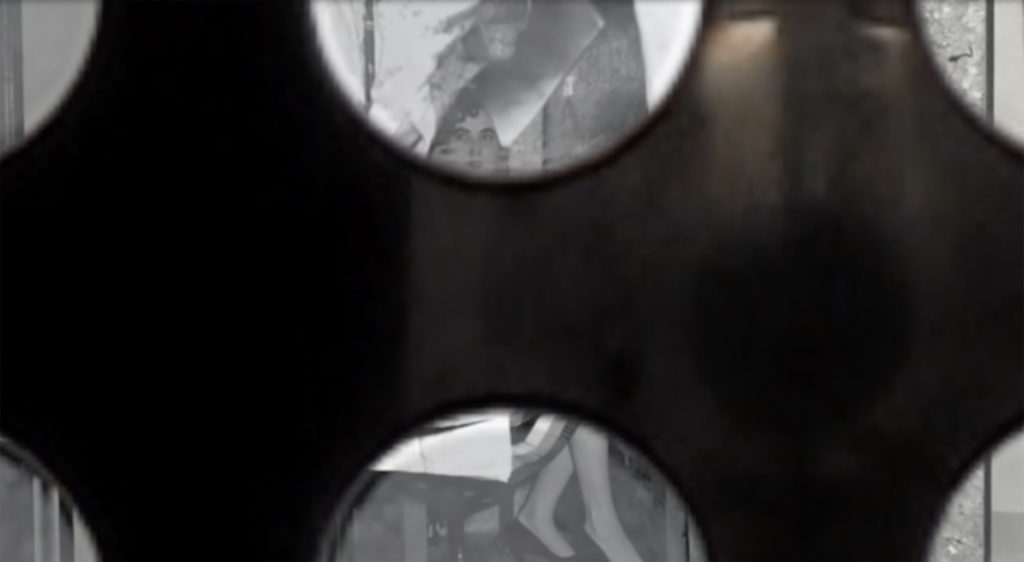
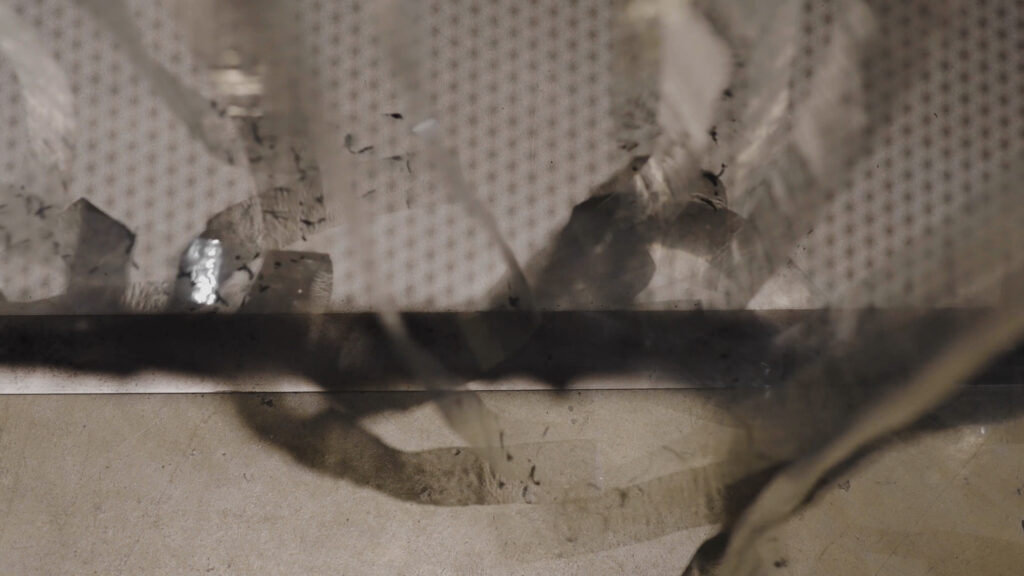
Shot on location at VISUAL, Carlow as part of Woman in the Machine 2021
Installation by Niamh McGuinne, filmed and edited by Cathy Dunne, camera assist by Fatima Hawala.
Please contact me to request links to videos at nmcguinne@gmail.com
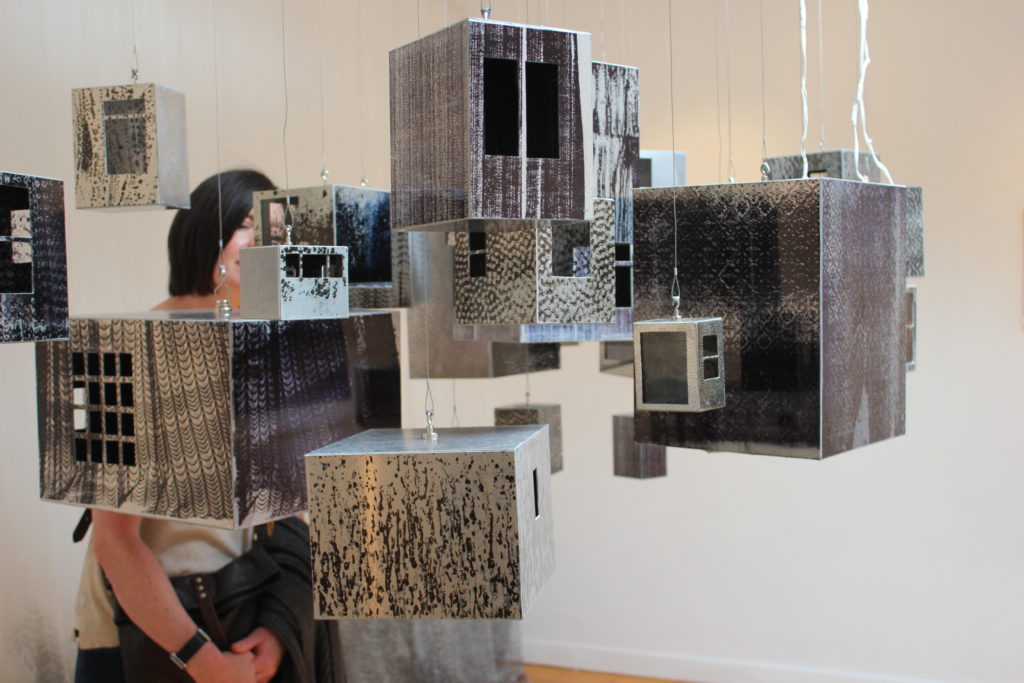
Surreal Estate installation
Graphic Studio Gallery: May 2013
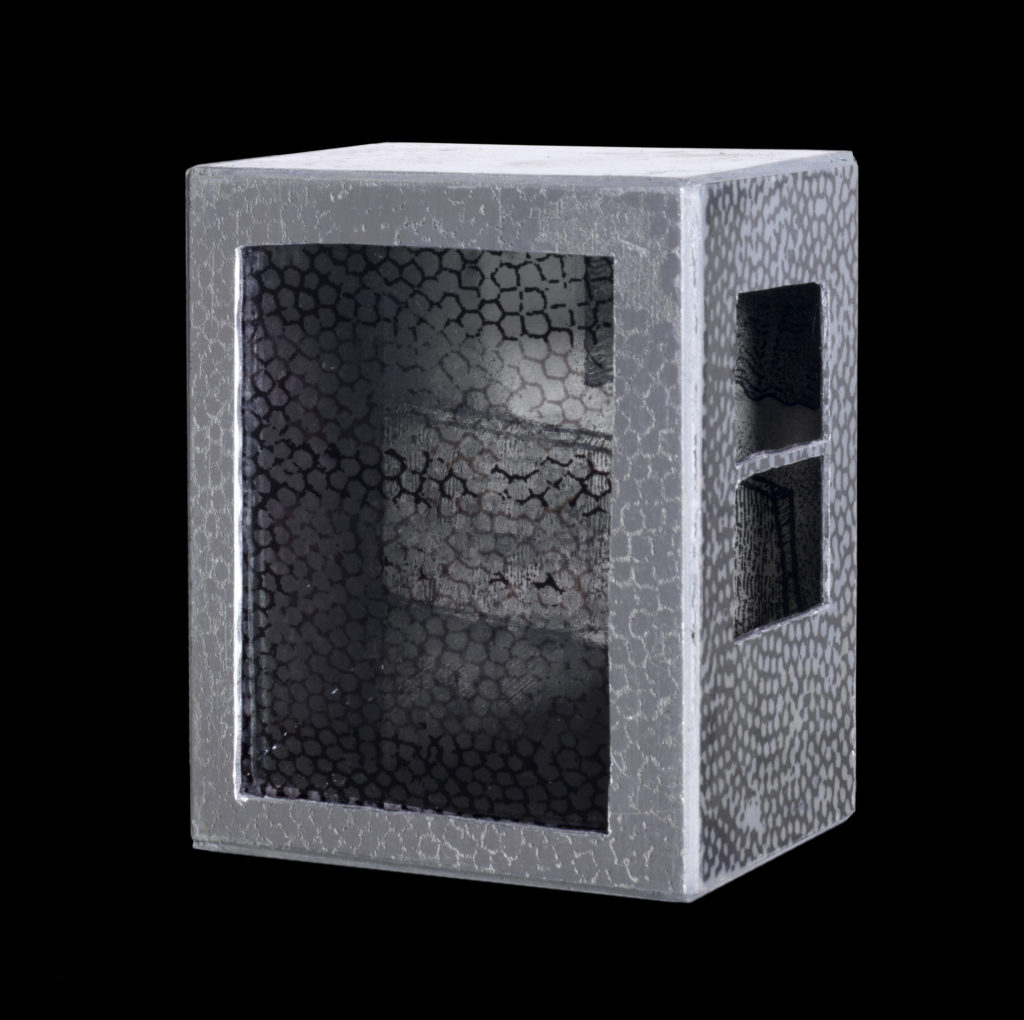
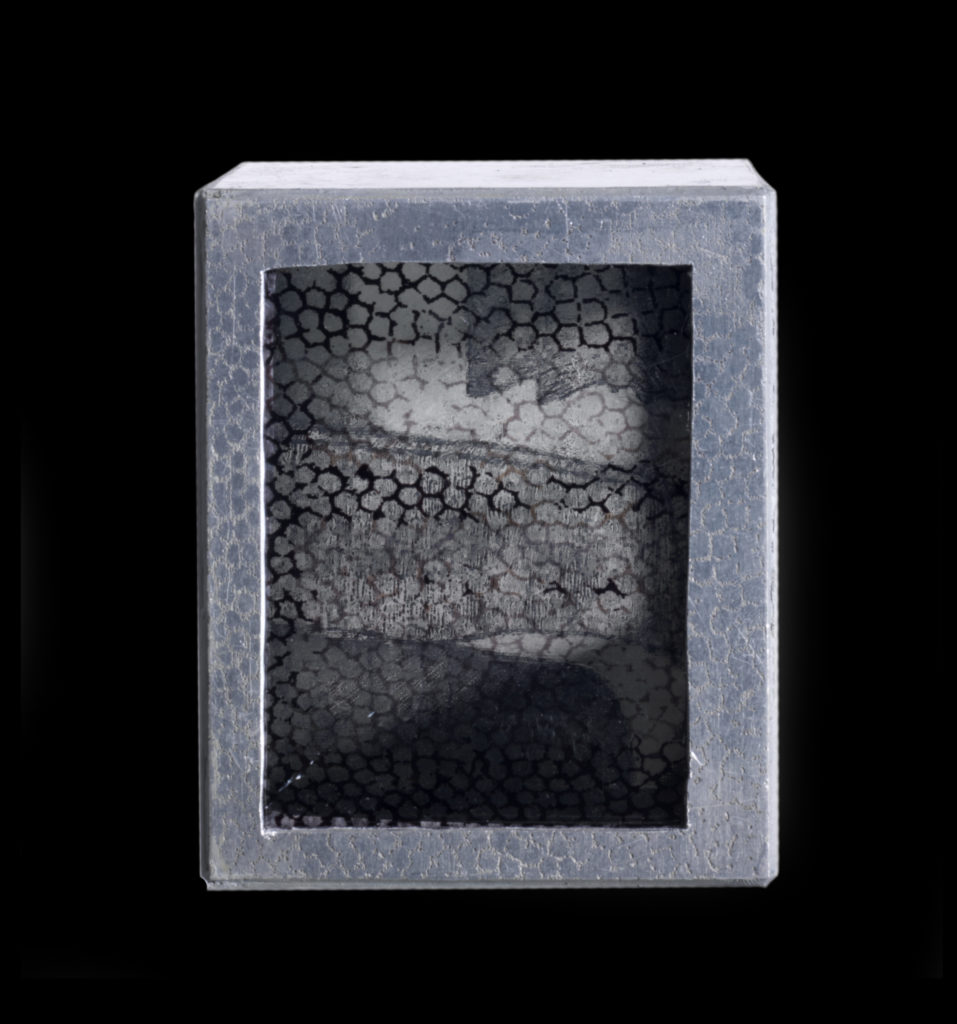
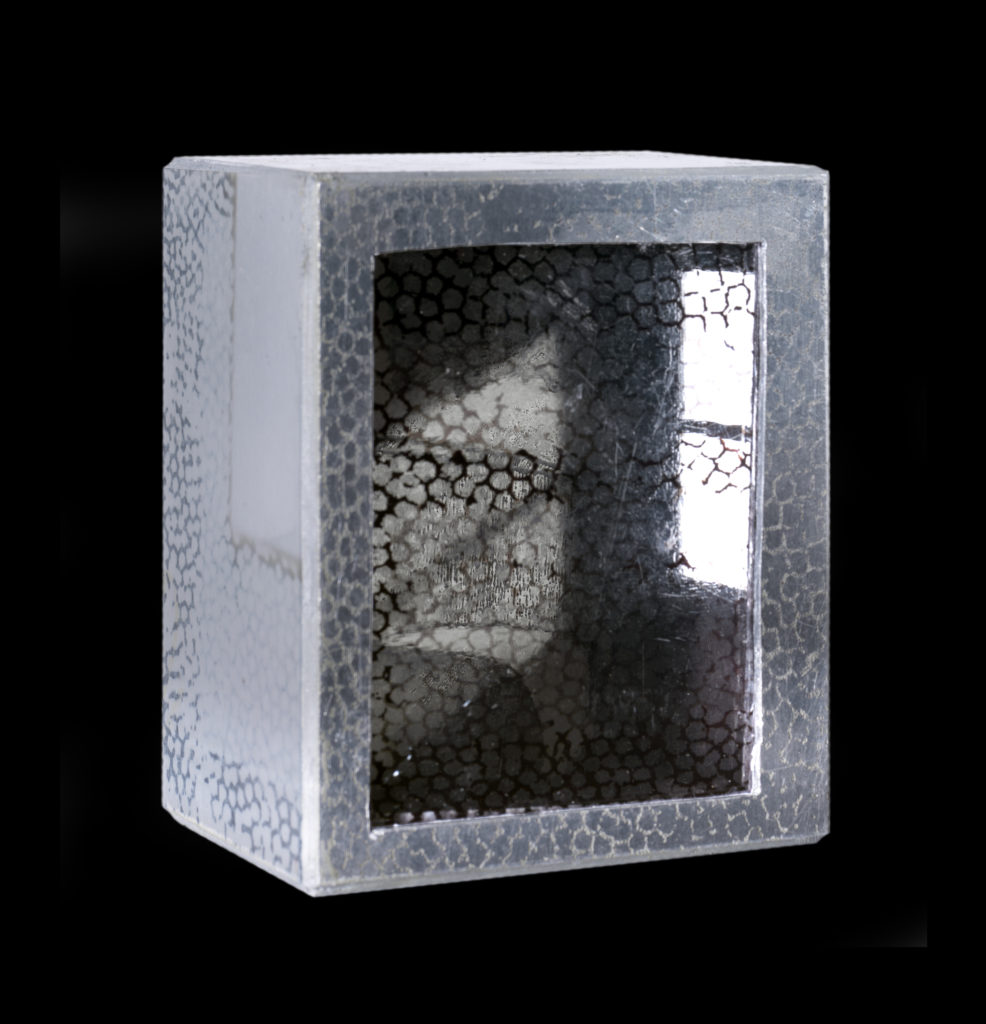
Thermal transfer screen print on constructed aluminium boxes containing interiors with etchings/screen prints/monoprints.
11 Digital Archival pigment prints
3 minute animated film.
Surreal Estate
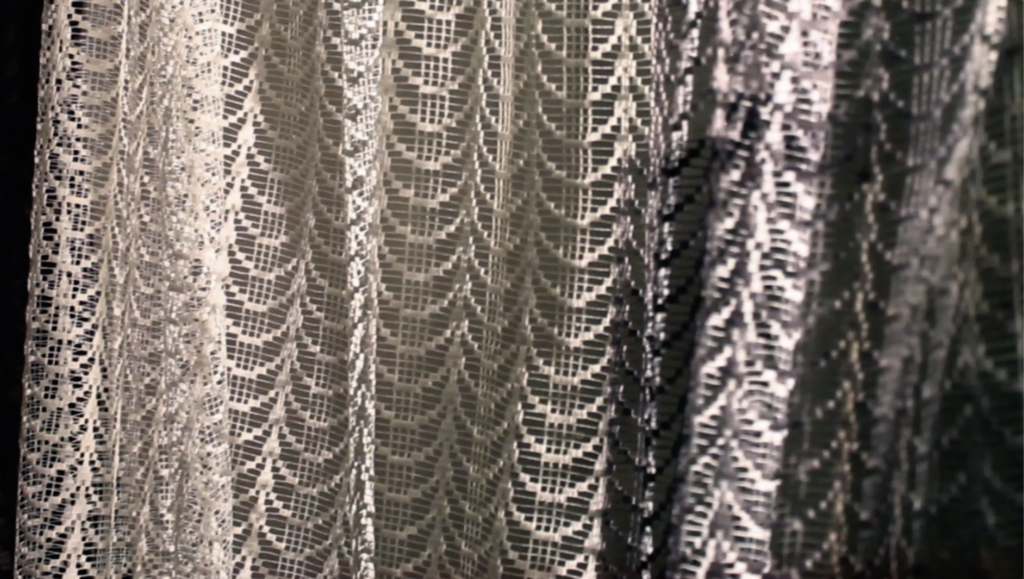
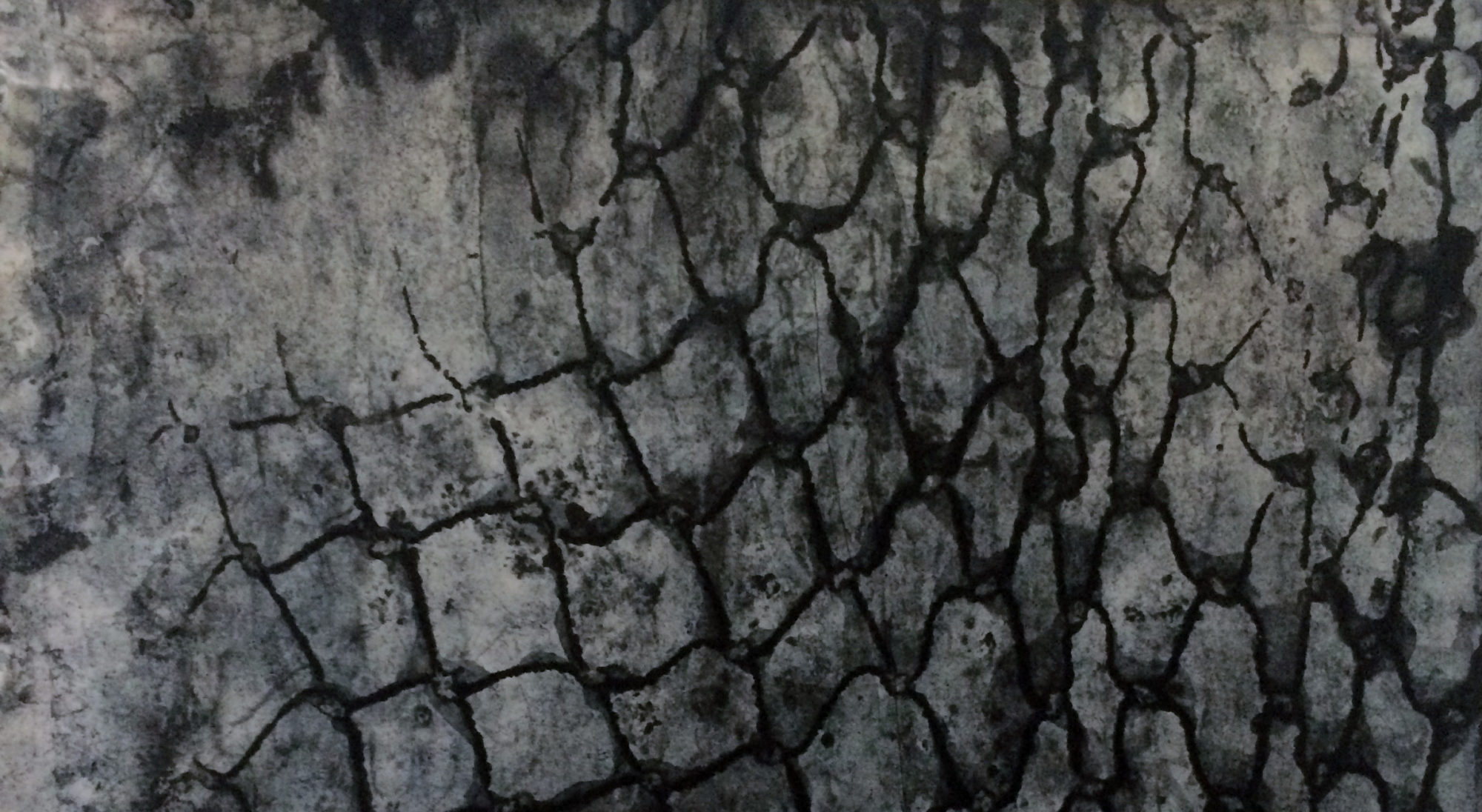
Surreal Estate has grown out of my interest in shadows, reflections and windows. Working in a beautiful old studio surrounded by a variety of old and disused windows, obsolete vitrines and historic picture glass, I was particularly drawn to how the inherent distortions formed in glass during manufacture and the subsequent creep of ageing can influence how and what we see. Such idiosyncratic textures together with additional visual patterns of rain, dust and oil provide a unique impression; a distorted reality. This in turn led me to look closer at patterned and decorative glass, nets, curtains and blinds, all of which control or alter what we allow of our private life to be seen and how we view our surroundings. The installation comprises three elements Surrealight, 35 print and sculptural constructions, Surrealshadow, a set of digital prints and Shadowlight, a 3min animated film.
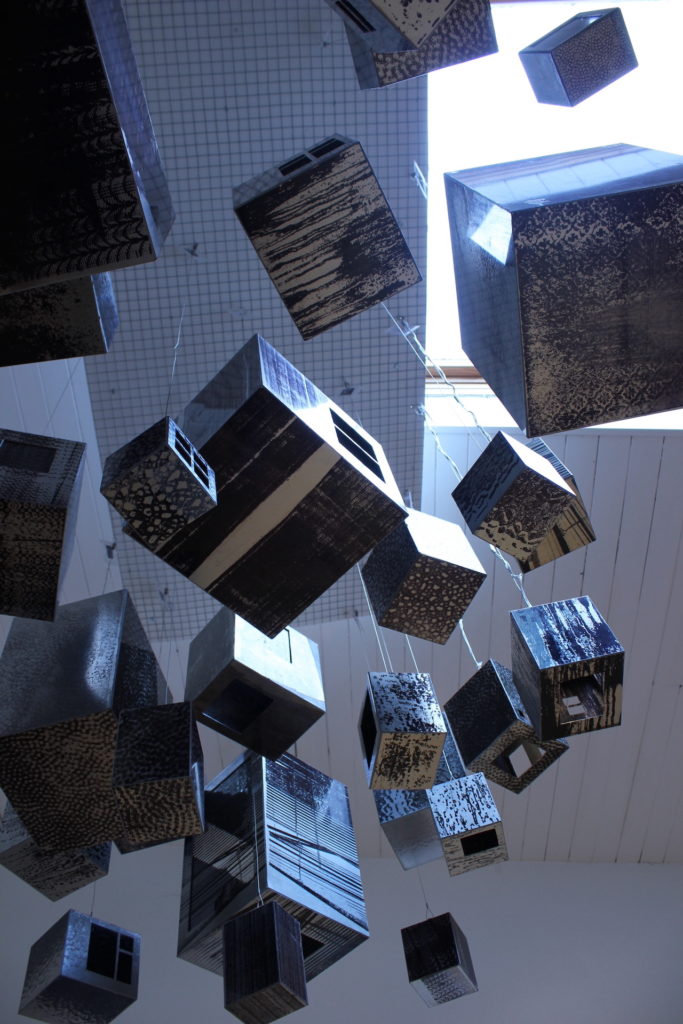
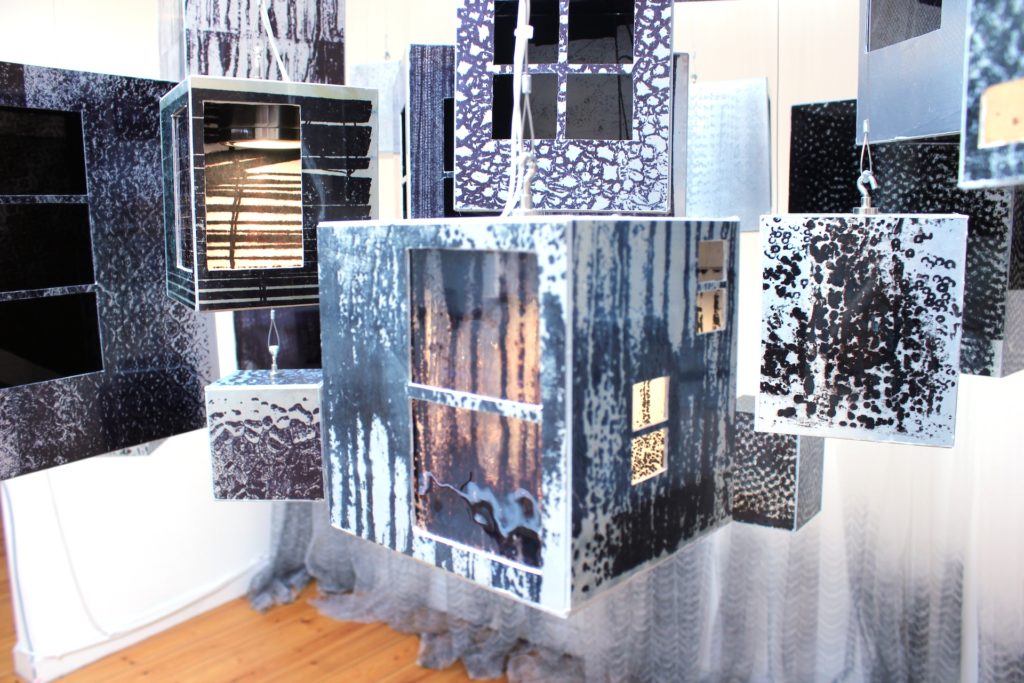
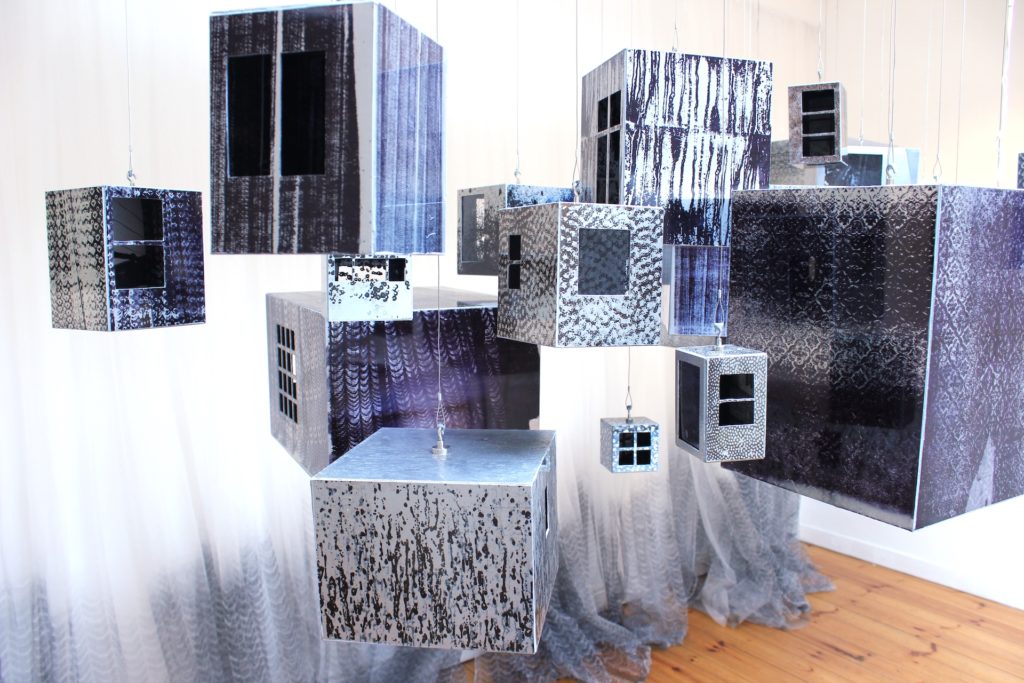
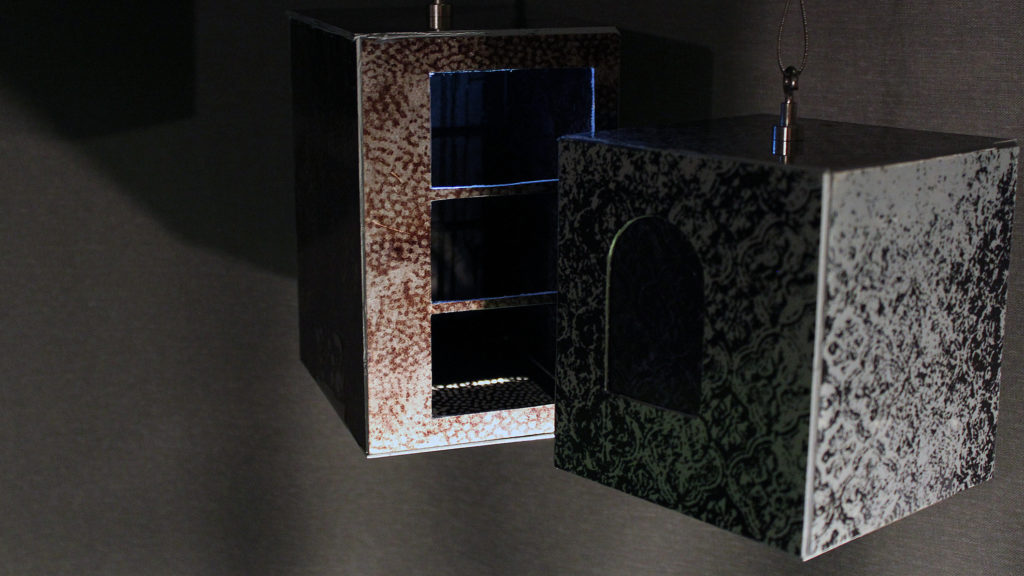
Surrealight represents an uninhabited urban area akin to the many historic, deserted Irish villages and current ghost estates albeit with an independent imaginary life of its own; one that we are not invited to share. Nevertheless, we are pulled in by our curiosity and by the desire to make sense of what we can see. A dirty window obscured by torn curtains suggests neglect or eccentricity but this is entirely presumed. We do not know what is behind the glass; whether or not there is an occupant. We live with so much around us that we consider important yet often an abandoned room will contain vestiges of their inhabitants who have since moved on. This becomes part of the history or life of the rooms. A new occupant may change it all but time will ensure that the cycle of dereliction and regeneration continues. These questions have morphed into a fascination with how perception can be distorted. How do we perceive these spaces – do they remind us of our past or do they make us think about where we are and of our own place in time?
Surrealshadow
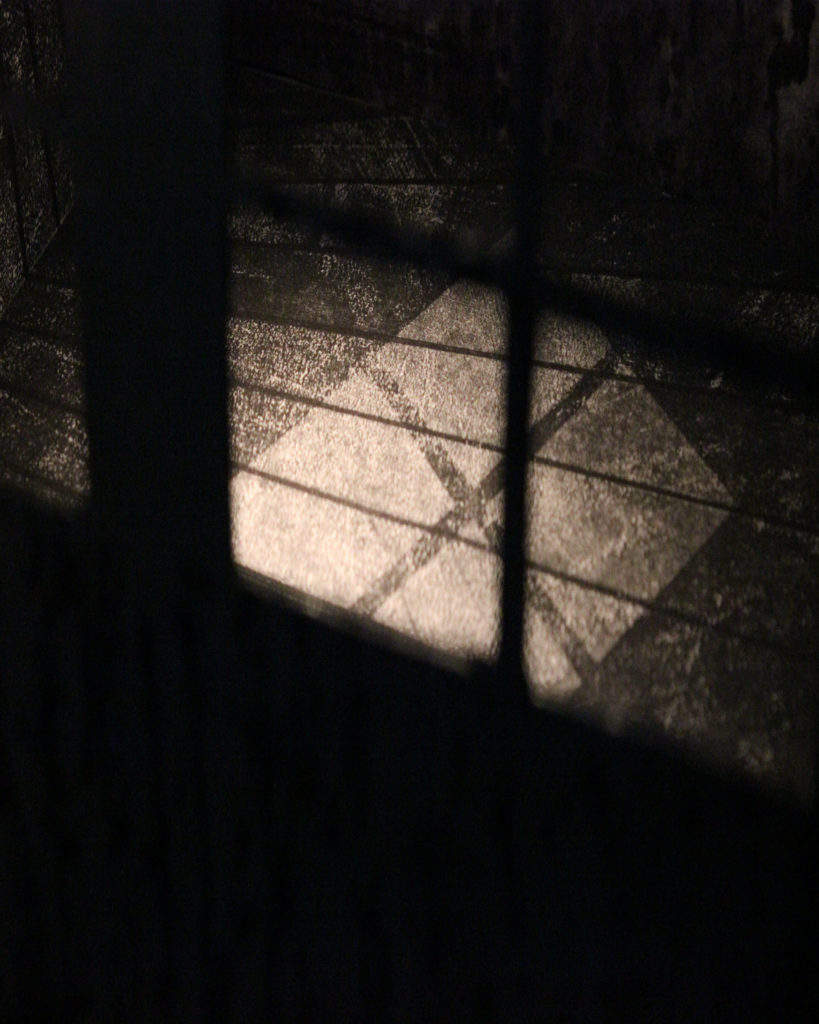
The digital prints which make up Surrealshadow represent views of the fabricated interiors and exteriors of Surrealight. The patterns of curtains and glass, the interplay of light and shadow and the image of windows all are shown in stasis and as such appear stage-like and inanimate in comparison. It interests me how differently these spaces are perceived and how our emotional response is altered.
Shadowlight
In Shadowlight themes of watching and being watched are presented to the spectator through a non-narrative sequence which hints at the private ethereal existence of spaces independent of us. How does the feeling or knowledge of being watched distort how we behave? Light and shadow play, pattern and effects on glass create an additional visual plane for the viewer sometimes at harmony with the images in the shots and at other times in conflict. The intent is to blur the lines between apparent reality and created fantasy, to look further into what appears straightforward at first glance.